
Deadline: 24-Jun-2019 at 11:59:59 PM (Eastern Time – Washington D.C.)
The proposed Laikipia Integrated Feedlot Scheme (LIFS)initiative seeks to improve the 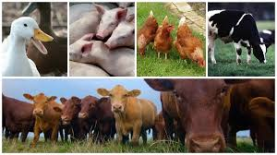 quantity and quality of livestock commodities produced in the county by the key value chain actors. More specifically, the LIFS project focuses on improved productivity across the red meat value chain from livestock production to slaughter, processing and access to markets.
The existing value chain in the county is however fragmented and characterized by limited coordination between the value chain activities and players, and disease control thus unable to compete directly in the international market with producers like Australia. For the Scheme to be bankable, preliminary findings inform of the need to focus on a differentiated product and targeting of high-value local and international markets. This assignment, therefore, seeks to engage an experienced consultant firm to develop a brand design and marketing strategy for export promotion of the products that will be produced in the LIFS value chain.
 Improvement Project (DPTIP) by i) assessing and improving institutional regulatory framework and client capacity to increase private sector participation in the public transportation sector in Dhaka; and ii) assessing and recommending specific PPP options and business-financial models for the operation of the feeders associated with the BRT line from Gazipur to Mohakhali, for the associated BRT infrastructure and for the operations of the city-wide bus service. The extent of PPP potential must be well assessed and structured based on client capacity, similar experiences in Bangladesh, the relative appetite of banks and investors in Bangladesh to invest in the transport sector (including through the exploration of financing options such as leasing), and the cost/access to finance for private operators and investors.
 Business and Financial Models by engaging with a select number of entrepreneurs, financial institutions, end-users (farmers), other stakeholders, to co-create innovative business and financial models, to help unlock the growth of the off-grid PV market in Egypt in the agriculture sector. 2) Build Capacity of Select Banks Interested in PV , by working with banks which would have stated interest in engaging directly with the market/farmers on a pilot basis. 3) Strengthening the Entrepreneurship Ecosystem Providing by providing support to 6 8 advanced PV entrepreneurs (existing solar / PV firms) with the objective of designing a program that is relevant to the needs of entrepreneurs at this level. 4) Exploring Opportunities with Early Stage Investors to support or develop early stage finance mechanism(s) to deploy capital targeting firms innovating in the off-grid PV market.
  productive environments to attract investments, increase economic efficiency, and create livable environments that prevent urban costs from rising with increased population densification. What are the central obstacles that prevent African cities and towns from becoming sustainable engines of economic growth and prosperity? Among the most critical factors that limit the growth and livability of urban areas are land markets, investments in public infrastructure and assets, and the institutions to enable both. To unleash the potential of African cities and towns for delivering services and employment in a livable and environmentally friendly environment, a sequenced approach is needed to reform institutions and policies and to target infrastructure investments. This book lays out three foundations that need fixing to guide cities and towns throughout Sub-Saharan Africa on their way to productivity and livability.
 torrents of heavy rain and flooding major rivers. Records from a young monk who witnessed the floods describe a muddy wave destroying levees and sweeping through villages. As levees and rivers collapsed, floodwaters rose in Edo, Japan’s largest c
 Rapid Transit (BRT) project in the “Foz do Rio Itajai” metropolitan area in the State of Santa Catarina, Brazil. The project consists in the implementation of a greenfield BRT system with a network of five BRT corridors and six priority bus lanes, which is expected to support a ridership of 525,000 passenger trips per day by 2030. The objective of this study is to: (i) review and validate existing pre-feasibility engineering studies, (ii) further develop the preliminary project design, (iii) estimate capital and operational costs; and (iv) provide technical recommendations for the subsequent phase.


 (GIF), is selecting a legal firm (Consultant) to conduct a summary report and assessment on the regulatory and legal frameworks of Costa Rica, which may be relevant to a potential PPP for a greenfield Tramway project.
 Netherlands for the World Bank
You must be logged in to post a comment.