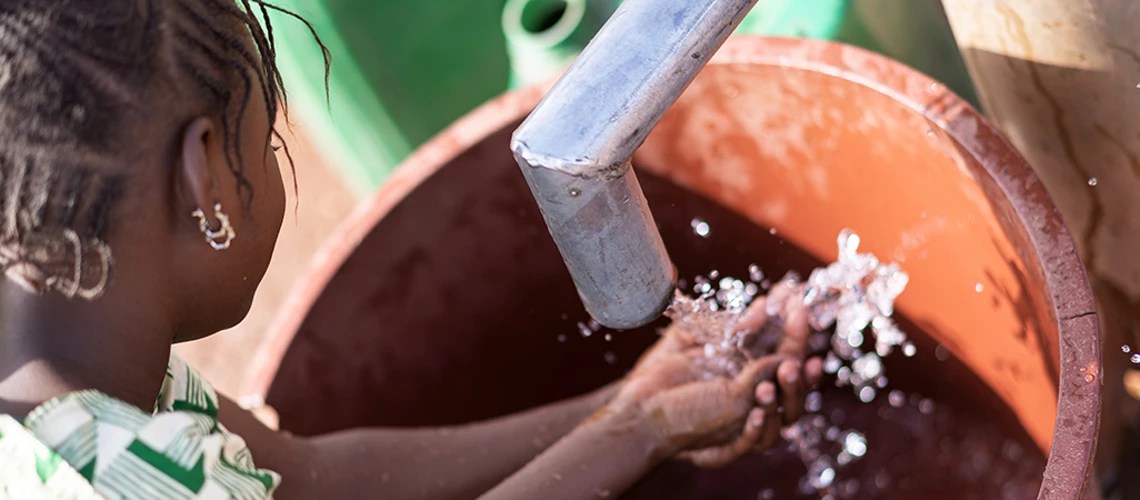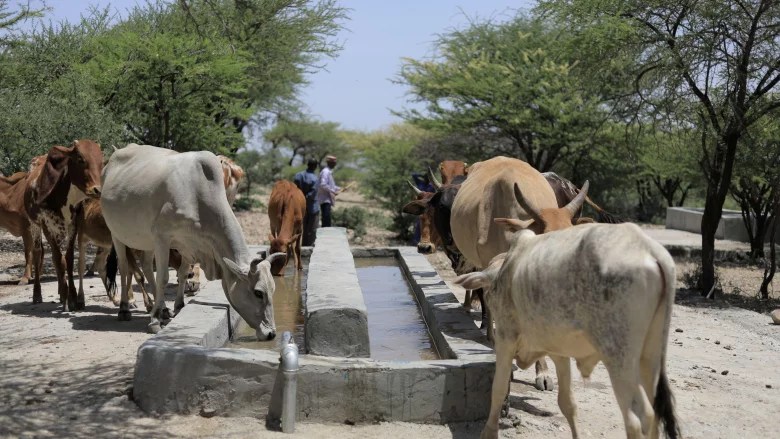
Turning Water Access into Jobs and Livelihoods: Lessons from Barwaaqo in Somalia

STORY HIGHLIGHTS

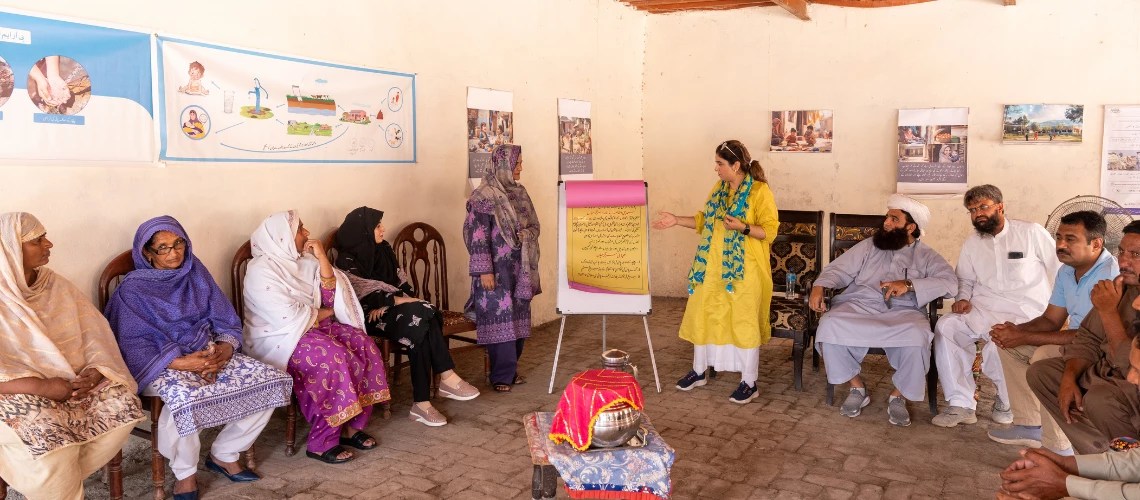
  • Barwaaqo is improving access to water and livelihoods for more than 600,000 people across Somalia through community led solutions.
  • Multi use water points support farming, livestock, and small local services, helping households turn water access into income.
  • Inclusion and local service delivery is being strengthened; women make up 31%of trained Community Animal Health Workers.
Continue reading

From pipes to people: How Indian cities reimagine modern water and sanitation

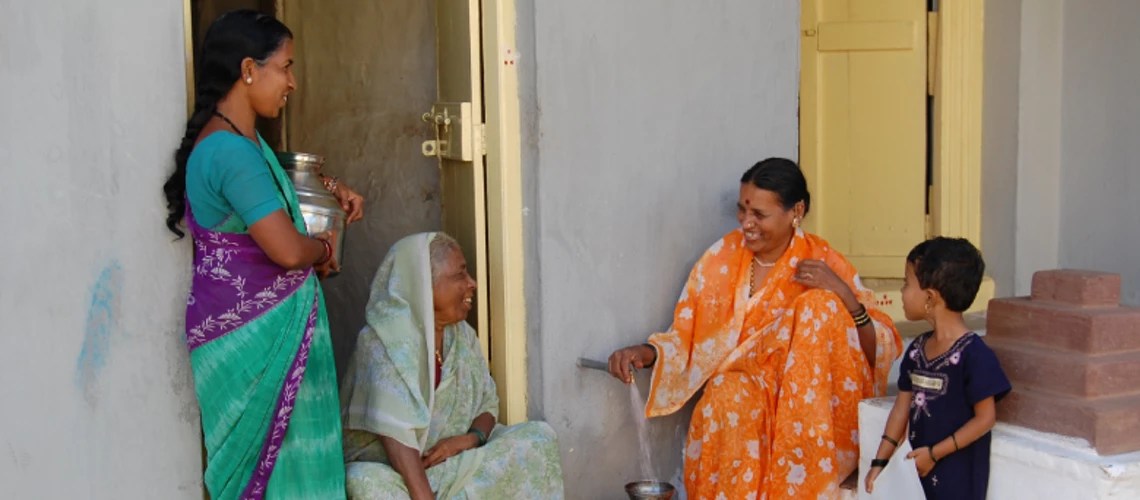
Reliable water and sanitation services are central to India’s ambition for Viksit Bharat 2047 and its vision for modern, livable cities. In recent years, government programs and city-level reforms have driven remarkable improvements—expanding networks, upgrading treatment capacity, and demonstrating that high-quality, customer-oriented services are achievable. Several cities now provide continuous water supply, have dramatically reduced losses, or have achieved impressive levels of wastewater reuse and solid-waste processing.

Continue reading

Unlocking Development through the Power of Co-financing

WASHINGTON, Feb. 11, 2026 — On February 11, the World Bank Group, together with the Moroccan Ministry of Economy and Finance and AFD Group, will convene a high-level forum — The Power of Co-Financing — to strengthen collaboration on co-financing among development partners and countries.

Continue reading

The hidden cost of water in Europe and Central Asia

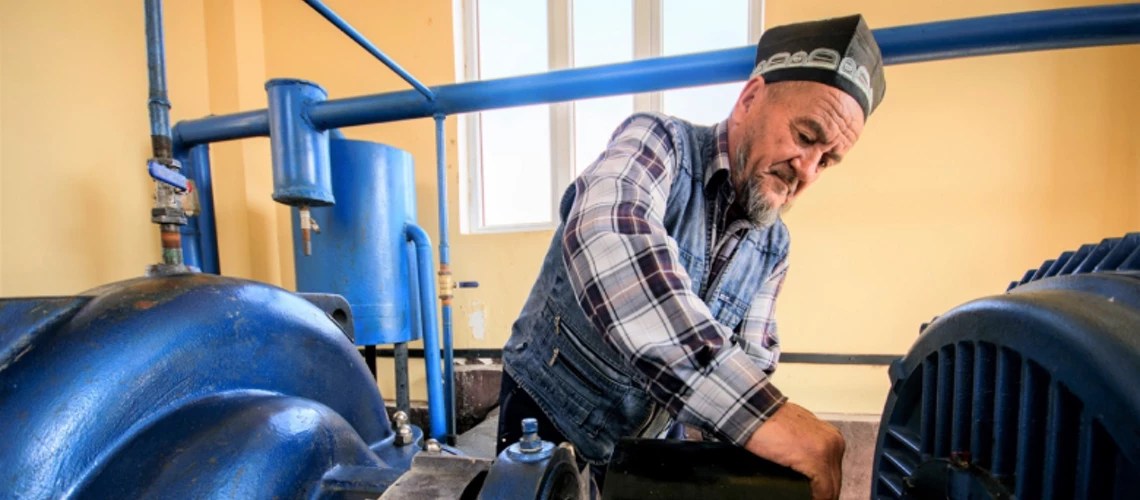
Delivering water safely uses a surprising amount of energy. In the emerging markets and developing economies of Europe and Central Asia, the energy footprint of delivering water services is particularly high. The average country spends about 10% of its energy bills on water use—more than five times the share spent in advanced economies. In fact, total water-related energy use in the region annually is roughly equal to the total energy consumption of Greece. 

Continue reading

Rethinking water security in a water-insecure world

“Every time disaster strikes, you rush to bring relief. Why don’t you do more to prevent it?”

The words came from a teenage girl standing amid the devastation of the Odisha Super Cyclone in Eastern India in 1999. At the time, I was a member of the Indian Administrative Service, coordinating relief efforts 48 hours after the storm. Her question cut through the chaos and would shape my life’s work. Relief was necessary, but the real solution lies in building strong, adaptive water systems.

Continue reading

Securing water in an uncertain world: The power of multi-stakeholder action

The most pressing global risks over the next decade are environmental—and all closely linked to water. Extreme weather, biodiversity loss, critical changes to Earth’s systems, and natural resource shortages top the list of concerns, according to the World Economic Forum Global Risk Report 2025. These risks underscore the need for long-term strategies to safeguard ecosystems, secure resources, and build resilience.

Yet, these risks do not exist in isolation. Misinformation and disinformation rank among the most pressing short-term risks, eroding trust in governance and complicating efforts to address shared crises. Water management is no exception—securing water is not just about scarcity, pollution, or infrastructure, but about governance and cooperation. The challenge lies not only in ensuring water access but in aligning efforts across users, providers, and regulators, to manage it effectively.

Continue reading

IFI Water Sector Fact Finding Mission

With pleasure we would like to tell you more about our upcoming mission: The Internationalwater_hero Financial Institutions (IFI) Water technology fact-finding mission to Washington D.C. 22-25 January 2024. This event is co-organized with the other private sector liaison officers of Austria, Germany, Spain, Canada, Switzerland and England.

Continue reading

Unlocking Blue Carbon Development

“Blue carbon” is the carbon stored in coastal and marine ecosystems. These ecosystems include everything from mangroves to seagrass beds and salt marshes. The World Bank’s first-of-its-kind blue carbon readiness framework empowers governments to tap into their full blue carbon potential to benefit people and the planet.

This tool helps governments invest in blue carbon to deliver real and scalable impact for their communities and economies and help meet their commitments under the Paris Agreement.