
With pleasure we would like to tell you more about our upcoming mission: The International Financial Institutions (IFI) Water technology fact-finding mission to Washington D.C. 22-25 January 2024. This event is co-organized with the other private sector liaison officers of Austria, Germany, Spain, Canada, Switzerland and England.
Tag Archives: water
Unlocking Blue Carbon Development
“Blue carbon” is the carbon stored in coastal and marine ecosystems. These ecosystems include everything from mangroves to seagrass beds and salt marshes. The World Bank’s first-of-its-kind blue carbon readiness framework empowers governments to tap into their full blue carbon potential to benefit people and the planet.
This tool helps governments invest in blue carbon to deliver real and scalable impact for their communities and economies and help meet their commitments under the Paris Agreement.
Why GWSP is the partner of choice to deliver on the global water challenge
GWSP’s work is critical for delivering on the water-related Sustainable Development Goals and the Paris climate commitments.
The World Bank is transforming to become better, faster, and bigger to deliver development impact more effectively for people and the planet. Water is central to human development, economic growth, and the health of our planet. But climate change is making this critical resource more scarce, more erratic, and more polluted.
In Southern Angola, a Race to Manage Scarce Water While Promoting Economic Growth
Beer is 95% water (the rest is alcohol and gas). In Lubango, a city on a high plateau in Southern Angola, the makers of N’Gola beer depend heavily on a water source of exceptional quality. Rainwater seeps into the vertical crevasses of Tundavala, breathtaking rock formations 2,200 meters above sea level. It collects in the rock then rushes downhill to Lubango, producing at times 200 cubic meters of water per hour. The source is so special it is mentioned on the N’Gola beer label and stylized as a golden waterfall with a crown.
Infrastructure That Helps Half a Million People Access Clean, Piped Water in Maputo, Mozambique
Sowing the seeds of change to solve the water crisis
Image
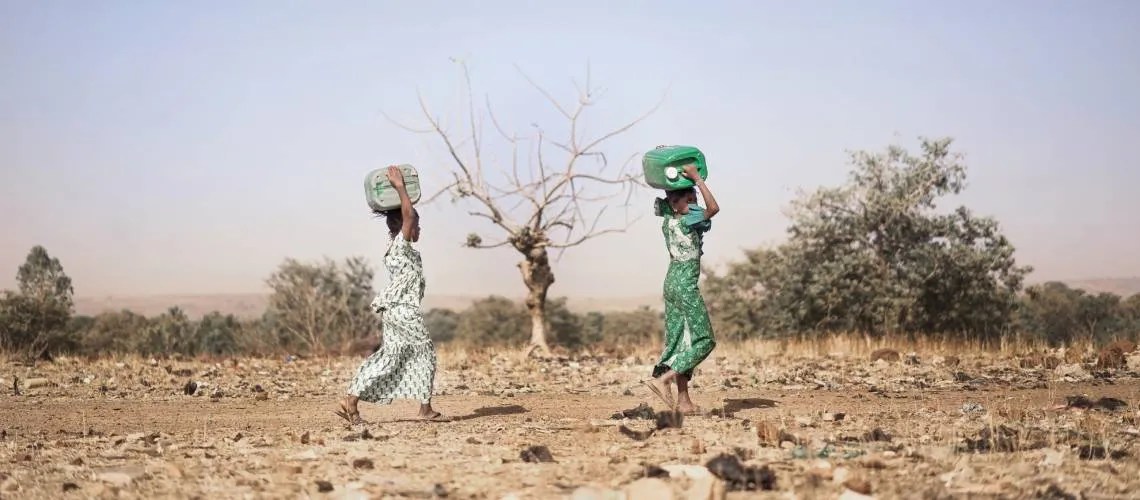
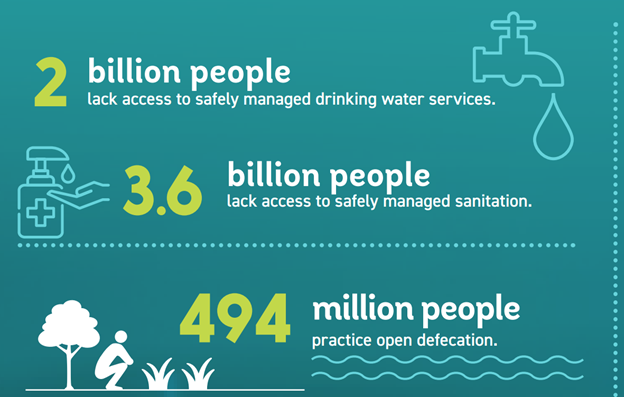
Solving the water crisis is central to our future on a livable planet. Whether it is too much, too little, or too polluted water, this triple threat, exacerbated by climate change, denies billions of people reliable access to safe water and sanitation. It threatens economies, fuels migration, and can ignite conflict. We need global action to establish water security for green, resilient, and inclusive growth, and to tackle the water-climate-conflict nexus.
Continue readingWater knows no borders: Transboundary cooperation is key to water security and avoiding conflict
As pressure mounts on the world’s freshwater resources, closer international cooperation is  needed to manage the world’s shared rivers, aquifers, and lakes. For decades, the World Bank Group has supported programs to foster cooperation over water as part of ensuring water security for all in support of sustainable development and job creation.
The Hidden Wealth of Nations: Groundwater’s Critical Role in a Changing Climate
STORY HIGHLIGHTS 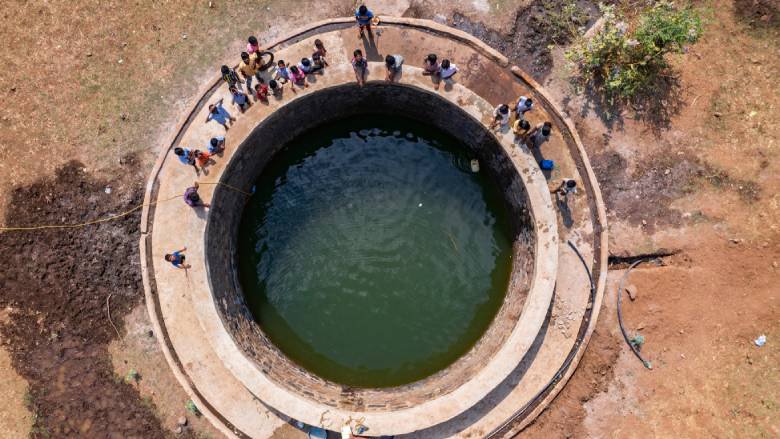
- As “nature’s insurance,” groundwater protects food security, reduces poverty, and boosts resilient economic growth, but the resource is threatened by overexploitation and pollution.
- High-level political action is needed to prioritize groundwater and align the private and social costs of its use.
- A new World Bank report considers the economic value of groundwater, the costs of misusing it, and the opportunities to leverage it more effectively.
Global Water Security & Sanitation Partnership: Five Years of Advancing a Water-Secure World for All
STORY HIGHLIGHTS 
- Over the past five years, climate considerations have become embedded in GWSP support, leading to a rising number of projects with climate co-benefits.
- The World Bank Water Global Practice’s work in fragile, conflict and violence-affected areas has grown significantly, and Global Water Security and Sanitation Partnership now supports active engagement in 33 countries.
- There is more social inclusion in the water sector. The average share of female engineers in 23 participating utilities in Ethiopia increased from 8 percent to 12 percent in just two years. Continue reading
Water Supply & Sanitation


You must be logged in to post a comment.