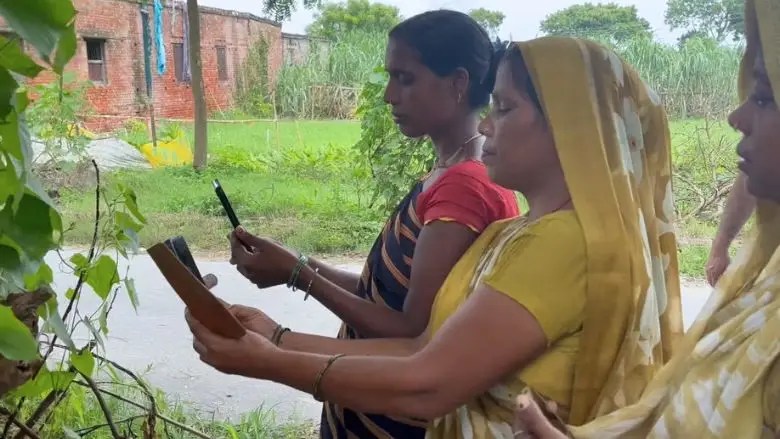
Small AI Transforms Farming in India

Story Highlights

  • In India, small AI is making farming advice faster, simpler, and more accessible for smallholder farmers using basic smartphones.
  • Farmers can now get practical guidance in local languages on crops, pests, weather, markets, and government support.
  • With World Bank Group support, digital agriculture tools are helping improve farm productivity, strengthen resilience, and create new job opportunities.
Continue reading →

One year into AgriConnect: what we’re learning in Africa

Africa has long been regarded as the world’s next breadbasket. It has abundant arable land, fast growing demand, and a vibrant business environment that could provide jobs for millions of young people entering the labor market each year.

Yet, Africa’s agricultural potential is still largely untapped. The continent imports large amounts of food while critical gaps, from energy and irrigation to finance and digital services, hamper productivity and investment. Closing this gap will require $180 billion in investment – and coordinated action across infrastructure, policies and private capital.

Continue reading →

Senegal Launches AgriConnect Compact to Transform its Agriculture Sector

DAKAR, February 10, 2026 – The Government of Senegal, in partnership with the World Bank Group, today announced the launch of the AgriConnect Senegal Compact. This strategic initiative aims to transform the country’s agri-food systems and improve food security for millions of Senegalese.

Continue reading →

Unlocking Development through the Power of Co-financing

WASHINGTON, Feb. 11, 2026 — On February 11, the World Bank Group, together with the Moroccan Ministry of Economy and Finance and AFD Group, will convene a high-level forum — The Power of Co-Financing — to strengthen collaboration on co-financing among development partners and countries.

Continue reading →

Why bridging Africa’s skills gap is crucial for growth

Sub-Saharan Africa’s economic promise is clear. It has the world’s youngest and fastest-growing population; by 2050 a quarter of the world’s working-age population will be living in Africa, with vast natural resources, and expanding regional markets. Yet these strengths are undermined by a persistent weakness: the region’s skills gap. 

Continue reading →