Deadline: 20-Feb-2020 at 11:59:59 PM (Eastern Time – Washington D.C.)
The Government of Mauritania (GoM) has laid out a new vision for the country’s  development, under its Accelerated Growth and Prosperity Sharing Strategy (SCAPP, the acronym in French). SCAPP’s Vision for the Future, “The Mauritania We Want in 2030,” aims for strong, inclusive and sustainable growth to meet the basic needs of citizens and ensure their well-being. In the energy sector, the Government aims to ensure universal access to quality services at the lowest cost and to provide economic actors with reliable and secure electricity, through: (a) Development of new production capacities from local resources, mainly natural gas; (b) Expansion of the transport network and interconnection with neighboring countries; (c) Increasing the share of renewable energy in the energy mix and (d) Implementing decentralized solutions in remote rural areas. The strategy seeks to increase access rate to 95% in urban areas and 40% in rural areas, in order to reach an overall electrification rate of 70% at the national level by 2030.
The proposed National Electrification Analysis would provide analysis and insight on various electricity access options for Mauritania, specifically through: (a) data collection and analysis; (b) assessment of service quality levels; (c) identification of potential least-cost technology options for electrification; and (d) identification of potential options and arrangements for scaling up electrification in Mauritania in line with national access targets.
Continue reading →


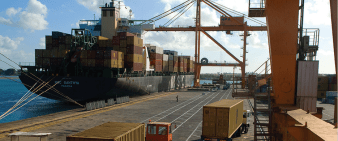 Areas Management Program (WACA) to bridge the gap between innovators and port developers/owners to build sustainable and integrated coastal management. The call is part of the WACA Resilience Investment Project (WACA ResIP), a multi-country regional project that aims to support present assets and strengthen the resilience of coastal communities for Benin, Côte d’Ivoire, Mauritania, São Tomé and Príncipe, Senegal, and Togo. The project supported them develop multi-sectoral investment planning processes, culminating in WACA Multi Sector Investment Plans (MSIPs).
 support the pilot implementation phase of the TechEmerge Health East Africa program.
 TURP flood risk assessment for Mwanza city. This will be done by providing design and management of mapping campaigns in Mwanza from May October 2020 with a focus on three core mapping campaigns: i) Digitization services for 2020 building exposure updates; ii) Drainage infrastructure and river mapping; iii) Participatory Mapping of Unplanned Communities; iv) Household flood and rockfall historical incidents mapping.
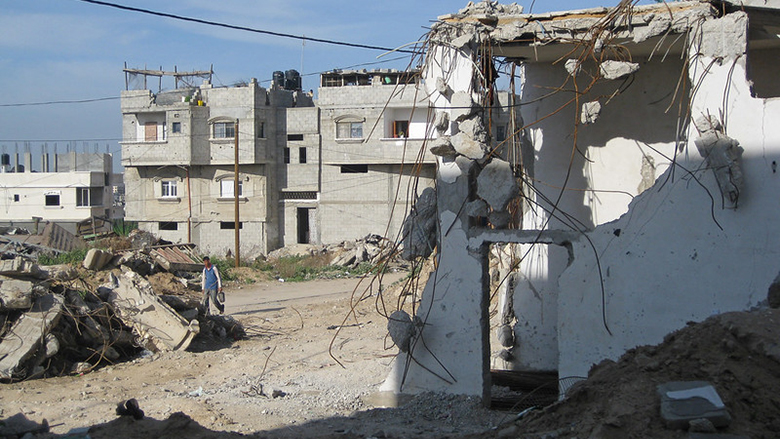 be living in FCS, making it evident that without intensified action, the global poverty goals will not be met.
 security situation
  Facilitation Committees (NTFCs) in 15 West African countries, design training materials, and roll out the training. The assignment is in two phases. The winner of the phase 1 contract will be awarded the phase 2 upon successful completion of the phase 1.
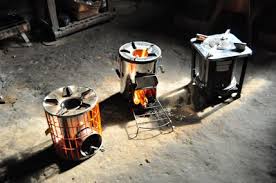 cookstove use in Zambia. The findings will feed into the development of the project component. The service contract will include a Stove User Testing and a Market Analysis to ensure that the cookstove change promoted as part of the World Bank project offers a true value proposition to potential consumers and assess how it best fits within the Zambian market. To assess cookstove efficiency, particulate matter (PM) emissions, carbon monoxide (CO) emissions, durability, and safety, cookstoves are tested and certified in labs using a set of standardized ISO protocols. However, such lab tests have no bearing on the actual efficiency of the stove when used in the household achieved by users cooking with them. In addition, it yields no results on potential fuel and cash savings or stove acceptance.
 forum for leaders to assess the challenges and opportunities for African countries.
  Netherlands for the World Bank
You must be logged in to post a comment.