
Deadline: 31-Oct-2017 at 11:59:59 PM (Eastern Time – Washington D.C.)
Objective: To this end, IFC will recruit a marketing/communications firm to design and implement a campaign to educate consumers about the opportunities that quality-verified off-grid solar products present, and assist them in making informed purchasing decisions. The main objective of the campaign is to increase sales of high-quality solar products, to support creation of a sustainable commercial market for these products in Myanmar. The campaign should reach rural consumers primarily, as well as urban consumers at the township level and other stakeholders such as urban-migrated family members of villagers, through a broad range of marketing and public awareness activities tailored to address the specific needs of low income households. The campaign will include multiple delivery channels, drawing on the experience from other Lighting programs and adapting them to the Myanmar market.

 access to safely managed water and sanitation services by 2030 will require countries to spend $150 billion per year. A fourfold increase in water supply, sanitation, and hygiene (WASH) investments compared to what is spent today, this is out of reach for many countries, threatening progress on poverty eradication.
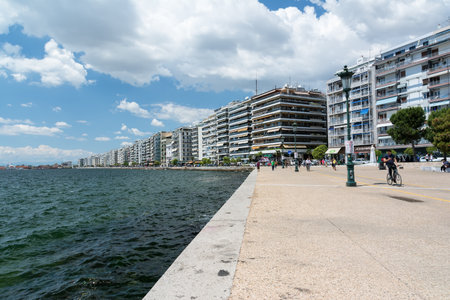 assets in the area, which already draw many international and local visitors, despite lack of uninterrupted pedestrian access, limited amenities and few retail and food and beverage options along the length of the waterfront. The City would like to catalyze the redevelopment of various vacant and/or underutilized sites along the waterfront as a means to achieve social, economic and fiscal benefits. This demonstration project will be used to illustrate how social, fiscal and economic outcomes can be maximized through more coordinated planning and effective investment program prioritization.
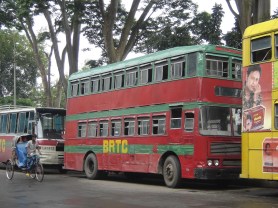 design business models and financial instruments, and provide policy recommendations to speed up clean bus implementation in 5 cities: Buenos Aires, Mexico City, Montevideo, Santiago, Sao Paulo. The consultancy firm will have to develop a detailed diagnosis, including i) detailed market study, including a diagnosis of supply and demand of bus financing, ii) a detailed investigation of bus operations, concessions agreements and procurement practices that hinder or facilitate the sector, iii) and the current regulations/subsidies schemes in each of the cities, defined both at local and national levels. From this diagnosis, the firm will design business models, propose financing mechanisms, provide policy recommendations, and training to relevant counterparts to disseminate the results and support the implementation of projects.
![medical-appointment-doctor-healthcare-clinic-health-hospital-medicine[7]](https://nl4worldbank.org/wp-content/uploads/2015/09/medical-appointment-doctor-healthcare-clinic-health-hospital-medicine7.jpg?w=270&h=180) on access solutions for innovative medicines (henceforth, the Platform) will be to develop and share knowledge and tools for smarter decision making on access strategies for patented medicines for NCDs, through a collaborative approach. The Platform will leverage the pharmaceutical industry’s capacity for developing innovative access solutions and the World Banks role as a strategic long term partner for developing countries and its convening power, to create a reference policy and implementation framework and decision-making tools for maximizing reach of new treatments for populations that typically would not have access to patented medicines, ultimately driving uptake of voluntary access strategies in developing countries.
on access solutions for innovative medicines (henceforth, the Platform) will be to develop and share knowledge and tools for smarter decision making on access strategies for patented medicines for NCDs, through a collaborative approach. The Platform will leverage the pharmaceutical industry’s capacity for developing innovative access solutions and the World Banks role as a strategic long term partner for developing countries and its convening power, to create a reference policy and implementation framework and decision-making tools for maximizing reach of new treatments for populations that typically would not have access to patented medicines, ultimately driving uptake of voluntary access strategies in developing countries. fund to support countries to prepare and implement climate change policies in order to scale-up mitigation efforts. The PMR consists of 13 Contributing Participants, who provide financial support to the PMR Trust Fund and share their carbon pricing experience, and 19 Implementing Country Participants, who receive funding and technical support. In Thailand, the PMR supports the design of an Energy Performance Certificate scheme and prepares infrastructure such as a database and MRV system. PMR activities also include a study on the legal framework for an ETS and preparation of the Low Carbon City Program and Fund.
 contribute to improve transport connectivity and sustainability. Whilst local impacts are identified and addressed in site specific ESIA, the lake ecosystem is large, complex, multi-dimensional and dynamic. Understanding the social and environmental issues thus requires comprehensive observation and management at the catchment scale in a holistic manner. Given the wider scope of the interventions on the Lake Victoria basin (both at the ports, but also with the lake itself), with knock-on or cumulative effects on the lakes overall catchment area, a strategic planning framework for the development and protection of the lake, its dependents, and associated infrastructure is critically important. This assignment is designed to support the LVBC do that.
 Netherlands for the World Bank
You must be logged in to post a comment.