
Deadline: 07-Sep-2016 at 11:59:59 PM (Eastern Time – Washington D.C.)
The Project consists of two components: Knowledge Development and Knowledge Exchange & Dissemination. The first component will study the evolution of disaster resilient PPP projects and the contractual and procurement structure that has impacted on private investment. The second component will consist of workshops where lessons learned will be discussed and shared among stakeholders. The final Technical Guides will be produced combining the case studies and the outcome of the workshops, disseminated through several channels to feed into PPP project preparation and standardization of PPP documents.


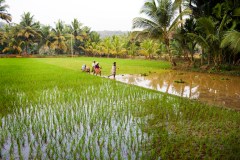 and Gender study in East Java.
 may double in the coming two decades.
 the role of investment climate factors in guiding foreign direct investment (FDI) decisions. The survey aims to analyze the investment-decision process of FDI firms across all the steps of their investment cycle (e.g., investment plans, entry, expansion, and exit). The survey also measures the importance of investment climate variables in influencing FDI decisions (e.g., investment incentives, promotion, regulations, administrative processes, etc.). We have developed a preliminary draft survey comprises around 30 questions that should take around 20-30 minutes to complete.
 Resources Group (WRG) the Consultant will support the 2030 WRGs Bangladesh secretariat including:
 to assist in sector prioritization and value chains selection with a strategic perspective to contribute to Bangladesh’s economic growth agenda. The objective of this assignment will be to conduct a rapid sector diagnostic and prioritization with focus on potential export, jobs, SME intensity, investment generation etc. in Bangladesh. The sector analysis would review relative strengths and weaknesses of a number of high potential sectors, assessing global market opportunities and relative competition, including an indication of any binding obstacles at a sector level among local businesses that should be addressed in order to enhance competitiveness in these sectors. The analysis would build on existing sources of information on recent industry trends in each sector as well as a sector outlook for the future in order to identify the key drivers of competitiveness.
 Power in the past constrained its capacity to expand its grid to main population centers or even in the capital city Honiara. While 45% households have reported to have some form of power supply at home, the majority of these households only have small solar panels, typically of 20W, whereas only 9% have power supply from the grid operated by Solomon Islands Electricity Authority (now trading as Solomon Power).
 Netherlands for the World Bank
You must be logged in to post a comment.