

For African cities to grow economically as they have grown in size, they must create  productive environments to attract investments, increase economic efficiency, and create livable environments that prevent urban costs from rising with increased population densification. What are the central obstacles that prevent African cities and towns from becoming sustainable engines of economic growth and prosperity? Among the most critical factors that limit the growth and livability of urban areas are land markets, investments in public infrastructure and assets, and the institutions to enable both. To unleash the potential of African cities and towns for delivering services and employment in a livable and environmentally friendly environment, a sequenced approach is needed to reform institutions and policies and to target infrastructure investments. This book lays out three foundations that need fixing to guide cities and towns throughout Sub-Saharan Africa on their way to productivity and livability.
Download full report here.
 as digital transaction accounts and payment services, which serve as the gateway to financial inclusion. Providers are now diversifying their products offerings to newer DFS, such as credit, insurance, and savings. A recent World Bank Group report examines DFS products geared toward longer-term savings.
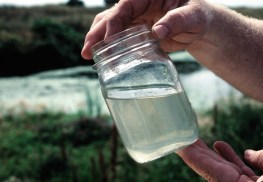 torrents of heavy rain and flooding major rivers. Records from a young monk who witnessed the floods describe a muddy wave destroying levees and sweeping through villages. As levees and rivers collapsed, floodwaters rose in Edo, Japan’s largest c
 Rapid Transit (BRT) project in the “Foz do Rio Itajai” metropolitan area in the State of Santa Catarina, Brazil. The project consists in the implementation of a greenfield BRT system with a network of five BRT corridors and six priority bus lanes, which is expected to support a ridership of 525,000 passenger trips per day by 2030. The objective of this study is to: (i) review and validate existing pre-feasibility engineering studies, (ii) further develop the preliminary project design, (iii) estimate capital and operational costs; and (iv) provide technical recommendations for the subsequent phase.


 (GIF), is selecting a legal firm (Consultant) to conduct a summary report and assessment on the regulatory and legal frameworks of Costa Rica, which may be relevant to a potential PPP for a greenfield Tramway project.
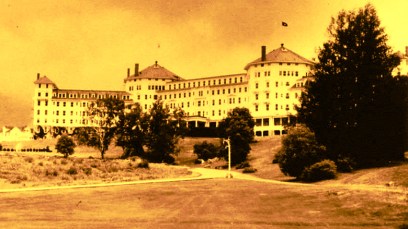
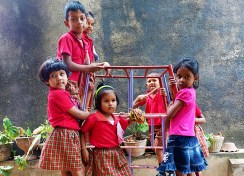
 Netherlands for the World Bank
You must be logged in to post a comment.