

A real understanding of the impact of economic inclusion programs comes from seeing lives change—standing beside women building small businesses, young people stepping into formal jobs, and families beginning to plan for the future. These moments become possible and inevitable when governments and their partners invest the time and resources to design and deliver economic inclusion for the poor.
Continue reading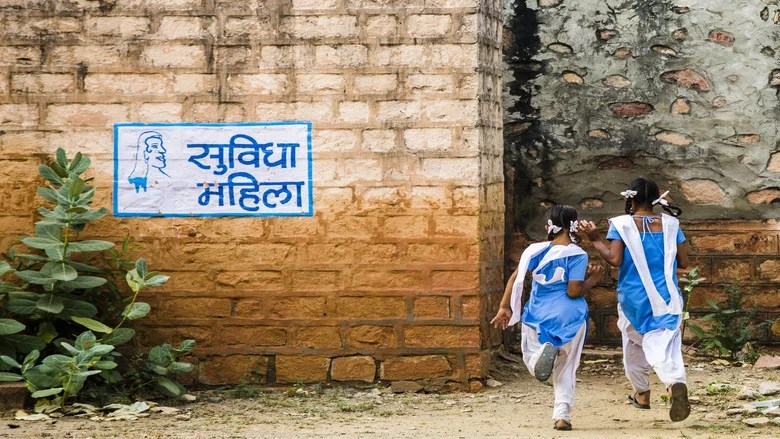


 Rapid Transit (BRT) project in the “Foz do Rio Itajai” metropolitan area in the State of Santa Catarina, Brazil. The project consists in the implementation of a greenfield BRT system with a network of five BRT corridors and six priority bus lanes, which is expected to support a ridership of 525,000 passenger trips per day by 2030. The objective of this study is to: (i) review and validate existing pre-feasibility engineering studies, (ii) further develop the preliminary project design, (iii) estimate capital and operational costs; and (iv) provide technical recommendations for the subsequent phase.
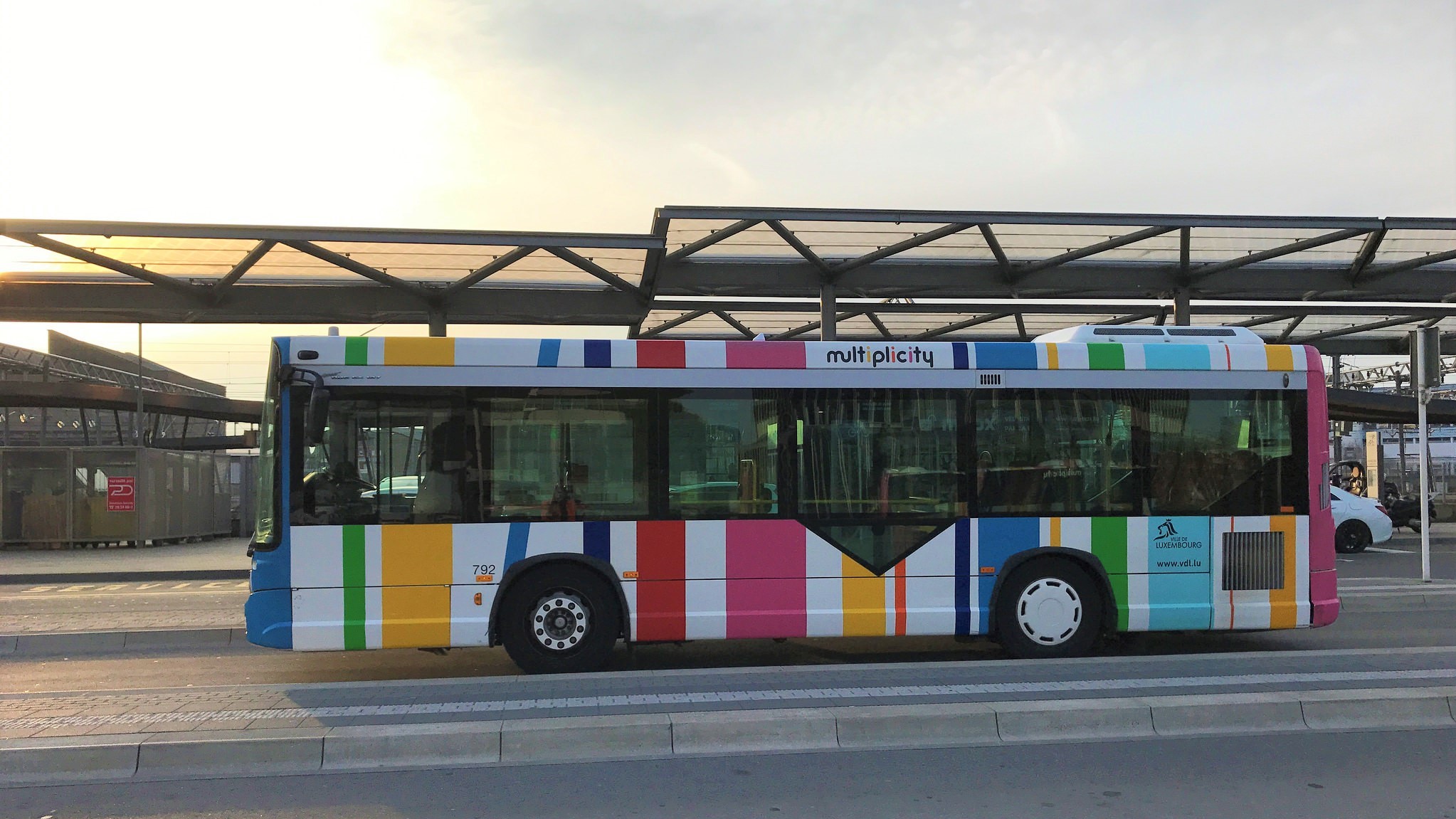 Specifically, they support the development of a new management platform for bus operations by SPTrans (SP Municipal Bus Authority) in the context of a new Operations Control Center (OCC) to be implemented. Bus operation across the city of Sao Paulo is concessioned to private operators, under the supervision of SPTrans. There are opportunities for improving the monitoring of the services and management of contracts through the development of a communication platform that allows for operators and SPTrans to interchange critical information, such as fines and operational data, and allow for real-time management of operations, as well as feed on-time information to users, such as alterations in schedule/routes and service cuts. Currently, several steps on these processes occur manually, reducing reliability of information and generating unwanted costs.
 Netherlands for the World Bank
You must be logged in to post a comment.