
Deadline: 30-Oct-2016 at 11:59:59 PM (Eastern Time – Washington D.C.)
IFC has been retained as lead transaction advisor by Ethiopian Electric Power to procure 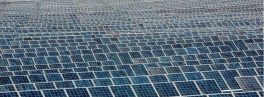 the development, construction and operation and maintenance of up to 500MW of utility scale solar PV projects on a PPP basis under the Scaling Solar Program (the Project).
As such, IFC is procuring a technical, environmental and social consulting firm to advise on the Project. The assignment will be split in to several phases and is expected to include:
Evaluation of a shortlist of potential sites; review of grid code and development of the PPA technical limits schedule; detailed site studies for selected sites, including ground investigations, grid integration studies and E&S scoping; and support to the tender process (e.g. tailoring of the technical and E&S content in the template transaction documents, prequalification evaluation, responding to bidders clarifications, bid evaluation, negotiation support).
Use of a local partner for ground investigations and local E&S expertise is recommended.
![medical-appointment-doctor-healthcare-clinic-health-hospital-medicine[7]](https://nl4worldbank.org/wp-content/uploads/2015/09/medical-appointment-doctor-healthcare-clinic-health-hospital-medicine7.jpg?w=264&h=176) Achieve 2030 Sustainable Development Goals
Achieve 2030 Sustainable Development Goals examining Public Private Partnership (PPP) options for improving provision of water supply and sanitation services for the larger urban areas, as well as looking at the potential projects that have already been the subject of studies in Tanzania, both as set out below:
 contribute 25 percent of greenhouse gas emissions.
 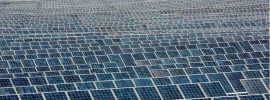 from individual firms or consortia that specialize in identifying, investigating, and facilitating business model diffusion in emerging markets. The core goal of the assignment is to facilitate identification, market validation and adoption of 2-3 business models in the renewable energy sector through the facilitation of uptake by existing companies in Kenya and South Africa. Throughout the piloting process, CTP aims to generate concrete lessons learned and insights that will be applied by public or private institutions to do further business model diffusion pilots or to scale up validated pilots. This assignment will include activities to be designed and implemented over a 12-18 month period.
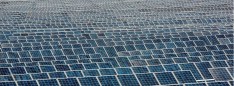 competitively priced, utility-scale solar photovoltaic (PV) power in Sub-Saharan Africa through a coordinated, packaged and largely standardised joint World Bank Group (World Bank, IFC, and MIGA) solution based on a templated Public Private Partnership (PPP) transaction. To date, three countries have signed up to the program and more countries are expected to follow shortly. In relation to Scaling Solar Madagascar, IFC intends to hire a firm to provide reliable on-site measured solar resource data for a site in Madagascar for a period of 1 year. The firm is to install, manage and maintain a solar resource measurement station at the site in order to provide bankable solar resource data.
 needs of consumers who rely predominantly on fuel-based kerosene lamps and candles by enabling them gain access to non-fossil fuel-based, low-cost, high-quality, safe, and reliable lighting products.
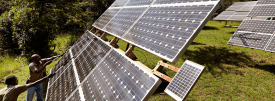 Surveys in access deficit countries to set a baseline to track progress towards Sustainable Energy for All (SE4All) goal and Sustainable Development Goal (SDG) number 7 on access to affordable, reliable and sustainable modern energy by 2030.

You must be logged in to post a comment.