
New World Bank research from 18 countries shows urgent action on water and sanitation is key to tackle poverty
STOCKHOLM, August 28, 2017– Reaching the Sustainable Development Goal (SDG) of  access to safely managed water and sanitation services by 2030 will require countries to spend $150 billion per year. A fourfold increase in water supply, sanitation, and hygiene (WASH) investments compared to what is spent today, this is out of reach for many countries, threatening progress on poverty eradication.
A World Bank report launched today at World Water Week titled Reducing Inequalities in Water Supply, Sanitation, and Hygiene in the Era of the Sustainable Development Goals suggests that a drastic change is required in the way countries manage resources and provide key services, starting with better targeting to ensure they reach those most in need, and tackling inefficiencies to make sure public services are sustainable and effective.
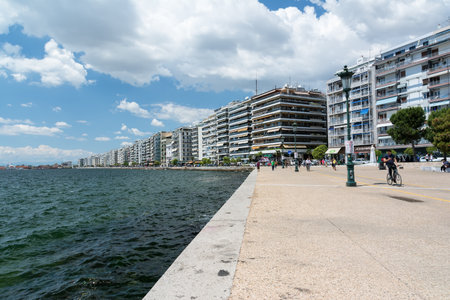 assets in the area, which already draw many international and local visitors, despite lack of uninterrupted pedestrian access, limited amenities and few retail and food and beverage options along the length of the waterfront. The City would like to catalyze the redevelopment of various vacant and/or underutilized sites along the waterfront as a means to achieve social, economic and fiscal benefits. This demonstration project will be used to illustrate how social, fiscal and economic outcomes can be maximized through more coordinated planning and effective investment program prioritization.

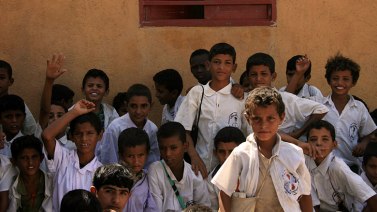
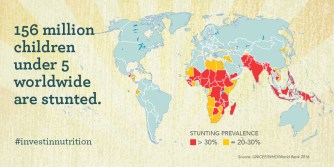 parliamentarian workshop organized by UNICEF where I learned about the different forms of malnutrition that we face. There, I discovered that my country, Cameroon, has an overall stunting prevalence of 32% for children under age five. In other words, one in three children under the age of five is affected. I now know of the devastating effects of malnutrition on the health of families, children and adolescents and consequently on the development of our country. As a parliamentarian, I’ve worked to serve my constituency and set up a community health insurance which helps improve the coverage of vulnerable children and young people. These challenges are our daily reality, but I was surprised to see them highlighted by the President of the World Bank in Washington, DC when I traveled there for the World Bank’s Spring Meetings.
 Over the past 15 years, the World Bank Groups’ Community Development Carbon Fund (CDCF) has contributed to reducing over 4 million tons of carbon dioxide equivalent and created community co-benefits aligned with sustainable development goals (SDGs) for approximately 17.5 million people. Ecofys, a Navigant company and headquartered in Utrecht, The Netherlands, has supported the Bank’s efforts and recently presented a

 Netherlands for the World Bank
You must be logged in to post a comment.