
- From handloom artisans in Bhaktapur, to formally contracted delivery riders operating across Bharatpur, Biratnagar, and beyond, to agricultural and floriculture workers in Surkhet — ESP-supported ventures are creating meaningful jobs across Nepal.
- Through ESP, over 1,900 students and graduates received entrepreneurship training, and 62 ventures received collateral-free, interest-free seed financing averaging NPR 2 million each — helping young Nepalis turn ideas into income-generating businesses.
- With 500,000 young people entering Nepal’s workforce every year, ESP is helping higher education institutions go beyond traditional academics by partnering with the private sector, establishing business incubation centers at six universities, and equipping graduates with the practical skills the labor market demands.
Tag Archives: Education
Supporting cost-effective AI adoption in education
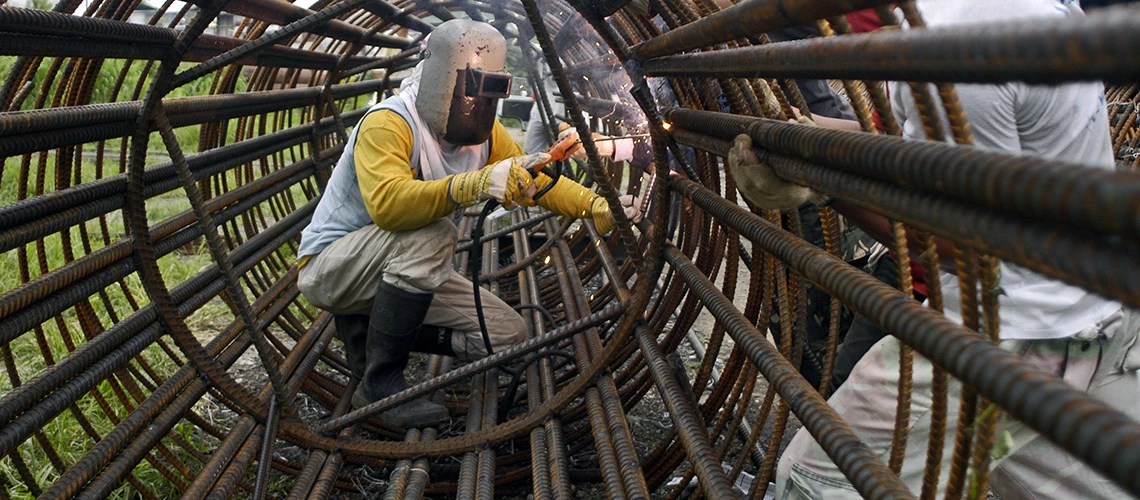
Implementing AI in education is both very similar to earlier challenges of integrating edtech — and at the same time very different. It is similar in that costly infrastructure constraints limit access, and skills upgrades and training are required for effective uptake at scale. What is notably different about AI is the speed of its development and roll-out. FOMO (fear of missing out) is an unfortunate but real driver of many efforts to quickly deploy AI in education before knowing exactly how to do it, who benefits and who does not, what the enabling conditions for success look like, and what it all costs. Move fast, and you might well make mistakes. But not doing anything risks that countries and communities already on the wrong side of the digital divide fall further behind their peers.
Continue readingClosing the skills gap: why industry must help lead the way
The global economy is changing at extraordinary speed, and education and training systems are struggling to keep up. Artificial intelligence is transforming jobs almost overnight. The green transition will create tens of millions of new ones. By 2050, 22 percent of the world will be over the age of 60, creating urgent shortfalls in health and care workers. And yet, despite a large and untapped global labor force, employers cannot find the talent they need. The result is a paradox: mass unmet demand for talent, alongside a vast untapped labor force.
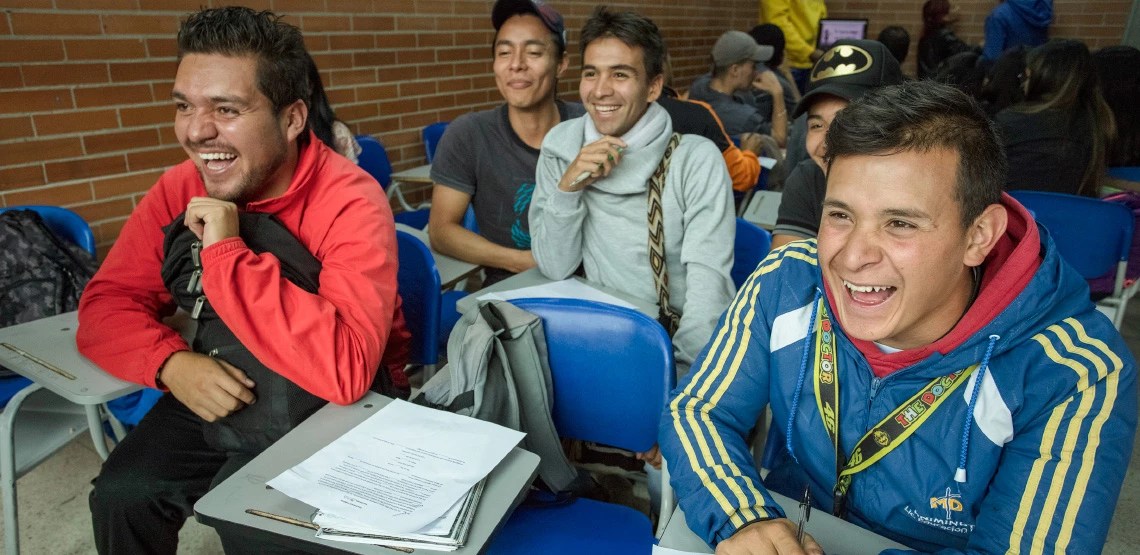
The binding constraint on AI in education is not technology. It’s organizational culture
When people talk about AI in education, they usually mean AI in classrooms: devices, chatbots, adaptive platforms. The conversation quickly stalls because many schools in low- and middle-income countries lack the infrastructure. So, AI becomes something for well-resourced systems, and everyone else waits.
Continue readingInternational Day of Education 2026: Education Works
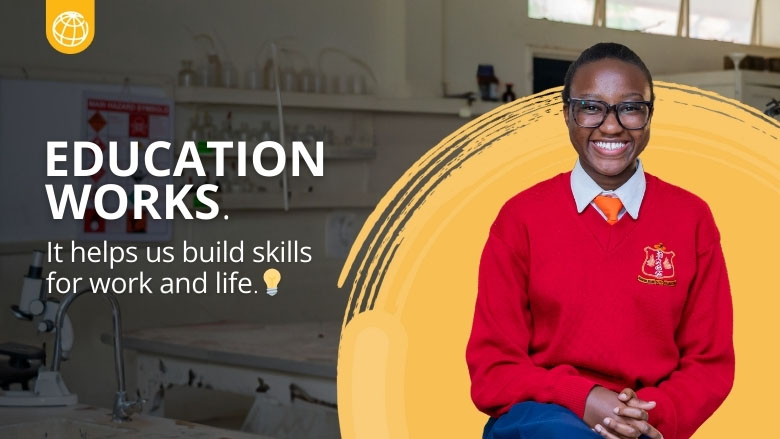
Education is the foundation to skills development and jobs, and the surest way out of poverty, empowering generations to earn an income and drive economic growth. A good education equips learners with key foundational skills—literacy, numeracy, and socio-emotional competencies—which are essential for work and life. These skills help today’s children become tomorrow’s productive workers and enable workers to reskill or upskill later in life. The World Bank Group is the largest financier of education in the developing world, with a $26.4 billion portfolio across 81 countries, supporting 324 million students to date with better education.
On this International Day of Education, we look at why education works, and how it helps propel people out of poverty, putting economies on a path to growth.
“Credit: World Bank Group. All rights reserved”
India: World Bank Approves Three Projects in Assam State to Increase Access to Markets, Jobs and Services
WASHINGTON, Jan. 13, 2026 —The World Bank’s Board of Executive Directors today approved three projects to help the Indian state of Assam increase resilience to extreme weather events, improve governance and service delivery, and provide more than 4 million students with the skills they need to succeed in the workforce.

Assam, located in India’s northeast, is uniquely positioned as the gateway to Southeast Asia, offering strategic connectivity for regional trade and integration. At the same time, Assam faces challenges such as climate vulnerability, inadequate infrastructure, and multidimensional poverty, which hinder inclusive growth.
Continue readingLevel Up MENA: How digital education and skills are powering the next generation of jobs

Imagine landing your dream engineering role at one of Silicon Valley’s top technology companies – from your apartment in Riyadh, Cairo, or Beirut. This dream is now within reach for thousands in the Middle East and North Africa (MENA), provided they have the right skills.
Continue readingEducation is a key to jobs, growth, and lifelong learning
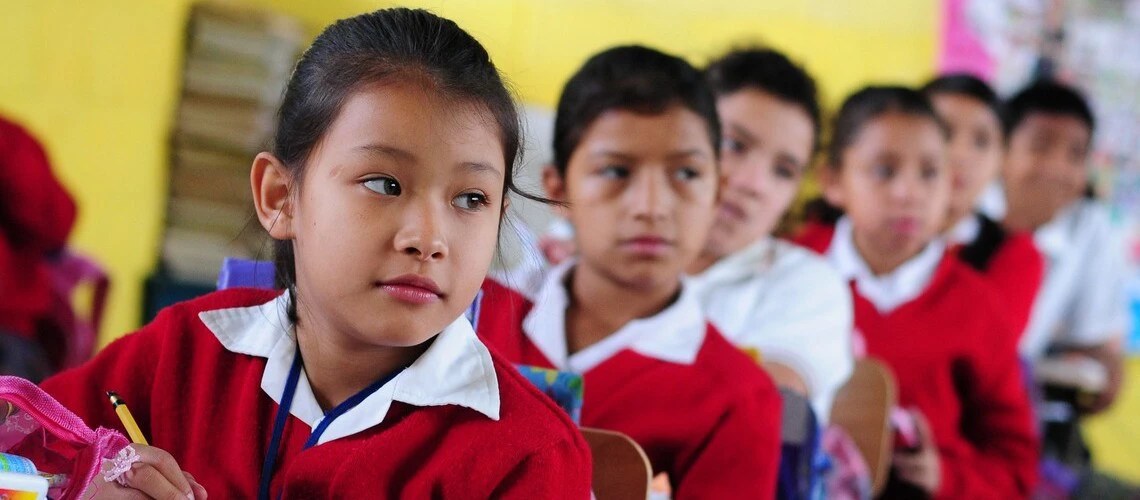
Education is a foundation for good jobs and the surest way out of poverty. We know a good education equips learners with important foundational skills—literacy, numeracy, and socio-emotional competencies—which are essential for work and life. These skills help today’s children become tomorrow’s productive workers and enable workers to reskill or upskill later in life.
Continue readingPakistan: World Bank Announces New Education Project to Benefit Over Four Million Children in Punjab
WASHINGTON, August 23, 2025— The World Bank has approved a US$ 47.9 million grant, funded by the Global Partnership for Education Fund, to help improve girls’ and boys’ participation at pre-primary and primary levels in Pakistan’s Punjab province. The new support is expected to improve learning outcomes at the primary level and strengthen remedial learning support at the elementary level of schooling.
The “Getting Results: Access and Delivery of Quality Education Services and System Transformation in Punjab Project” will expand early childhood education, re-enroll out-of-school children, strengthen teacher support, and improve the education sector’s responsiveness to climate change and emergencies.
Continue readingArtificial Intelligence Revolution in Education: What You Need to Know | World Bank Expert Answers
“Credit: World Bank Group. All rights reserved”


You must be logged in to post a comment.