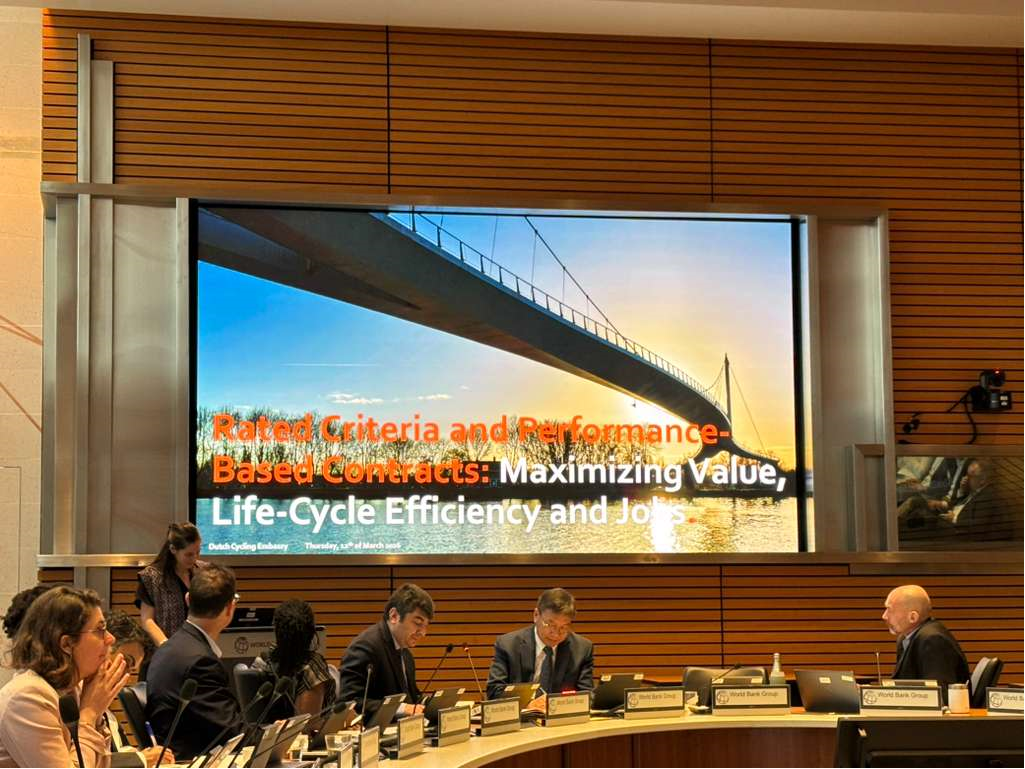
The Transforming Transportation 2026 (TT26) conference, held in Washington, D.C., recently concluded with a powerful message: transport is no longer just about infrastructure—it is the engine for global economic security and job creation. Under the theme “Powering Jobs and Growth,” the 23rd edition of this flagship event, co-hosted by the World Bank and the WRI Ross Center for Sustainable Cities, gathered world leaders to address how smarter mobility can bridge the gap between poverty and opportunity.
Continue readingTag Archives: Growth
Growth, jobs, and poverty reduction: Lessons from Paraguay
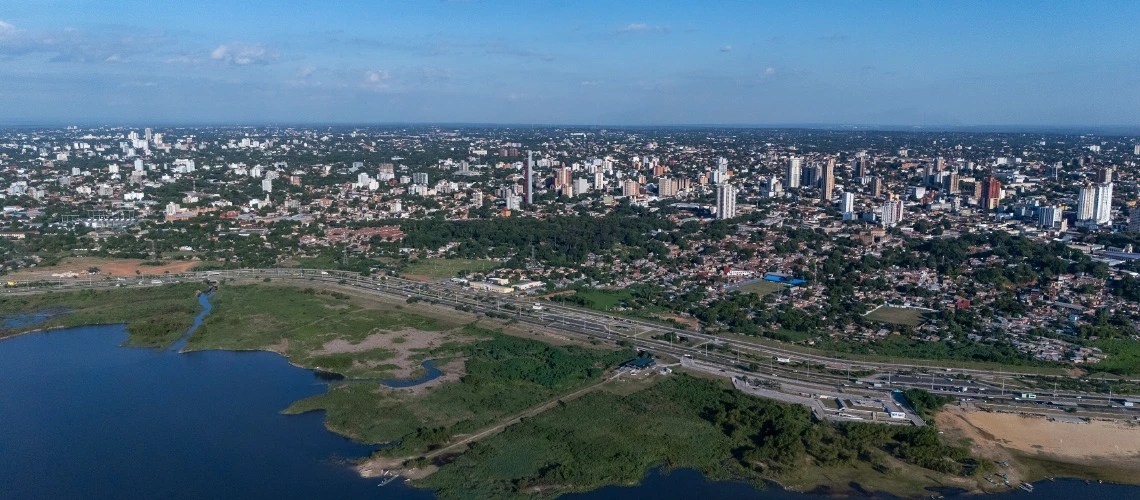
In the last 20 years, poverty in Paraguay has plummeted from over 50 percent to only 16 percent in 2025. In just two decades, a third of the population has escaped poverty, with another 300,000 rising out of poverty just in the last two years.
Progress at this pace, scale, and duration does not happen by accident. Paraguay’s success is what happens when governments focus on productivity and jobs. Paraguay’s GDP growth has been nearly 5 percent per annum, among the fastest in Latin America. But for progress in poverty and shared prosperity, what drives growth matters. Labor income growth was the primary driver of poverty reduction in 2025, with the largest gains concentrated at the bottom of the income scale. Employment has grown and shifted toward more stable, better-compensated work. Sustained growth in employment and labor incomes is only possible with growth in the productivity of labor. Economic growth improves people’s lives when there is a focus on including people in an increasingly productive economy through job creation.
Continue readingSpring Meetings 2026 | How Electricity Access Supports Jobs and Growth Worldwide
International Day of Education 2026: Education Works
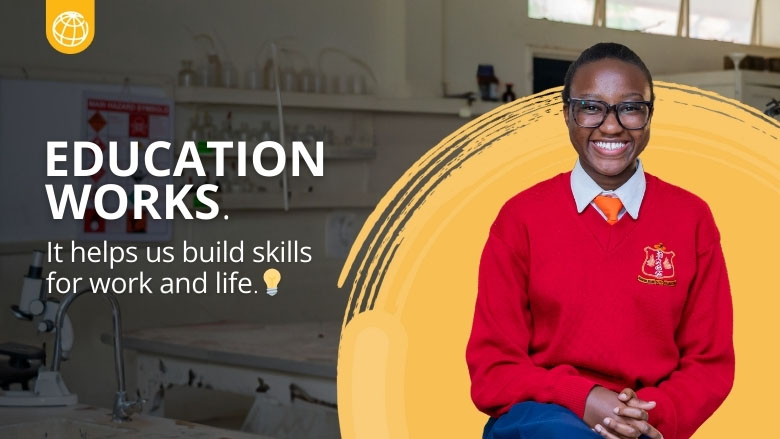
Education is the foundation to skills development and jobs, and the surest way out of poverty, empowering generations to earn an income and drive economic growth. A good education equips learners with key foundational skills—literacy, numeracy, and socio-emotional competencies—which are essential for work and life. These skills help today’s children become tomorrow’s productive workers and enable workers to reskill or upskill later in life. The World Bank Group is the largest financier of education in the developing world, with a $26.4 billion portfolio across 81 countries, supporting 324 million students to date with better education.
On this International Day of Education, we look at why education works, and how it helps propel people out of poverty, putting economies on a path to growth.
“Credit: World Bank Group. All rights reserved”
Economic growth in 2025 has defied the gloomy expectations
2025 has been a year of steep ups and downs for the global economy—at least where growth forecasts have been concerned. The consensus forecasts of economists have swung from optimism to pessimism and back again. Yet actual economic activity has remained remarkably resilient. Forecasters now expect global growth of about 2.7 percent—broadly in line with expectations at the start of the year (figure 1A).
Continue readingPower More With Less: Scaling Up Energy Efficiency for Growth and Energy Security
Energy efficiency is a transformative, low-cost solution that can fast-track access to affordable and secure energy and boost economic growth. Amid soaring power demand, driven in part by air conditioners, heavy industry, and, increasingly, data centers needed to power artificial intelligence, energy efficiency can help countries avoid overspending on new energy infrastructure, importing fuels, and taking on more debt for their energy sectors.

Global trade has remained resilient so far, but a sharp slowdown is underway
As we cross the halfway point of 2025, mounting headwinds are slowing down global trade. A decade-long rise in trade restrictions has been supercharged by sharp tariff hikes and retaliatory measures from major economies over the past three months. Although some of these measures have since been rolled back and fresh negotiations are underway, businesses are still navigating choppy waters—including elevated policy uncertainty, stretched supply chains, and the ever-present threat of new barriers. In the face of this, we explore how these headwinds will likely reshape trade growth this year and next, identify the most critical risks ahead, and highlight the bright spots that could help steady the ship.
Continue reading2024 Annual Meetings: Agriculture and Food

The global agriculture and food system can do more than just feed a growing population—it holds immense potential as a driver of growth and job creation. However, to unlock this potential for the long term, the agrifood system needs to prioritize nutrition, climate resilience, and halting environmental degradation.
This flagship event at the World Bank Annual Meetings 2024 will explore how governments and businesses can lead this transformation.
Have questions? Don’t wait—submit them below. Our experts will be responding live on October 23rd!
Weakening Growth, Financial Risks
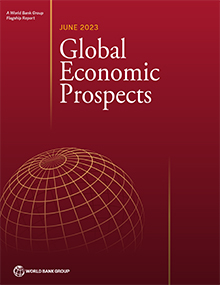
Global Economic Prospects
Global growth is projected to slow significantly amid high inflation, tight monetary policy, and
more restrictive credit conditions. The possibility of more widespread bank turmoil and tighter monetary policy could result in even weaker global growth and lead to financial dislocations in the most vulnerable emerging market and developing economies (EMDEs). Comprehensive policy action is needed to foster macroeconomic and financial stability. Among many EMDEs, and especially in low-income countries, bolstering fiscal sustainability will require generating higher revenues, making spending more efficient, and improving debt management practices. Continued international cooperation is also necessary to tackle climate change, support populations affected by crises and hunger, and provide debt relief where needed.
Growth and Stability During Crises – from University of Niamey
In his speech, “Growth and Stability During Crises,” World Bank Group President David Malpass discussed the challenges facing development policy, including the need for macroeconomic stability, the importance of private capital to international integration, and the increasing need to support global public goods. President Malpass emphasized the role of education in supporting growth and creating pathways out of fragility and extremism, which are both critical for Africa’s Sahel Region.
The live-streamed speech was hosted by the Abdou Moumouni University of Niamey, Niger.
Read the transcript of President Malpass’s speech