From Ecosystems to Employment: How Investing in Nature is a Job Creator

Jobs and the environment are deeply interconnected. The environment shapes livelihoods, productivity, and economic transformation. Labor markets determine how societies adapt to environmental conditions. Jobs are also central to prosperity and poverty reduction, providing income, hope, and dignity.

However, over the next 10 to 15 years, about 1.2 billion young people in developing countries will reach working age, while only around 400 million jobs are expected to be created. Compounding the jobs gap further, are environmental pressures that are already weighing heavily on livelihoods and economic potential. In many developing countries, degraded air, water, and land reduce productivity and limit opportunities for workers and businesses alike.

Continue reading
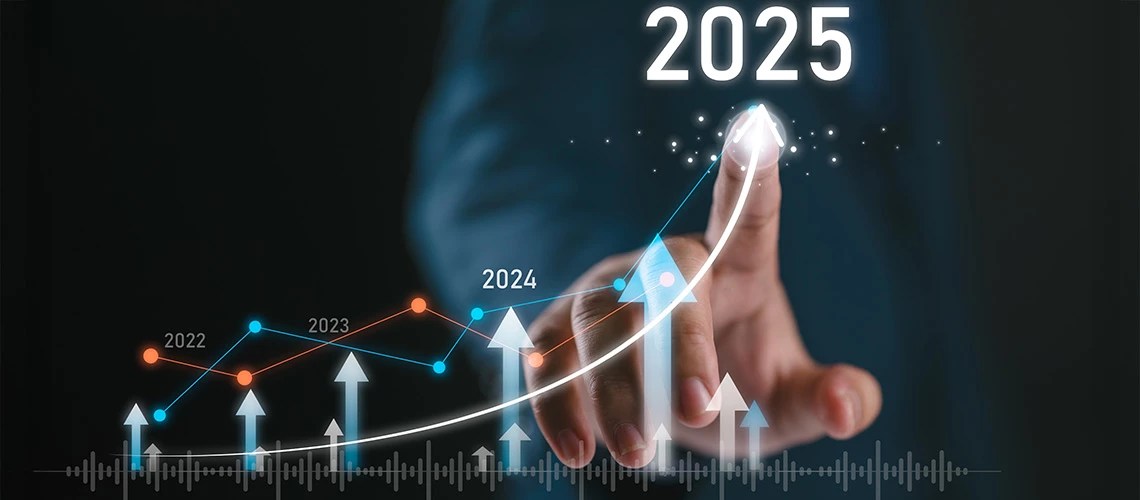
Investing in people, creating opportunities

Over the past 15 years, even as incomes have risen and poverty has declined, nearly two-thirds of low- and middle-income countries have experienced setbacks in nutrition, learning, or workforce skills.

Among all low- and middle-income countries, gaps in these outcomes from what should be achievable are large, and the potential cost is cause for alarm: an estimated 51 percent loss in future earnings. Behind this number are children growing up with fewer opportunities to thrive, families struggling to secure a stable future, and communities at risk of losing hard-won social gains.

Continue reading

Economic growth in 2025 has defied the gloomy expectations

2025 has been a year of steep ups and downs for the global economy—at least where growth forecasts have been concerned. The consensus forecasts of economists have swung from optimism to pessimism and back again. Yet actual economic activity has remained remarkably resilient. Forecasters now expect global growth of about 2.7 percent—broadly in line with expectations at the start of the year (figure 1A).

Continue reading

Investing in nutrition is smart economics

Every day, millions of children are robbed of their potential before they even start school. This is not a distant tragedy—it’s a global emergency. Malnutrition is one of the most critical, yet often overlooked, development challenges of our time. Although some progress has been made in recent years, the global fight against malnutrition has stalled, continuing to impact millions, especially in low- and middle-income countries.

Continue reading

Are emerging market risks for private investors overstated? What the data show

The G20 has delivered a strong message that multilateral development banks (MDBs) need to be “better, bigger, and more effective.”  That’s the headline of the G20 reform plan adopted in November 2024, which not only sets out the future path but also establishes how to get there with a detailed roadmap of 13 recommendations and 44 actions. 

Continue reading

Investing in women means investing in solutions for peace and progress

Unequal access to jobs and finance. Limited access to education and healthcare. Exclusion 2024-08-07-1830-FCV-Gender-Blog-Leader_1140x500from decision-making. Risks of gender-based violence.

Women all over the world face these challenges, but even more so in countries facing fragility, conflict, and violence (FCV) where restrictive gender norms are often amplified and entrenched.

Continue reading

Investing in rail can help put African cities on a more sustainable track

Africa is home to 11 of the world’s most populous cities, with urban areas growing rapidly. ke-nairobi-train-station-Bob-AdobeStock-383381979 1140x500While urbanization has fueled significant economic expansion across the region, it has also brought a variety of challenges, including a significant rise in the demand for motorized transport. The impact on people’s lives is hard to overstate: for the residents of African cities, more vehicles on the road often translates into chronic traffic congestion, longer commutes, as well as increased traffic fatalities and injuries.
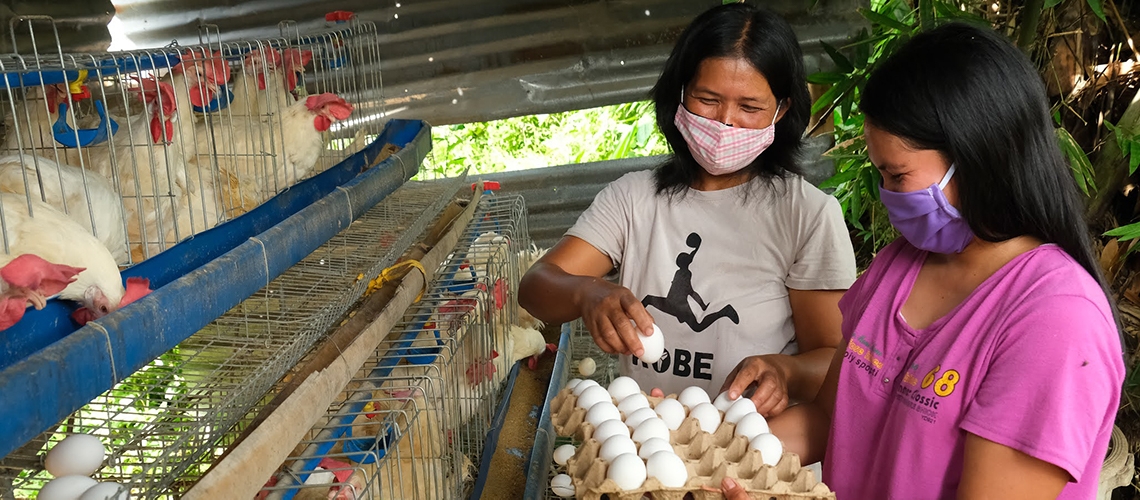
Investing in women and girls: How governments can drive inclusive recovery

Before COVID-19, many countries were making significant gains in human capital, improving dole_graduation_pilot_philippineshealth and education outcomes for girls and boys and empowering women to reach their potential. Between 2010 and March 2020, the World Bank’s Human Capital Index 2020 Update found an average increase of five percent in the human capital index across countries.

Continue reading

Investing in Africa’s people yields impact, strengthens efforts to beat pandemic

The pandemic is an important reminder of how precious and productive an investment human capital is. One year after the launch of the World Bank’s Africa Human Capital Plan, there has not only been a significant scale-up, but also a shift in World Bank support to African countries.

Continue reading