US$250 Million Program to Support Jordan’s Energy & Water Sectors

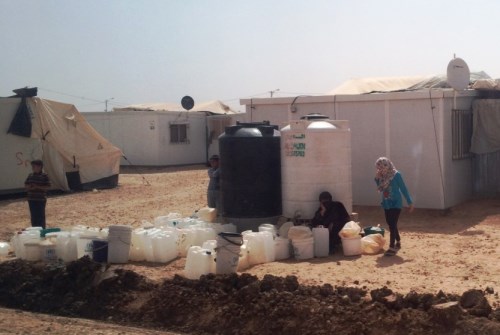
The World Bank Board of Directors approvedsyrian-refugees-saeed3today a US$250 million financial package to support Jordan’s process to reform the energy and water sectors, two critical public services which are challenged by scarce resources and further burdened by a sharp rise in demand caused by the influx of Syrian refugees.
“The water sector is on track to start generating energy efficiency savings that will help to reduce the fiscal and environmental footprints of the sector.”

– Caroline van den Berg, World Bank Lead Water and Sanitation Specialist.

Jordan’s historic vulnerability to the fluctuations in fuel prices, coupled with the frequent interruptions in piped natural gas from Egypt since the outbreak of the Arab upheaval in 2011, have severely taxed the budget. To compensate for the gas shortages, Jordan has resorted to importing more expensive diesel and fuel oil. This development encouraged the Government to develop and implement programs to diversify and reduce cost of energy supply through the development of domestic renewable energy resources and alternate natural gas supply options for power generation.

On the water front, Jordan has historically grappled with water scarcity, which has forced the Kingdom to maximize its use of shared resources, while becoming more dependent on non-conventional, and often very energy-intensive, water infrastructure.  A series of external shocks, including the fluctuations in oil prices and the influx of the Syrian refugees in the country, have rapidly increased the cost of water. In response, the Government is implementing a sector reform program that aims to optimize the allocation of water resources, while reducing the use of energy in the sector – a program that would be supported by the DPL. The plan will optimize the use of existing surface water resources while allocating increasing flows of treated wastewater to farmers and industry to support economic growth while reducing the over-extraction of groundwater.

“We are pleased to continue supporting the Government of Jordan in implementing its ambitious and far reaching reform programs, which aim to bolster the country’s broad development agendas.”

– Ferid Belhaj, World Bank Director for the Middle East.

The water sector is one of the largest consumers of electricity in the country, and hence any increase in energy efficiency will help to reduce the cost of water and reduce emissions and subsequently the carbon footprint of the sector.

In addition to the new US$250 million loan, the World Bank’s portfolio in Jordan comprises three projects amounting to US$430 million, as well as 15 trust fund grants for a total of US$83.4 million.

More information can be found on the World Bank website, where you also may find the program document.

eConsultant2: Support India’s Ministry of New and Renewable Energy to Draw up Rollout Plan for Renewable Energy.

Deadline:  24-Sep-2015 at 11:59:59 PM (Eastern Time – Washington D.C.)

File:India fields and wind turbines.jpgThe World Bank now intends to engage a Consulting Firm to study the finalized 24X7 plans with respect to Renewable energy and prepare a state wise roll out plan for the implementation of the plans. The consultants will also be required to support MNRE in coordination with the states for the renewable energy aspect of the 24X7 plan
Continue reading

IFC Annual Report 2015

The IFC has published its Annual Report 2015. Some highlights have already been published earlier this week on this blog.

“In FY15, IFC invested nearly $18 WBG-Highlightsbillion, including more than $7 billion mobilized from other investors. Our comprehensive approach helped businesses innovate, build internationally competitive industrial sectors, and create good jobs.”

60billionThe World Bank Group maintained strong support for developing countries over the past year as the organization focused on delivering results more quickly, increasing its relevance for its clients and partners, and bringing global solutions to local challenges.

Please find the Annual Report here.

Today to 2030

Follow the event on Twitter with #TodayTo2030
Join the Live Stream October 92030-promo-getty

President, Peru: Ollanta Humala
Secretary-General, United Nations : Ban Ki-moon
UK Secretary of State for International Development: Justine Greening
President, World Bank Group: Jim Yong Kim
Managing Director, International Monetary Fun: Christine Lagarde
International Journalist: Femi Oke – Moderator

Date: Friday, October 9, 2015

Continue reading

World Bank Webinar: Recent Global Trends in Infrastructure Project Finance

Date: September 29, 2015Recent_Global_Trends_PPP
Time: 10:00AM EST
In the first quarter of 2014, many emerging countries were still struggling to mobilize financing flows to infrastructure, although there were key signs of a revival. A year later, some countries and regions appear to have been successful in reviving their PPP markets, others less so. In addition, against the back drop of developments in the project finance market, international financial institutions and bilateral aid organizations discussed the future of financing of infrastructure in Addis Ababa this year. What does the future look like? This webinar looks at the current trends in PPP financing in major regions of the world from lender and MDB perspectives.

Continue reading

eConsultant2: Consultancy Services for development Investment Plan Bangladesh Delta Plan 2100 (BDP 2100)

Deadline: 08-Oct-2015 at 11:59:59 PM (Eastern Time – Washington D.C.)

delta

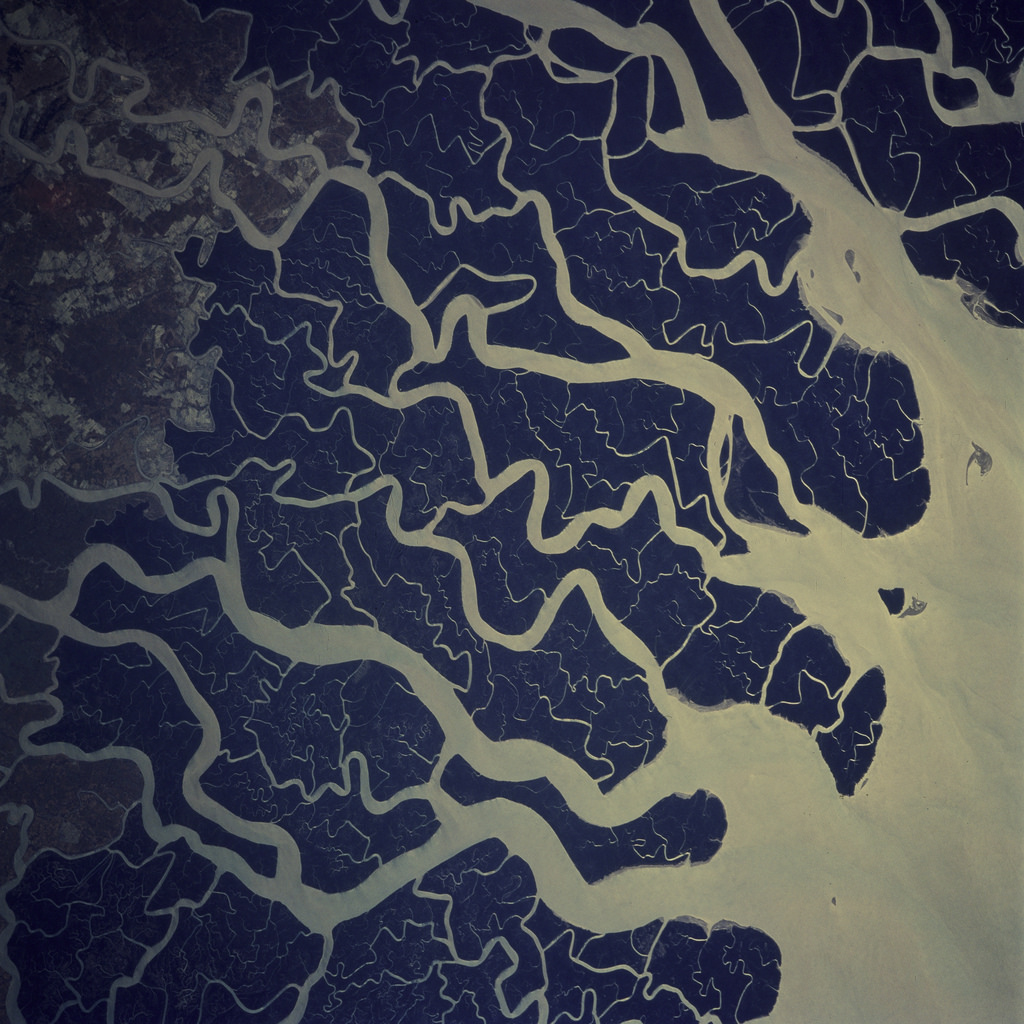
The Government of Bangladesh (GoB) is in the process of developing the Bangladesh Delta Plan 2100 (BDP2100).Based on concept notes prepared by the BDP2100 team and by additional verification and consultation, the Consultant will review the baseline studies conducted by the BDP2100 team; assess each of the priority short and medium term projects identified for investment in consultation with stakeholders and the BDP2100 team; develop in consultation with all relevant stakeholders from the public and private sector a list of nominated projects; and for each project prepare detailed descriptions, which would be included in the final report the BDP2100 Investment Plan.The implementation period for this assignment is over a period of 12 months.
Continue reading

IFC Reengagement with the Central African Republic’s Private Sector

This article was originally published on the IFC website.

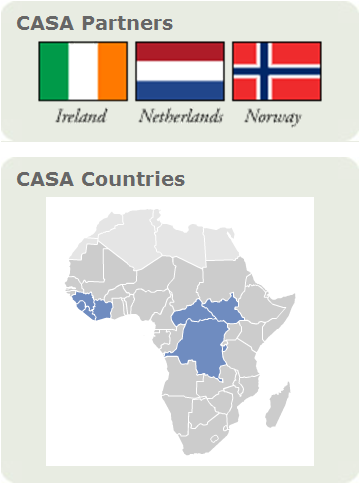
As part its efforts to re-engage with the CASACentral African Republic, IFC, a member of the World Bank Group, supported the organization of a five-day national forum on private sector development presided over by Catherine Samba-Panza, the country’s transitional Head of State. The forum was co-financed by IFC’s Conflict Affected States in Africa Initiative (CASA), which is supporting private sector growth in nine fragile countries in Africa (Burundi, CAR, Côte d’Ivoire, DR Congo, Guinea, Liberia, Mali, Sierra Leone, South Sudan). CASA is supported by donor partners Ireland, the Netherlands, and Norway.

Workshops during the forum focused on forestry, mining and agriculture as key development sectors, and introduced a public-private partnership (PPP) model to infrastructure development. Other key issues discussed included taxation, investment incentives, women entrepreneurship, and inclusion in the regional economy. IFC has previously worked with public and private sector partners in the CAR to improve the investment climate and support small business growth, particularly in and around the capital, Bangui.

Jean Christophe Carret, World Bank Country Manager for the CAR, said, “The World Bank Group is open to re-engagement with key internal and external stakeholders in the CAR to promote private sector-led growth through support to the health and infrastructure sectors, including transport and energy.” The forum’s goals included identifying bottlenecks hindering the development of the private sector, and nurturing a new economic development approach for the country


eConsultant2: Design of RBF Mechanism for Solid Waste Management in Mauritania and Senegal

Deadline: September 29.

The objective of this activity financed by solid wasteGPOBA and implemented by the World Bank Urban team is to design results-based financing (RBF) or output-based aid (OBA) mechanisms, provide related policy, investment and institutional enhancement recommendations that are necessary to improve the performance of solid waste management in each cities. A particular focus of this activity will be to identify solutions approaches that improve access to sound solid waste services to poor households. The countries where the work is planned are Mauritania and Senegal. Continue reading

Improving Lives: Health & Education Strengthening Human Capital

Article originally published in the IFC’s Annual Report 2015.

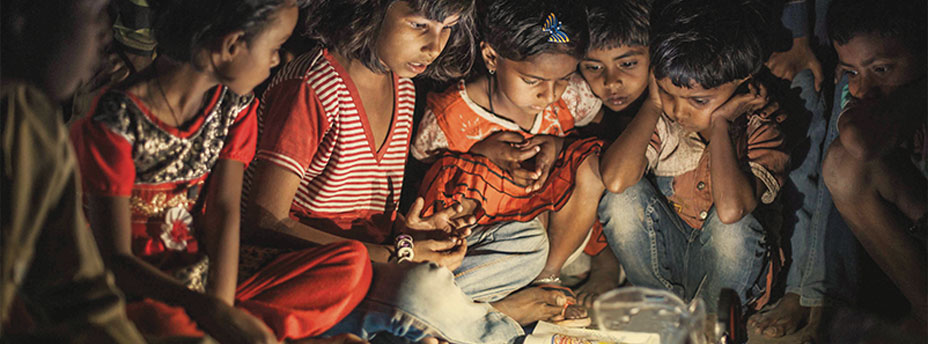
Across the world, more than a billion Health-Edu-Story-Bannerpeople lack access to quality health services. Nearly three-fourths of the 38 million worldwide deaths from chronic illnesses — such as cancer — occur in developing countries. Globally, more than 57 million children do not attend school, with 30 million of them in Africa alone.

These statistics highlight a major obstacle to ending extreme poverty and boosting shared prosperity: high-quality education and health-care services still aren’t as widely available and affordable as they need to be. This is a challenge that’s best addressed when the public and private sectors act in concert to advance the interests of society.

Continue reading

Tender: Water Supply And Sanitation Construction Works in Uganda

The Republic of Uganda has received a loan from the World Bank for a Water Management and Development Project, and intends to applywater part of these proceeds to payments under the contract for construction works for water supply and sanitation in Rukungiri Municipality, Katwe-Kabatoro and Koboko Town.

Deadline: November 10, 2015

Continue reading