
Mission 300 is now delivering electricity access at nearly double the pace recorded at the initiative’s launch — proof that coordinated action can drive large-scale change
CAPE TOWN, June 16, 2026 — The World Bank Group and the African Development Bank Group announced today that Mission 300 has connected over 50 million people to electricity across 40 countries — a major milestone toward the initiative’s goal of reaching 300 million people by 2030.
Continue reading exclusively on the private sector in developing countries.
 organized a webinar series ‘Doing business with the World Bank’. The series started with a kick-off on 6 October. Koen Davidse, Executive Director at the Constituency Office at the World Bank Group, and Jan de Boer, Advisor to the Executive Director, gave presentations on the topic. Central theme of the first webinar was the World Bank COVID-19 response and its impact on its operations.
 businesses—those operating outside formal licensing and registration procedures—outnumber formal firms by a factor of 9 to 1. The World Bank’s Enterprise Analysis Unit recently published surveys of informal businesses in Mozambique, conducted in collaboration with the country management unit and colleagues from the Finance, Competition, and Innovation Global Practice. These surveys were designed to mirror the standard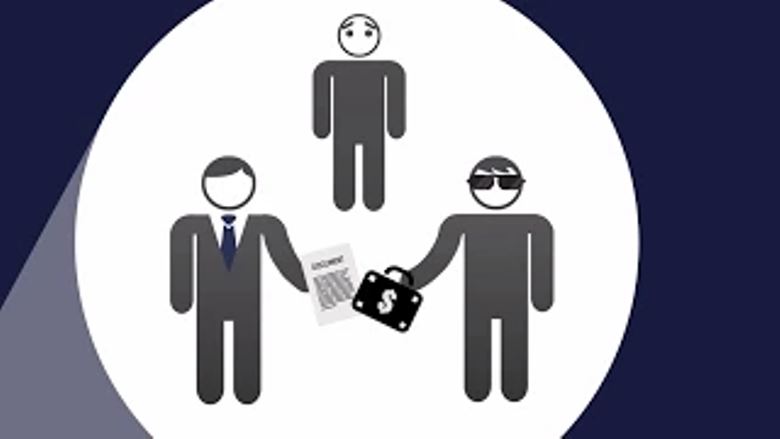
 bureaucracy busting efforts for the domestic private sector, implementing 314 business reforms over the past year, says the World Bank Group’s Doing Business 2019: Training for Reform report, released today.
 introduction to the World Bank Group. We have updated the handbook with new information on the current procurement framework. Besides the handbook we also created fact sheets which include information on project cycles as well as Bank jargon which will be good to know when working with the World Bank Group.
 EBA 2017 is the third report in the series, presenting data that measure legal barriers for businesses operating in agriculture in 62 countries and across 12 topic areas. It provides quantitative indicators on regulation for seed, fertilizer, machinery, finance, markets, transport, information and communication technology (ICT), and water. Two overarching themes—gender and environmental sustainability—continue to be included in the report analysis to ensure that the messages developed by EBA encourage inclusive and sustainable practices. This year scoring was piloted for the land topic for 38 countries in which data were collected. The data for the remaining 24 countries will be collected next year and the team will refine the methodology further. EBA also collected data on the livestock topic, focusing on veterinary medicinal products (VMPs).


You must be logged in to post a comment.