
Technology and the internet are probably the first things that come to mind when you  think about the future of work for young people; not agriculture or farming. This makes historic sense, as agriculture sheds labor when countries develop. And the traditional ways of producing food do not look particularly sexy. Yet, technology and the internet are also opening up opportunities for agriculture, and urbanization and changing diets are calling for new ways to process, market and consume our foods. So, can agriculture provide job opportunities for youth?
eC2:BASELINE DATA COLLECTION FOR THE DCM SHRIRAM CONSOLIDATED LIMITED (DSCL) PROJECT INDIA
Deadline: 18-Sep-2017 at 11:59:59 PM (Eastern Time – Washington D.C.) 
The external firm is to conduct the following:
Step 1: Brief desk review of existing project documents and external documents that are identified as relevant. The end result of this will lead to the inception report which provides a detailed plan for completion of the assignment
Step 2: Hiring and training of enumerators with IFC Staff and DSCL Staff invited to attend (attendance will be at the discretion of IFC and DSCL)
Step 3: Finalization of questionnaire: review and translation as well as pilot testing of questionnaire which can be done as part of enumerator training
Step 4: Data collection in the field which will include capturing of GPS data points through tablet (CAPI) technology (GPS data points need to be taken at the respondents home or farm.)
Step 5: Code and clean data set prior to transmission to IFC
Step 6: Allow time (7 business days) for IFC to conduct quantitative analysis.
Step 7: Synthesize the analysis completed by IFC into a report for the client
Continue reading
Educating Girls, Ending Child Marriage
Every day, 41,000 girls marry before they are 18 years old. That’s 15 million girls every year. While child marriage can happen to both boys and girls, in most places around the world, the practice mostly affects girls.
Girls like Nafissa* (not her real name), from Niger.
“I stopped (going to) school in order to marry,” says the young teen, “It was because of people’s mentality and their prejudices. I was married during a school break and, before I could return, I became pregnant. After that, I never returned.”
eC2: Gender and Energy Consultant Ethiopia Energy Program
Deadline: 18-Sep-2017 at 11:59:59 PM (Eastern Time – Washington D.C.)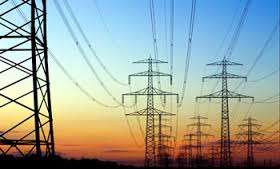
EEU has adopted a Womens Affairs Policy and Procedures to guide the institutions actions on gender mainstreaming. Informed by the National Gender Mainstreaming Guidelines developed by the MoWCYA, the stated policy objective is to realize preferred gender equality system [sic] and protect human rights of women employees in the institution. It is applicable to all functional units and employees of the EEU. EEU has also recognizes how the energy sector can contribute towards the gender targets outlined in GTP II and has aligned its gender actions accordingly. In addition, Power Africa has recently completed a report on Integrating Gender into EEU: A Mapping and Needs Assessment which is also expected to guide proposed gender actions.
Continue reading
Millions Around the World Held Back by Poor Sanitation and Lack of Access to Clean Water
New World Bank research from 18 countries shows urgent action on water and sanitation is key to tackle poverty
STOCKHOLM, August 28, 2017– Reaching the Sustainable Development Goal (SDG) of  access to safely managed water and sanitation services by 2030 will require countries to spend $150 billion per year. A fourfold increase in water supply, sanitation, and hygiene (WASH) investments compared to what is spent today, this is out of reach for many countries, threatening progress on poverty eradication.
A World Bank report launched today at World Water Week titled Reducing Inequalities in Water Supply, Sanitation, and Hygiene in the Era of the Sustainable Development Goals suggests that a drastic change is required in the way countries manage resources and provide key services, starting with better targeting to ensure they reach those most in need, and tackling inefficiencies to make sure public services are sustainable and effective.
eC2: Waterfront Redevelopment Strategy for Thessaloniki
Deadline: 11-Sep-2017 at 11:59:59 PM (Eastern Time – Washington D.C.)
The redevelopment strategy will build upon the existing infrastructure and tourism  assets in the area, which already draw many international and local visitors, despite lack of uninterrupted pedestrian access, limited amenities and few retail and food and beverage options along the length of the waterfront. The City would like to catalyze the redevelopment of various vacant and/or underutilized sites along the waterfront as a means to achieve social, economic and fiscal benefits. This demonstration project will be used to illustrate how social, fiscal and economic outcomes can be maximized through more coordinated planning and effective investment program prioritization.
Continue reading
eC2: FIRM TO SUPPORT BANK DIGITAL TRANSFORMATION
Deadline: 13-Sep-2017 at 11:59:59 PM (Eastern Time – Washington D.C.) 
IFCs Digital Financial Services (DFS) program in Africa aims to increase access to financial services by providing Financial Institutions (FIs) with capacity building, technical assistance and helping them adopt best practices. IFC has entered in agreement with a leading African bank to deliver a Digital Bank Transformation project commencing in September 2017. IFC is seeking to recruit a firm, with demonstrable hands-on experience guiding institutions through a digital transformation to support the banks transition team to adopt agile techniques in product development and to facilitate a start-up culture that reinforces innovation, efficiency and constant change.
eC2: Lighting Africa – PAYG Market Attractiveness Index
Deadline: 12-Sep-2017 at 11:59:59 PM (Eastern Time – Washington D.C.) 
IFC has supported development of the off-grid sector through a series of programs including Lighting Africa. To help broaden the reach of the PAYG business model, IFC is seeking the services of a firm to develop a Market Attractiveness Index that will provide PAYG companies with a diverse set of variables and market related information to inform their market expansion strategies for numerous countries in Sub-Saharan Africa. The Index will provide the necessary strategic framework for decision-making about market entry into new countries in Sub-Saharan Africa.
eC2: Firm consultancy for Strengthening of the PPP framework in Madagascar
Deadline: 19-Sep-2017 at 11:59:59 PM (Eastern Time – Washington D.C.)
The ultimate objective of this activity is to improve the legislative, institutional, financial and technical framework to enable private investment and accelerate the PPP program in Madagascar. By strengthening the PPP framework, the support will put in place the foundation for Madagascar to more effectively develop and realize the benefits of PPPs. This support will include building institutions capacity and increasing political buy-in and ownership by strengthening the political, legal, and regulatory frameworks, managing associated risks, and enhancing transparency and accountability.
eC2: Global Partnership for Education: Capacity review of country level operating model and Education Sector Investment Case
Deadline: 07-Sep-2017 at 11:59:59 PM (Eastern Time – Washington D.C.)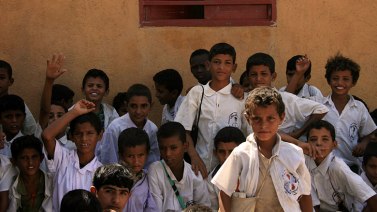
GPEs new Financing and Funding Framework (FFF) calls for enhancement of GPEs core funding mechanisms, through a focus on both improved operational efficiency and innovative approaches to mobilizing greater levels of resources from DCPs and development partners.
 Netherlands for the World Bank
You must be logged in to post a comment.