
Deadline: 23-Jan-2017 at 11:59:59 PM (Eastern Time – Washington D.C.)
The objective of the assignment is to (a) identify the nature and extent of point-sources  (PS) and non-point sources (NPS) impacting water quality of the Lake; (b) provide options for appropriate targeted infrastructure investments as pollution control management; and (c) provide recommendations for a Government-led integrated Lake Basin Management plan which will inform the monitoring and evaluation system during the implementation of the government’s Tourism Development Program in Lake Toba. The Consultant will also facilitate a stakeholder process to agree on the roadmap for the improvement and preservation of the water quality in Lake Toba.
 Budapest Water Summit, water has been widely acknowledged as a key to achieving the Sustainable Development Goals, and essential to the climate change solution.
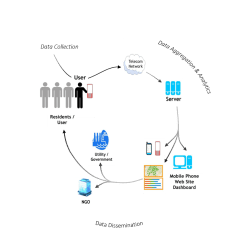

 screening of infrastructural intervention proposals.
 support data sharing, analysis, visualization and decision making (for example through automated alert triggering) in support of a shared early warning approach between MIDIMAR, RMA, RNRA, and District government teams. While the focus of this support will be at the national level, the firm will also develop a local early warning system utilizing the national platform in the Sebeya Basin.
 carried out with funding provided by a WB Technical Assistance Programme, in selected communities and municipalities in the Departments of Chuquisaca, Potosi, Cochabamba and Oruro. The baseline data will provide inputs for the Project design, including the implementation strategy in its water supply, energy and irrigation components; and the design of the community development and behavior change activities. The study will also set a baseline to monitor the project results and adjust its design and implementation if needed.
 Bank and International Finance Corporation (IFC), is assisting the Nouadhibou Free Zone (Mauritania) to ramp up the competitiveness of their fisheries cluster and to reduce the barriers to foreign direct investment. The deficiency in waste water treatment appears to be one of the critical infrastructure gap to be filled to switch to a more sustainable fish processing implementation.
 Netherlands for the World Bank
You must be logged in to post a comment.