This article was originally published on the IFC website.
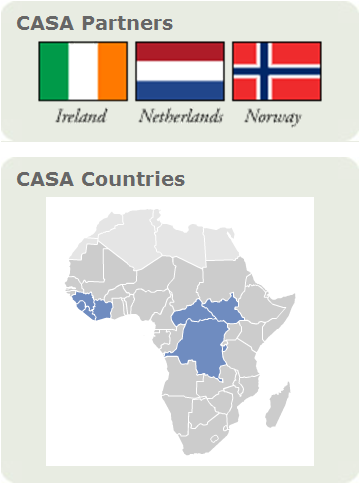
As part its efforts to re-engage with the 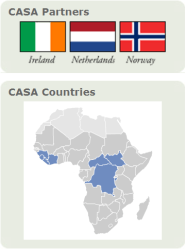 Central African Republic, IFC, a member of the World Bank Group, supported the organization of a five-day national forum on private sector development presided over by Catherine Samba-Panza, the country’s transitional Head of State. The forum was co-financed by IFC’s Conflict Affected States in Africa Initiative (CASA), which is supporting private sector growth in nine fragile countries in Africa (Burundi, CAR, Côte d’Ivoire, DR Congo, Guinea, Liberia, Mali, Sierra Leone, South Sudan). CASA is supported by donor partners Ireland, the Netherlands, and Norway.
Workshops during the forum focused on forestry, mining and agriculture as key development sectors, and introduced a public-private partnership (PPP) model to infrastructure development. Other key issues discussed included taxation, investment incentives, women entrepreneurship, and inclusion in the regional economy. IFC has previously worked with public and private sector partners in the CAR to improve the investment climate and support small business growth, particularly in and around the capital, Bangui.
Jean Christophe Carret, World Bank Country Manager for the CAR, said, “The World Bank Group is open to re-engagement with key internal and external stakeholders in the CAR to promote private sector-led growth through support to the health and infrastructure sectors, including transport and energy.” The forum’s goals included identifying bottlenecks hindering the development of the private sector, and nurturing a new economic development approach for the country

 On Tuesday, September 29, your Netherlands Embassy’s NL4WorldBank team, in close cooperation with the World Bank Group, the Netherlands Enterprise Agency (RVO), and the Ministry of Foreign Affairs, organized the first ever Clean Cookstove Webinar to address this issue.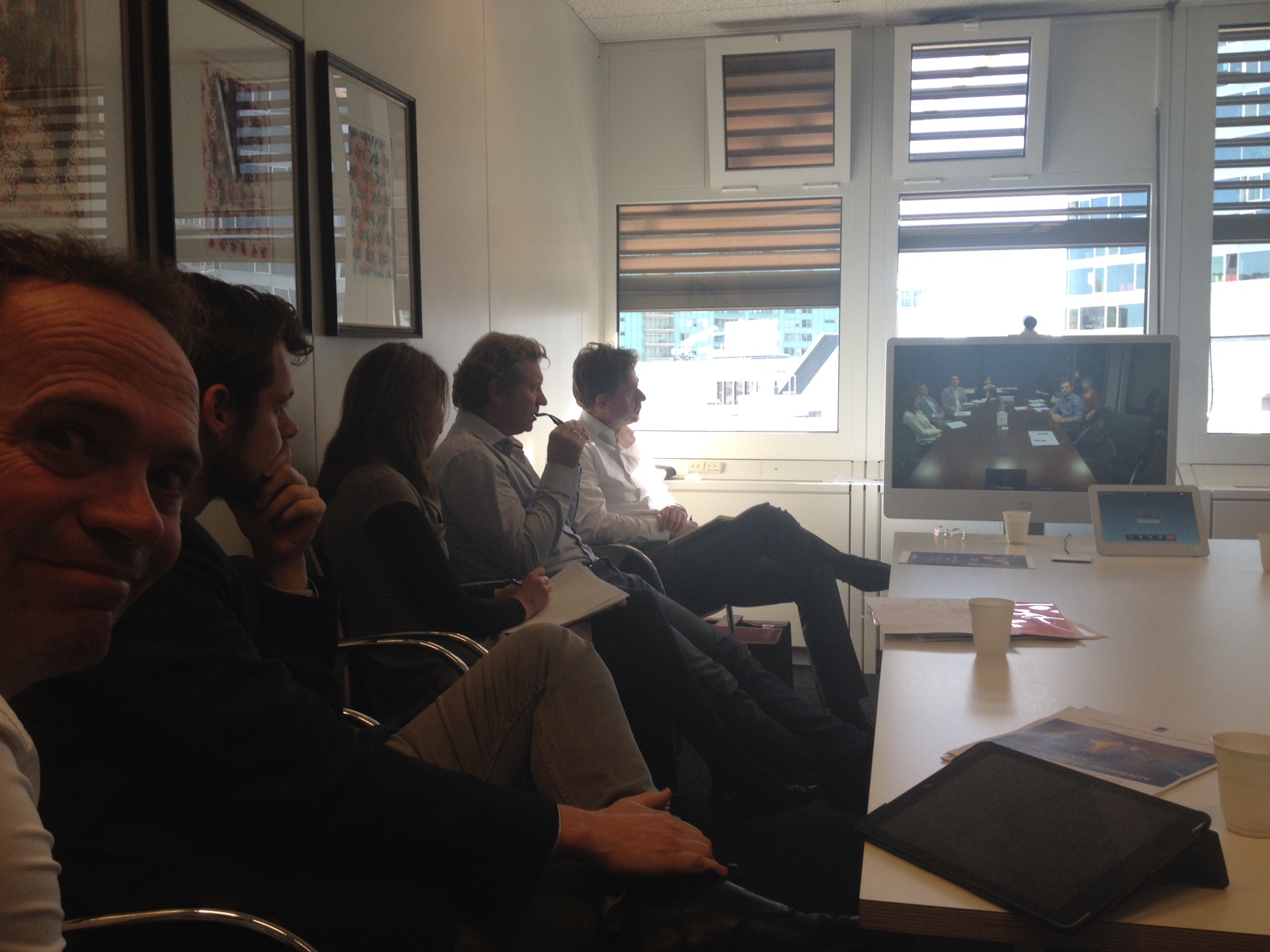

 Behind the scenes, the World Bank has been active in Greece for some time, says Heemskerk. ‘Many institutions don’t work. The country is corrupt. We have allowed that to happen in Europe. We have all looked the other way.’ The Greek crisis has a large impact in the region, he says. Countries like Bulgaria, where the World Bank has been a player for a long time, feel the pain.
 more often the verdict about development aid. To the contrary, is the conclusion after the largest evaluation ever: development organizations are effective and efficient.

 Netherlands for the World Bank
You must be logged in to post a comment.