Deadline: 12-Nov-2015 at 11:59:59 PM (Eastern Time – Washington D.C.)
IFC is seeking to conduct a comprehensive retail, supply and value chain analysis of the market for offgrid lighting products in Ethiopia.

Deadline: 12-Nov-2015 at 11:59:59 PM (Eastern Time – Washington D.C.)
IFC is seeking to conduct a comprehensive retail, supply and value chain analysis of the market for offgrid lighting products in Ethiopia.
 Data released by the International Finance Corporation (IFC), the private sector arm of the World Bank Group, shows that three Dutch banks were among the largest co-investors of the IFC in Fiscal Year 2015. Additionally, of the entire IFC portfolio, two of the five largest co-financiers were Dutch. Continue reading
Deadline:16-Nov-2015 at 11:59:59 PM (Eastern Time – Washington D.C.)
IFC and its agribusiness client in Mozambique are looking for a consulting firm with civil engineering and hydrology expertise to determine optimal locations for 100 to 150 small scale earthen water reservoirs within specific target catchments in two provinces. The location of the reservoirs will be recommended based on physical and social factors, which the consulting firm will have researched, analyzed and utilized in the development of its report.
A potential second phase of the project will include developing drawings and costs for up to 150 reservoir sites.
Deadline: 10-Nov-2015 at 11:59:59 PM (Eastern Time – Washington D.C.)
IFC intends to assist Government(s) in designing and successfully bidding waste water 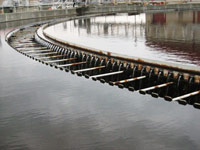 treatment plants in 3 cities to be developed on a public private partnership (PPP) basis (“Project”). IFC is keen to engage a consultant firm to undertake technical, environmental & social due diligence for the Project.
Deadline: 20-Oct-2015 at 11:59:59 PM (Eastern Time – Washington D.C.)
An annual Reach Survey of IFC clients  which lend to micro, small, and medium enterprises allows us to track financial institutions financing activity, and the development impact that IFC achieves through its private investments and advisory services in the financial sector.
IFC is in search of a consulting and technology service provider (Consultant) that will help to improve the efficiency and quality of the IFC Reach Survey process. Through the IFC Reach Survey Streamlining project, IFC intends to: Continue reading
Deadline: 15 October 2015
The purpose of the study is to assess the  nature of private health markets and identify private sector players and opportunities in Vietnam, Cambodia, Indonesia, Myanmar and the Philippines. In addition to a detailed analysis of private health markets, the study also includes a mapping of the main private sector players, including hospitals, diagnostics, primary care providers, medical technology and equipment, pharmaceuticals and long-term elderly care.
The Australian Department of Foreign Affairs and Trade (DFAT) and the IFC have recently established a research platform to support private sector analysis in developing economies in East Asia and the Pacific. DFAT and IFC recognize the need to better understand the role of the private health markets in East Asia and to identify opportunities to support private sector projects that deliver developmental impact and reach low-income segments.
See full tender here: # 1201450 Private health markets analysis in East Asia
eConsultant2 website: https://wbgeconsult2.worldbank.org
Tender notification: #1201450
Assignment Countries:
– Vietnam
– Indonesia
– Cambodia
– Myanmar
– Philippines
Every year over 4 million people, mostly women and children, die due to air pollution caused by unhealthy cookstoves and other heat sources.  On Tuesday, September 29, your Netherlands Embassy’s NL4WorldBank team, in close cooperation with the World Bank Group, the Netherlands Enterprise Agency (RVO), and the Ministry of Foreign Affairs, organized the first ever Clean Cookstove Webinar to address this issue.
How it works
Geared towards the Dutch private sector, the webinar offered the participants the chance to pitch their companies’ cookstove or related product to a group of World Bank staff all working on cookstove projects across the world. Continue reading
On Tuesday, September 29, your 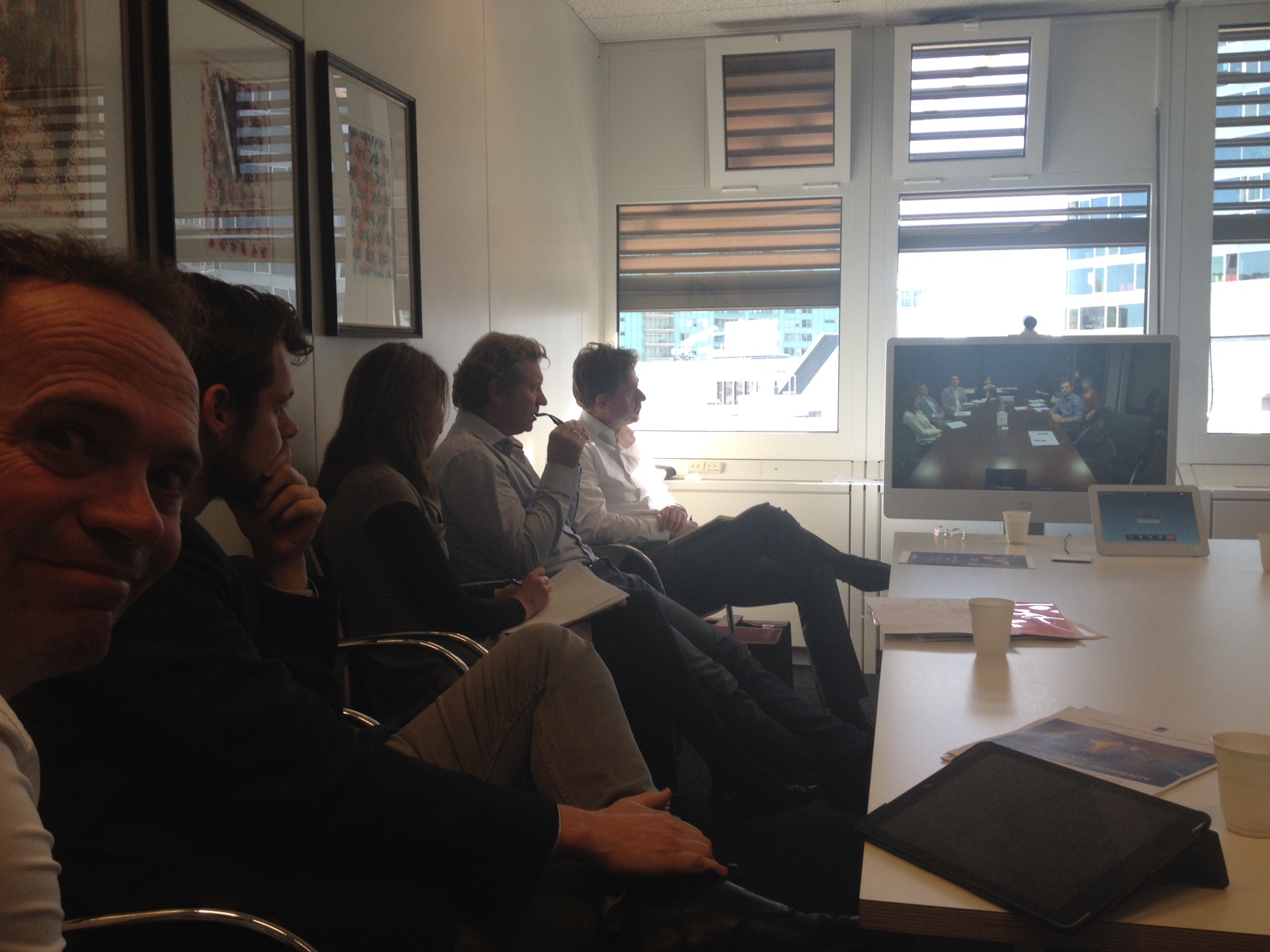 NL4WorldBank team at the Netherlands embassy, in close cooperation with the World Bank Group, the Netherlands Enterprise Agency (RVO), the Ministry of Foreign Affairs and the Global Alliance for Clean Cookstoves, organized the first ever Clean Cookstove Webinar.
You will find the audio recording of the webinar here. The initial clip is a preview – click on ‘download’ to hear the entire recording.

This webinar discusses how PPPs can be a mode for infrastructure financing, with a focus on the Middle East and North Africa (MENA) region. Topics to be covered include:
Article originally posted on the World Bank website.
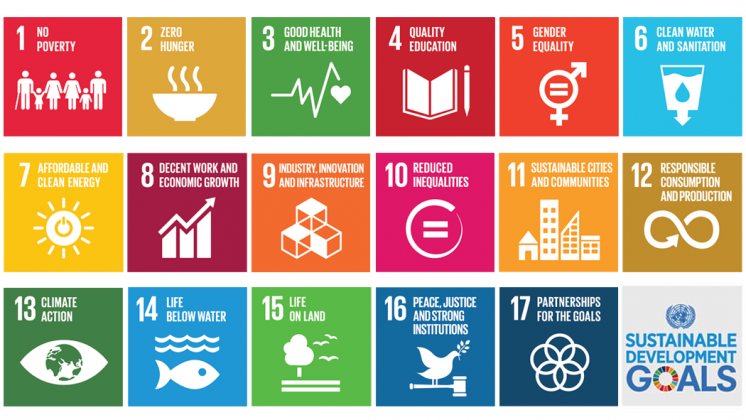
Multilateral Development Banks (MDBs) and the International Monetary Fund (IMF) hailed today’s adoption of a sustainable development agenda for the next generation and are fully committed to stepping up their support to ensure its success.


You must be logged in to post a comment.