
The Law, Justice and Development (LJD) Week is an annual conference organized by the Legal Vice Presidency of the World Bank in collaboration with partners within and outside the World Bank Group (WBG). It convenes participants from across the globe to meet and share knowledge, as well as to network and strengthen relationships for collaboration and collective action in the sphere of law, justice and development. The mission of WBG is to end extreme poverty and boost shared prosperity on a livable planet. To achieve sustainable, durable and inclusive development, WBG works in partnership with other development finance institutions (DFIs), international organizations, the public and private sectors, academia and civil society.
The theme of this year’s conference is Partnering for Impact: Enabling and Mobilizing the Private Sector for Sustainable Development. DFIs have an indispensable role to play in addressing global polycrises that undermine many of the development gains made to date and threaten most of the urgent priorities going forward. The scale of these challenges is beyond the capacity of the public sector alone and requires both private finance for private sector investments and private finance for public sector spending. LJD Week 2023 will examine how the various development partners can optimize their collaboration with particular emphasis on enabling and mobilizing the private sector. Please join us in person at the WBG Headquarters in Washington, DC or online on November 13-15, 2023.
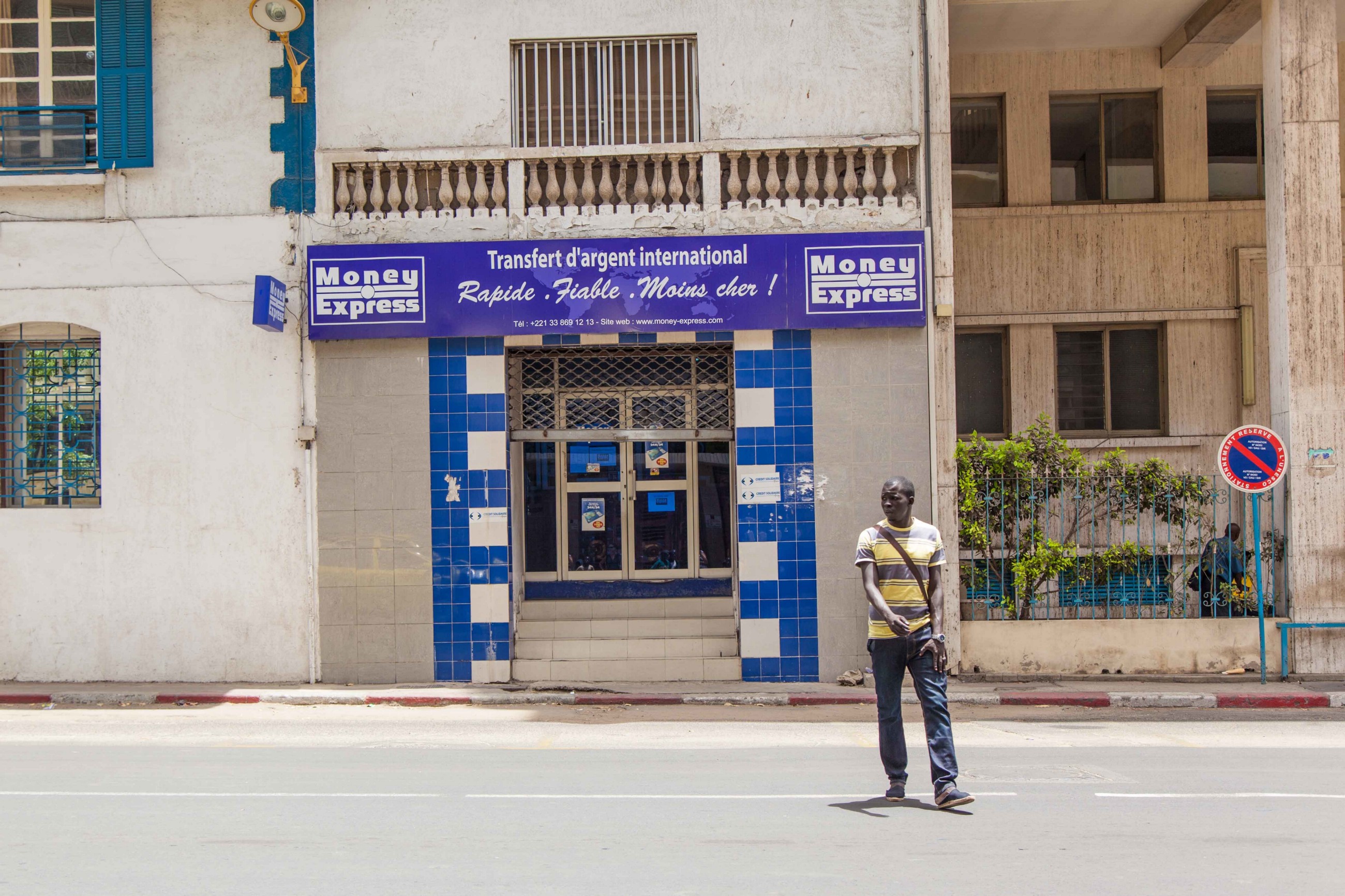 With this access, new products and services are being developed to facilitate convenient usage of these accounts. Taking this a step further, healthy financial inclusion incorporates customers’ ability to balance income and expenses, build and maintain reserves, and to manage and recover from financial shocks using a range of financial tools. The most useful financial services are those that provide customers with convenience, and support resilience through enhanced ability to weather shocks and pursue financial goals; effectively supporting the financial health of the user.
 Deadline: 05-Jul-2018 at 11:59:59 PM (Eastern Time – Washington D.C.)
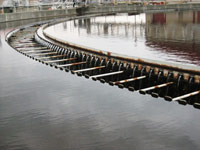 world but this is usually done in an ad-hoc basis and is not part of a long-term national strategy or policy. There are successes and failures around the world and information on the technological options abound, but there is much less information available on the institutional, regulatory and policy frameworks that incentivize these schemes nor on the financing/contractual arrangements behind these approaches. Many developing countries still think of wastewater as a waste; as something that needs to be treated and discharged. There is a need to move from a linear to a circular thinking.
 Netherlands for the World Bank
You must be logged in to post a comment.