
Deadline: 18-Mar-2019 at 11:59:59 PM (Eastern Time – Washington D.C.) 
The Energy Sector Management Assistance Program (ESMAP) is a donor-funded global knowledge and technical assistance program, administered by the World Bank. ESMAP provides analytical and advisory services to low- and middle-income countries to increase their know-how and institutional capacity to achieve environmentally sustainable energy solutions for poverty reduction and economic growth. ESMAP is commissioning an external evaluation of its program. The objective of the evaluation is to draw lessons from the operational processes and implementation of the FY17-20 Business Plan, including the achievement of the intended results and the efficiency of operational processes, and use the conclusions and recommendations for reflection, learning and strategic adaptation of the program for the next business plan. The ESMAP Program Secretariat and the Consultative Group will be the primary users of the evaluation.


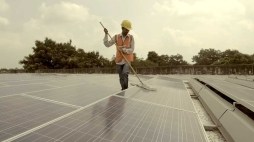 in one of India’s most remote tribal areas—a place so isolated that it’s not just off the power grid, it’s also absent from most maps. She and her community, the Asur tribe, are based in the eastern state of Jharkhand. Nearly half of the people in this isolated territory lack access to electricity—the highest percentage of any state in India.
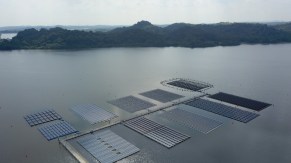 solar energy around the world, especially in countries with high population density and where land is a constraint
 emerging carbon pricing initiatives around the world including national, sub-national and corporate activities, emissions trading systems, carbon taxes, and crediting mechanisms Building on the efforts made in 2018, it will include a discussion on the carbon pricing trends. It will also address the feedback received last year and focus on developing clearer lessons learned from the various carbon pricing initiatives and from various publications (including WBG ones), improved infographics featuring key facts and numbers. In addition, it will feature a section on the various ways to price carbon, including through implicit and negative carbon pricing policies. Finally, the report will continue to complete the online dashboard that was launched in 2017, and which allows for direct access to this data and more regular updates. This report is expected to have approximately about 50 pages.
 following criteria (a) the size of PLN grid (5-150MW); (b) high average generation cost; and (c) electrification rate below 90%. The selected islands will be communicated to the Consultant before the start of the assignment. They are all located in the Eastern Islands and were divided into three groups, (i) islands with a small installed generation capacity and limited electrification, (ii) islands with an installed generation capacity of 50-150 MW with only diesel generation and very high average generation cost and (iii) islands with an installed generation capacity of 50-150 MW with diesel and coal generation and high average generation cost.
 that hosts energy data provided by the WBG and other development partners) to develop new apps to respond to existing and upcoming needs from our clients, the private sector, and key development partners, and also consolidate those apps already developed and provide a more standardized user experience. ESMAP proposes to issue a new Master Agreement contract covering the development of new apps, consolidation of existing apps, curation of new and existing datasets, user interface improvements and routine maintenance of the ENERGYDATA site and all its current and future subdomains.

You must be logged in to post a comment.