
Deadline: 23-Jan-2020 at 11:59:59 PM (Eastern Time – Washington D.C.) 
In each country, the main objectives of the planned PER are:
1. To identify strategic programs and activities in the water sector, consistent with its other objectives particularly those related to macroeconomic stability and public financial management
2. To make assessment of the funding gaps and efficiency gaps (both allocative efficiency and technical efficiency) in the water sector and develop appropriate polices for improving efficiency and effective channelization of financial resources to reach agreed sector goals.
3. To support the design and delivery of effective water services.
 and ultimately of development benefits and livelihoods.
 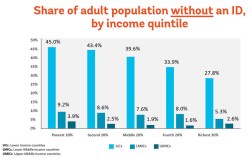 Peruvians, they left behind all of their possessions, including their IDs and other documents. Without an ID,
  the future of work. Will robots replace humans in the work place? Will digital technologies create a new “digital divide” and widen inequalities between the higher-educated connected and lower-educated unconnected people? Will new opportunities open up for African countries to create jobs, improve incomes, reduce poverty and climb up the development ladder?
 as well as scope out opportunities for impactful private sector interventions structured around circular supply chain for plastics. The assessment will specifically focus on the food & beverage and textile/garment value chains and associated packaging activities in Nigeria. It will look into overall market size for applicable types of plastics, current practices for the use of plastics material, as well as recycling, reuse and disposal practices. The study will scope out value chain players and opportunities to increase the circularity linkages, including through offset of the virgin raw materials.
 quantity and quality of livestock commodities produced in the county by the key value chain actors. More specifically, the LIFS project focuses on improved productivity across the red meat value chain from livestock production to slaughter, processing and access to markets.
 achieving sustainable RMNCAH results by strengthening the health systems and support progress towards universal health coverage (UHC).
 headlines, just a decade after the global financial crisis of 2008-2009.
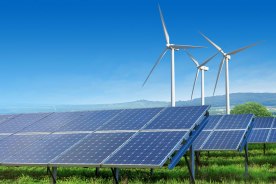 Business and Financial Models by engaging with a select number of entrepreneurs, financial institutions, end-users (farmers), other stakeholders, to co-create innovative business and financial models, to help unlock the growth of the off-grid PV market in Egypt in the agriculture sector. 2) Build Capacity of Select Banks Interested in PV , by working with banks which would have stated interest in engaging directly with the market/farmers on a pilot basis. 3) Strengthening the Entrepreneurship Ecosystem Providing by providing support to 6 8 advanced PV entrepreneurs (existing solar / PV firms) with the objective of designing a program that is relevant to the needs of entrepreneurs at this level. 4) Exploring Opportunities with Early Stage Investors to support or develop early stage finance mechanism(s) to deploy capital targeting firms innovating in the off-grid PV market.

You must be logged in to post a comment.