eConsultant2: Converting Biomass to Energy: A Guide to Developers and Investors

Deadline: 12-Oct-2015 at 11:59:59 PM (Eastern Time – Washington D.C.)

light-bulb-297489_640Enhancing access to power is a key priority for the IFC and biomass is an area of growing global importance. The overall objective of the study is to develop a white paper that would help build capacity among key stakeholders, as biomass continues to grow into and become a more important contributor to meet the energy needs in emerging countries.
Continue reading

eConsultant2: Consultancy Services for development Investment Plan Bangladesh Delta Plan 2100 (BDP 2100)

Deadline: 08-Oct-2015 at 11:59:59 PM (Eastern Time – Washington D.C.)

delta

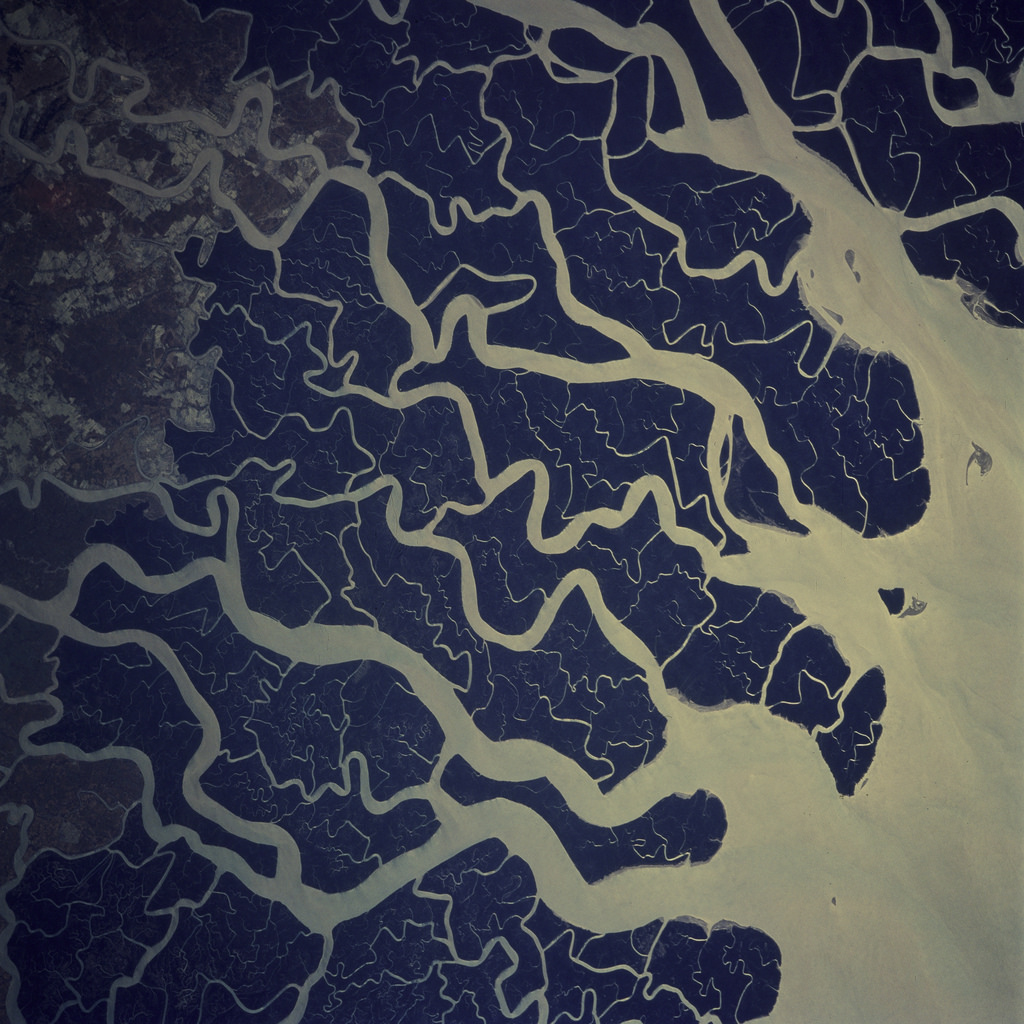
The Government of Bangladesh (GoB) is in the process of developing the Bangladesh Delta Plan 2100 (BDP2100).Based on concept notes prepared by the BDP2100 team and by additional verification and consultation, the Consultant will review the baseline studies conducted by the BDP2100 team; assess each of the priority short and medium term projects identified for investment in consultation with stakeholders and the BDP2100 team; develop in consultation with all relevant stakeholders from the public and private sector a list of nominated projects; and for each project prepare detailed descriptions, which would be included in the final report the BDP2100 Investment Plan.The implementation period for this assignment is over a period of 12 months.
Continue reading

IFC Reengagement with the Central African Republic’s Private Sector

This article was originally published on the IFC website.

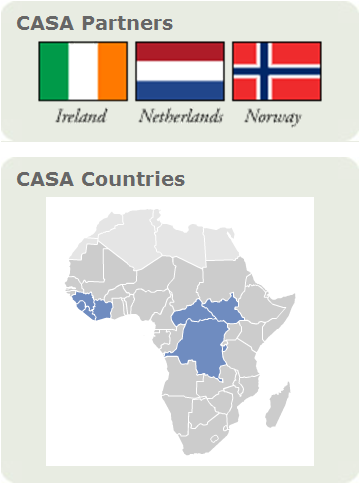
As part its efforts to re-engage with the CASACentral African Republic, IFC, a member of the World Bank Group, supported the organization of a five-day national forum on private sector development presided over by Catherine Samba-Panza, the country’s transitional Head of State. The forum was co-financed by IFC’s Conflict Affected States in Africa Initiative (CASA), which is supporting private sector growth in nine fragile countries in Africa (Burundi, CAR, Côte d’Ivoire, DR Congo, Guinea, Liberia, Mali, Sierra Leone, South Sudan). CASA is supported by donor partners Ireland, the Netherlands, and Norway.
Workshops during the forum focused on forestry, mining and agriculture as key development sectors, and introduced a public-private partnership (PPP) model to infrastructure development. Other key issues discussed included taxation, investment incentives, women entrepreneurship, and inclusion in the regional economy. IFC has previously worked with public and private sector partners in the CAR to improve the investment climate and support small business growth, particularly in and around the capital, Bangui.

Jean Christophe Carret, World Bank Country Manager for the CAR, said, “The World Bank Group is open to re-engagement with key internal and external stakeholders in the CAR to promote private sector-led growth through support to the health and infrastructure sectors, including transport and energy.” The forum’s goals included identifying bottlenecks hindering the development of the private sector, and nurturing a new economic development approach for the country

eConsultant2: Ghana MSME Investment and Gender IE baseline survey Firm contract

Deadline: 01-Oct-2015 at 11:59:59 PM (Eastern Time – Washington D.C.)

The first step in setting up this experiment is to conduct a listing of up to 12,00Survey0 households in business areas of Accra Metropolitan Area and surrounding localities, in order to constitute a sample frame. We will then identify within this frame a sample of 3,000 households that include at least one woman running a small business and implement the baseline survey among these households.

Continue reading

Examining the World Bank’s radical procurement overhaul

Article published by the Chartered Institute of Procurement & Supply (CIPS) magazine Supply Management on September 8, 2015.

Will Green looks at how the World Bank’s radical overhaul of its procurement processes will affect the organisation and its clients.

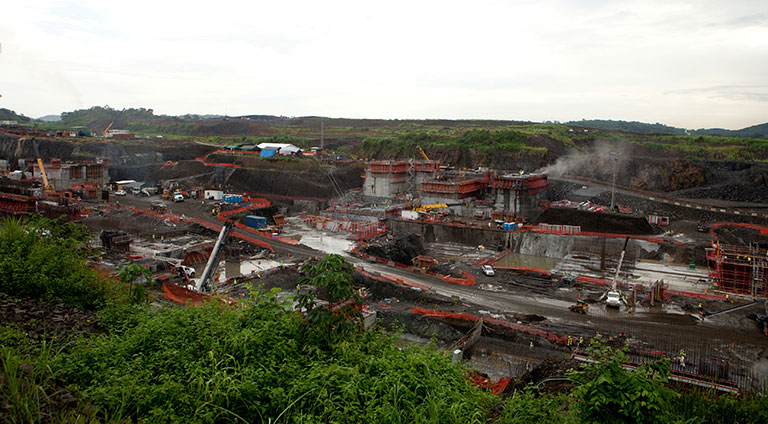
Construction works for the Panama Canal expansion project – one of the infrastructure projects financed by the World Bank. © Gerardo Pesantex/World Bank

Construction works for the Panama Canal expansion project – one of the infrastructure projects financed by the World Bank. © Gerardo Pesantex/World Bank

How many organisations spend $44 billion each year in 178 countries, including the most war-torn nations, finance enormous infrastructure projects such as the Panama Canal expansion scheme and support social development in the poorest countries?

Then ask, how would you go about developing a procurement strategy for such an organisation? This is the challenge the World Bank faced as it set about reforming a procurement system unchanged since the 1970s.

Continue reading

World Bank to extend loans to Greek companies

Article originally published in Het Financieele Dagblad on September 7, 2015 by Gerben van der Marel. This is an abstract, full article available through the FD website.

The World Bank will offer more help to relatively wealthy countries going through a crisis, like Greece. Talks are underway with the Greek private sector regarding a ‘substantial’ package of investments, according to Frank Heemskerk, Executive Director at the development bank in Washington.

FotoBehind the scenes, the World Bank has been active in Greece for some time, says Heemskerk. ‘Many institutions don’t work. The country is corrupt. We have allowed that to happen in Europe. We have all looked the other way.’ The Greek crisis has a large impact in the region, he says. Countries like Bulgaria, where the World Bank has been a player for a long time, feel the pain.

Remainder in Dutch.

Continue reading

IFC investment in Dutch Africa Improved Foods (Holding) (AIFH) in Rwanda

On July 7, 2015, the IFC and the AIFH have AIFHsigned an agreement for a $21.5 million loan and $4.5 million equity investment by IFC in AIFH. This loan comes with support from the Dutch-funded Global Agriculture Food Security Program (GAFSP), and is intended for the construction and operation of a 45,000 tons per year processing plant in Rwanda for fortified cereals to treat child malnutrition. Continue reading

eConsultant2:Doing Business in Kenya 2016 data collection for Starting a business

WBG is looking to hire a professional association, to act as a Consultant Organization to collect data on starting a business, registering property, and enforcing contracts indicators for the forthcoming Doing Business in Kenya study. In order to complete the data collection phase for this project, the Consultant Organization will supervise datData collectionsa collection for the three indicator areas. The Consultant Organization will identify questionnaire respondents, who are known practitioners in the areas benchmarked (e.g. lawyers, conveyancers, etc.).

Continue reading

IFC investment in Dutch Afriflora

Earlier this year the IFC proposed, and theAfriflora Board of Directors approved, an investment in the Dutch Afriflora Group. The agreement was signed on April 13, and the investment made a month later, on May 13, 2015. The investment consists of an IFC and MCPP senior secured €90 million (US$112 million equivalent) loan.

Afriflora is a family-run manufacturer and marketer of cut-rose products based in Ethiopia. Continue reading

IFC and Dutch investment banks team up

Data released by the International Finance Corporation (IFC), the private sector arm of the World Bank Group, shows that Dutch investment bank FMO was the largest co-investor of the IFC in Fiscal Year 2014. Additionally, of the entire IFC portfolio, two of the five largest co-financiers were Dutch.

The IFC invests in private sector entities IFC and the Dutchthat are active in developing countries. However, as described in a previous blog post, the IFC’s share of the investment is typically no more than 25-35%. The remainder has to come from other investors. Continue reading