Deadline: 12-Jul-2016 at 11:59:59 PM (Eastern Time – Washington D.C.)
The Scope of Services and Responsibilities

1. Collect data from agricultural producers (farmers and aggregators) on fruits, vegetables and dairy in the project areas in Kyrgyzstan (with focus on dairy in Issyk Kul region), Tajikistan and Uzbekistan;
2. Analyze the existing situation with farmers on their available resources (land, crops, machinery, equipment, inputs, supply, finance, etc);
3. Map existing management practices and processes (planting, harvesting, storage, feeding, milking, housing, etc.), determine advantages and disadvantages in each practice and process;
4. Conduct market and field research to identify alternative, economically advantageous management options;
5. Analyze the economics of proposed management and production options;
6. Together with the team of international and local consultants, test proposed management options under the local conditions for the economic viability that would lead to the reduced cost and increased output;
7. Source alternative suppliers of inputs, equipment and machinery available in the market;
8. Monitor implementation process and undertake necessary actions to gain results;
9. Work with team of international and local consultants to coordinate research and recommendations;
Continue reading →

 India is the world’s largest producer as well as consumer of milk and milk products. India nevertheless faces a shortage of milk and milk products due to increasing demand from the fast growing middle class in the country.
 climate change and green growth agenda with a US$90 million credit for policy reforms aligned with the World Bank Group’s Climate Change Action Plan.
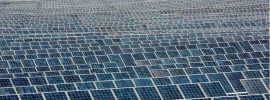 Broad-Based Black Economic Empowerment Shareholder participation in the Renewable Energy Independent Power Producer Program (REIPPP) including by improving the accessibility and terms of financing for B-BBEE equity and increasing the ability of B-BBEE shareholders to realize the benefit of their investment. This should include an assessment of the enabling conditions for primary market participation and also the constraints affecting the sale of B-BBEE shareholdings in REIPP projects. The same analysis could also be applied to other (non-renewable) projects procured under the Independent Power Producers Programme of the Department of Energy to the extent the B-BBEE position is similar.
 at helping countries make the best use of their public spending, the new Framework will enhance the strategic role of procurement in development effectiveness.
 World Bank for the design of a World Bank-financed project component that aims to hybridize with PV and expand access to electricity in some of the existing micro-grids (centres isolés) operated by NIGELEC in throughout Niger.

You must be logged in to post a comment.