
WASHINGTON, Jan. 13, 2026 —The World Bank’s Board of Executive Directors today approved three projects to help the Indian state of Assam increase resilience to extreme weather events, improve governance and service delivery, and provide more than 4 million students with the skills they need to succeed in the workforce.
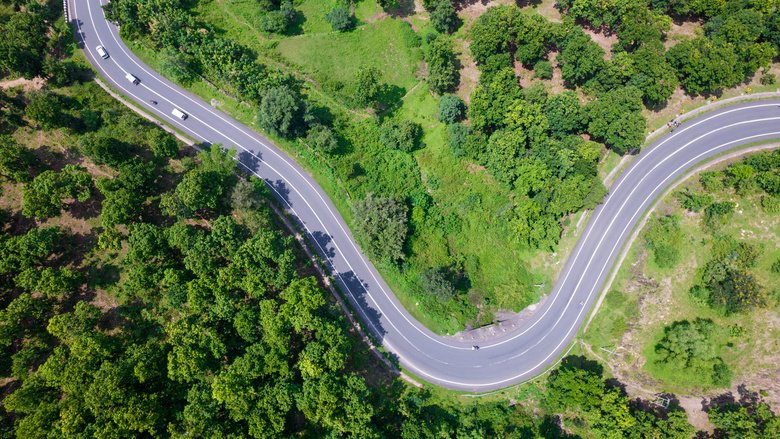
Assam, located in India’s northeast, is uniquely positioned as the gateway to Southeast Asia, offering strategic connectivity for regional trade and integration. At the same time, Assam faces challenges such as climate vulnerability, inadequate infrastructure, and multidimensional poverty, which hinder inclusive growth.
Continue reading
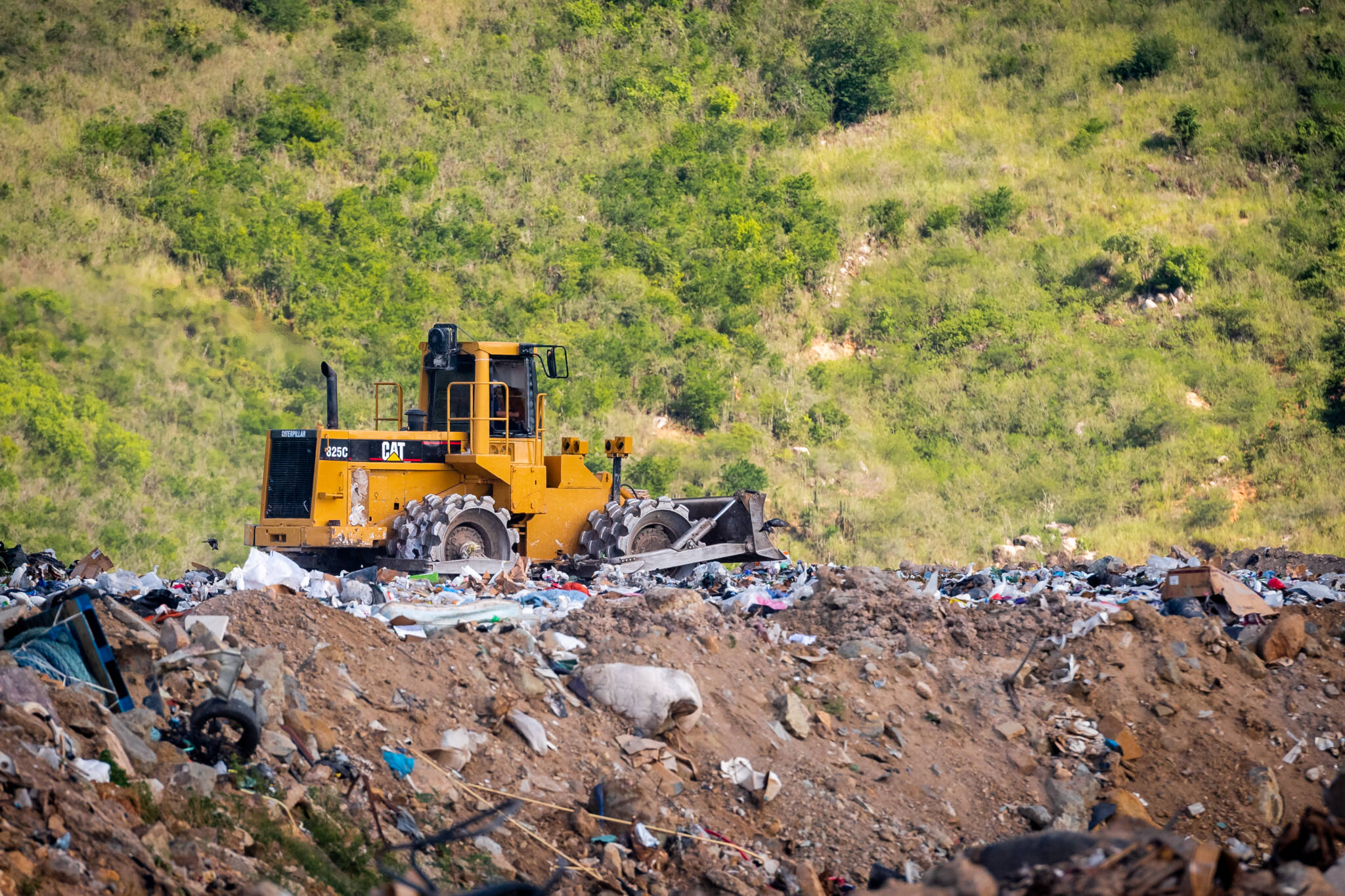 disposing solid waste at the two landfills on Pond Island into an integrated system of solid waste management.
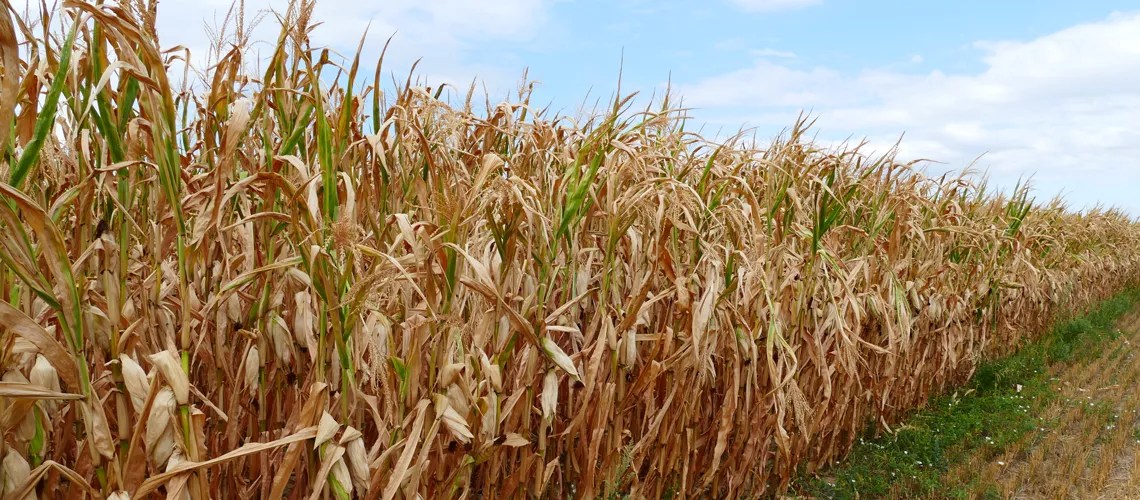 problem didn’t emerge overnight.

 biodiversity with Environment Ministers from the Group of Seven countries (Britain, Canada, France, Germany, Italy, Japan and the United States), along with delegations from countries such as Egypt, Fiji, India, Indonesia, Niger and Norway. Thanks to France’s leadership, the G7 meetings culminated in what is known as the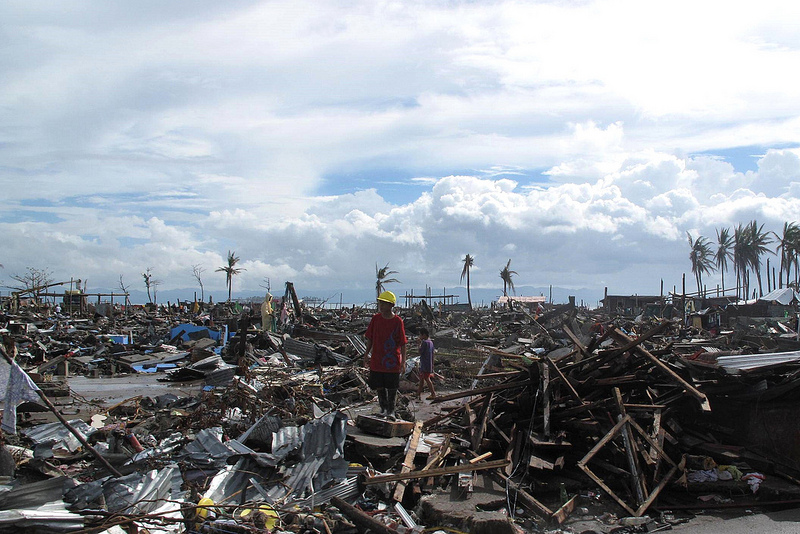
 contribute to improve transport connectivity and sustainability. Whilst local impacts are identified and addressed in site specific ESIA, the lake ecosystem is large, complex, multi-dimensional and dynamic. Understanding the social and environmental issues thus requires comprehensive observation and management at the catchment scale in a holistic manner. Given the wider scope of the interventions on the Lake Victoria basin (both at the ports, but also with the lake itself), with knock-on or cumulative effects on the lakes overall catchment area, a strategic planning framework for the development and protection of the lake, its dependents, and associated infrastructure is critically important. This assignment is designed to support the LVBC do that.
 Netherlands for the World Bank
You must be logged in to post a comment.