IFC Annual Report 2015

The IFC has published its Annual Report 2015. Some highlights have already been published earlier this week on this blog.

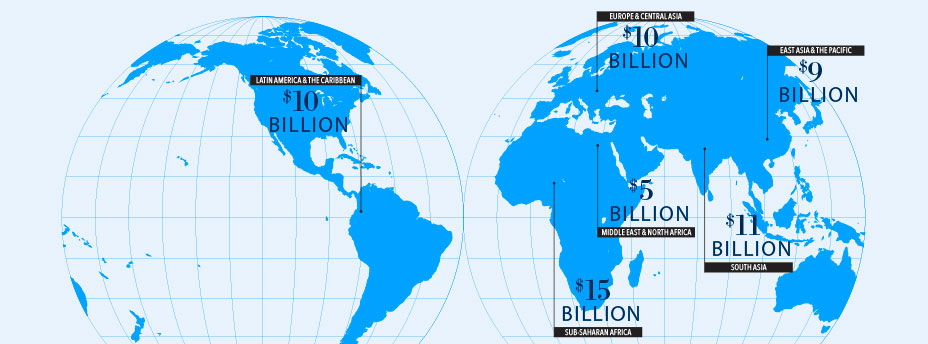
“In FY15, IFC invested nearly $18 WBG-Highlightsbillion, including more than $7 billion mobilized from other investors. Our comprehensive approach helped businesses innovate, build internationally competitive industrial sectors, and create good jobs.”

60billionThe World Bank Group maintained strong support for developing countries over the past year as the organization focused on delivering results more quickly, increasing its relevance for its clients and partners, and bringing global solutions to local challenges.

Please find the Annual Report here.

IFC Reengagement with the Central African Republic’s Private Sector

This article was originally published on the IFC website.

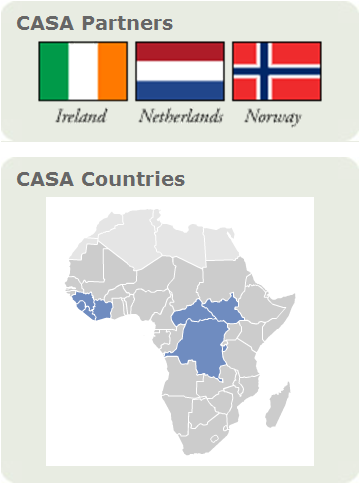
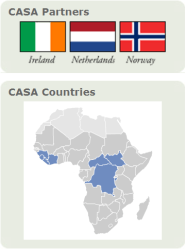
As part its efforts to re-engage with the CASACentral African Republic, IFC, a member of the World Bank Group, supported the organization of a five-day national forum on private sector development presided over by Catherine Samba-Panza, the country’s transitional Head of State. The forum was co-financed by IFC’s Conflict Affected States in Africa Initiative (CASA), which is supporting private sector growth in nine fragile countries in Africa (Burundi, CAR, Côte d’Ivoire, DR Congo, Guinea, Liberia, Mali, Sierra Leone, South Sudan). CASA is supported by donor partners Ireland, the Netherlands, and Norway.
Workshops during the forum focused on forestry, mining and agriculture as key development sectors, and introduced a public-private partnership (PPP) model to infrastructure development. Other key issues discussed included taxation, investment incentives, women entrepreneurship, and inclusion in the regional economy. IFC has previously worked with public and private sector partners in the CAR to improve the investment climate and support small business growth, particularly in and around the capital, Bangui.

Jean Christophe Carret, World Bank Country Manager for the CAR, said, “The World Bank Group is open to re-engagement with key internal and external stakeholders in the CAR to promote private sector-led growth through support to the health and infrastructure sectors, including transport and energy.” The forum’s goals included identifying bottlenecks hindering the development of the private sector, and nurturing a new economic development approach for the country

Improving Lives: Health & Education Strengthening Human Capital

Article originally published in the IFC’s Annual Report 2015.

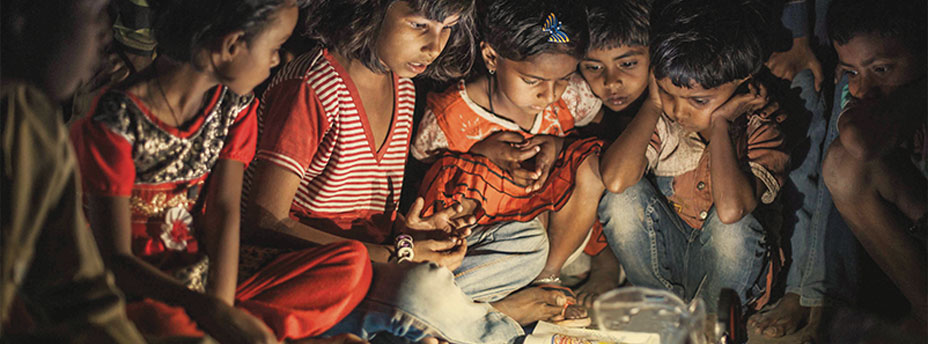
Across the world, more than a billion Health-Edu-Story-Bannerpeople lack access to quality health services. Nearly three-fourths of the 38 million worldwide deaths from chronic illnesses — such as cancer — occur in developing countries. Globally, more than 57 million children do not attend school, with 30 million of them in Africa alone.

These statistics highlight a major obstacle to ending extreme poverty and boosting shared prosperity: high-quality education and health-care services still aren’t as widely available and affordable as they need to be. This is a challenge that’s best addressed when the public and private sectors act in concert to advance the interests of society.

Continue reading

Building Resilience: Climate Change Helping Contain a Global Threat

Article originally published in the IFC’s Annual Report 2015.

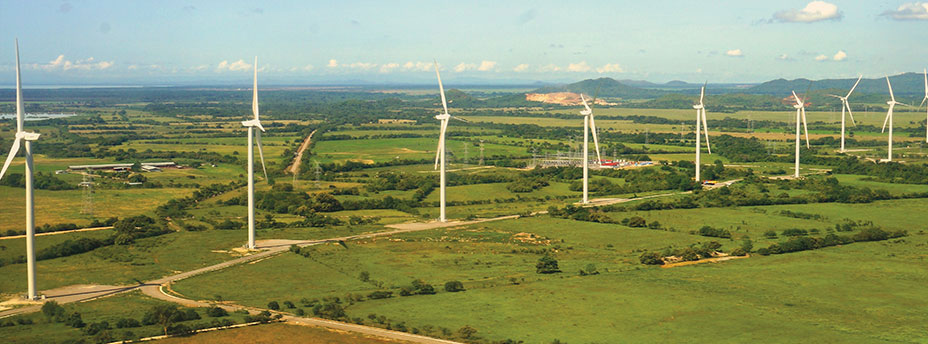
Climate change will hit developing Climate-Change-Story-Bannercountries hardest — posing significant threats to their efforts to tackle water, energy, and food-supply needs.

Developing countries will need large sums of money to cope with climate change: up to $1 trillion a year. The private sector has an indispensable role to play, and IFC is at the forefront in mobilizing private capital to address climate change.

We provide finance and advice for energy-efficient and renewable-energy solutions — such as green buildings and solar power. Since 2005, we have made long-term investments totaling more than $13 billion in climate-related projects. This includes $2.3 billion in 103 projects in 31 countries in FY15. We also mobilized $2.2 billion from other investors.

Continue reading

Building Resilience: Agribusiness Feeding the World Sustainably

Article originally published in the IFC’s Annual Report 2015.

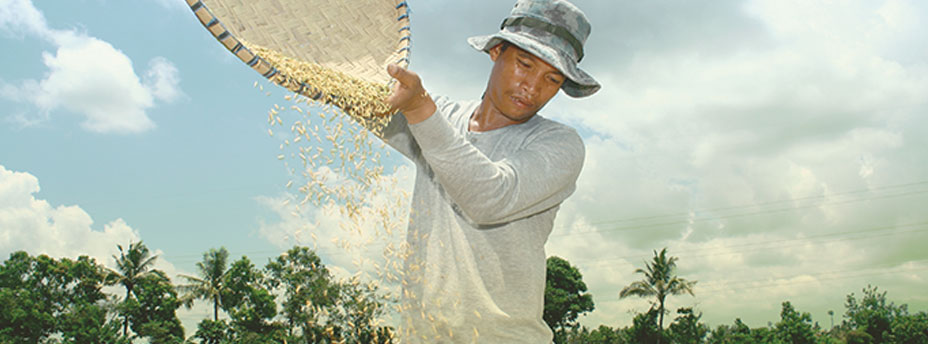
By 2050, the worldwide demand Agrabusiness-Story-Bannerfor food and crops will double. That poses a formidable challenge for the global community: how to feed the world’s expanding population without depleting its already scarce resources.

IFC is partnering with the private sector to address the challenge. Through our agribusiness investments, we aim to increase the supply of affordable and nutritious food, and ensure it is available to those who need it most.

In FY15, our agribusiness-related investments across the food supply chain totaled $3.2 billion, including funds mobilized from other investors. These investments in production, food processing, logistics, and distribution helped benefit 3.4 million farmers worldwide.

Continue reading

“Universal health coverage in a generation is achievable”

This article was published on September 15 on the World Bank website.

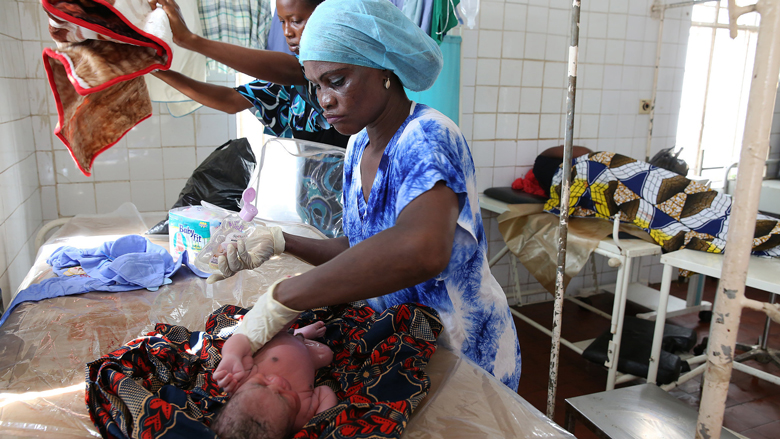
As the father of four children, I know nurse-cleans-newborn-sierra-leone-hospitalhow important access to good, quality health care is. All parents aspire to be able to provide the same for their children. That’s why we at the World Bank Group are working with our partners around the globe to make universal health coverage a reality for all.

Today, universal health coverage means that citizens get the health care they need without suffering severe financial hardship Continue reading

Shortage of Long-Term Finance Blunts Progress in Developing Countries

Article originally published here

Long-term finance is essential for households, firms and sustainable development.

WASHINGTON, September 14, 2015—A shortage of long-term financing since the 2008 crisis is choking the investment-backed growth of companies in developing countries and hampering the ability of credit-worthy families to borrow for education and housing needs and escape poverty, a new World Bank report warned today.

According to the new report: ‘Global Financial Development Report 2015-2016: Long-term Financing,’ extending the maturity structure of finance is considered to be at the core of sustainable financial development. ( Full report available: www.worldbank.org/financialdevelopment )

Continue reading

Multilateral Development Banks and Safeguards

This piece is an abstract. Article originally published in the Huffington Post. on September 8. Full article can be viewed on its website.

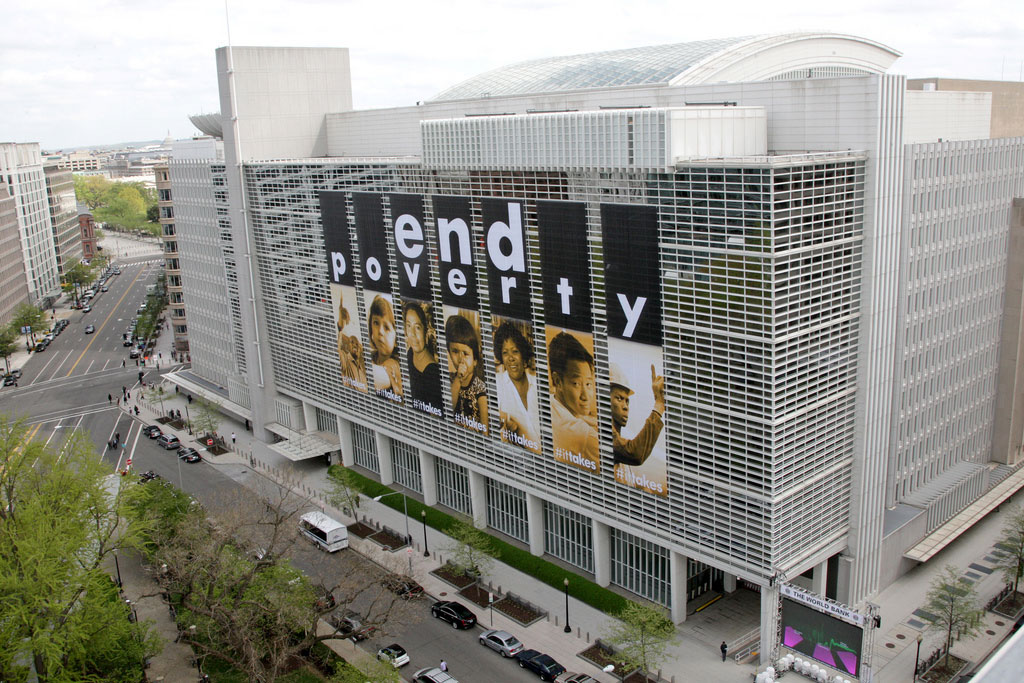
Independent evaluations at multilateral WB HQdevelopment banks (MDBs) have called for a reform of the system of safeguards that they use to deflect potential damages to communities and the environment associated with the investments they finance. Without such mitigation, roads can harm habitats, dams displace communities and slum rebuilding hurt livelihoods. The purpose of reform, the reviews stressed, should be to improve environmental and social outcomes of safeguards, while reducing inefficiencies in their implementation. Continue reading

Examining the World Bank’s radical procurement overhaul

Article published by the Chartered Institute of Procurement & Supply (CIPS) magazine Supply Management on September 8, 2015.

Will Green looks at how the World Bank’s radical overhaul of its procurement processes will affect the organisation and its clients.

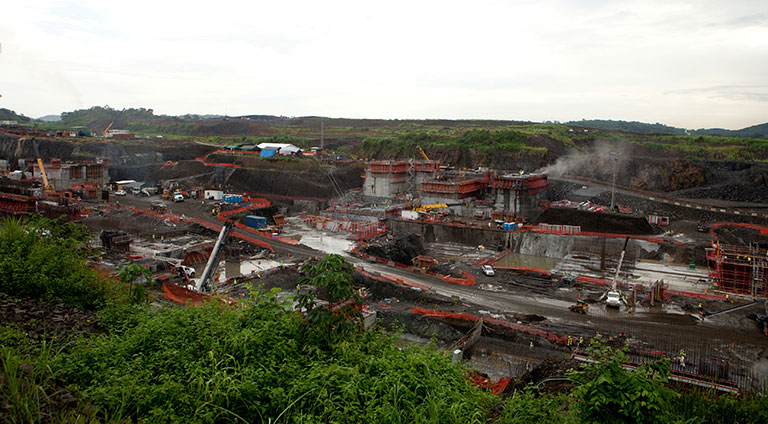
Construction works for the Panama Canal expansion project – one of the infrastructure projects financed by the World Bank. © Gerardo Pesantex/World Bank

Construction works for the Panama Canal expansion project – one of the infrastructure projects financed by the World Bank. © Gerardo Pesantex/World Bank

How many organisations spend $44 billion each year in 178 countries, including the most war-torn nations, finance enormous infrastructure projects such as the Panama Canal expansion scheme and support social development in the poorest countries?

Then ask, how would you go about developing a procurement strategy for such an organisation? This is the challenge the World Bank faced as it set about reforming a procurement system unchanged since the 1970s.

Continue reading

World Bank to extend loans to Greek companies

Article originally published in Het Financieele Dagblad on September 7, 2015 by Gerben van der Marel. This is an abstract, full article available through the FD website.

The World Bank will offer more help to relatively wealthy countries going through a crisis, like Greece. Talks are underway with the Greek private sector regarding a ‘substantial’ package of investments, according to Frank Heemskerk, Executive Director at the development bank in Washington.

FotoBehind the scenes, the World Bank has been active in Greece for some time, says Heemskerk. ‘Many institutions don’t work. The country is corrupt. We have allowed that to happen in Europe. We have all looked the other way.’ The Greek crisis has a large impact in the region, he says. Countries like Bulgaria, where the World Bank has been a player for a long time, feel the pain.

Remainder in Dutch.

Continue reading