
Deadline: 10-Apr-2018 at 11:59:59 PM (Eastern Time – Washington D.C.) 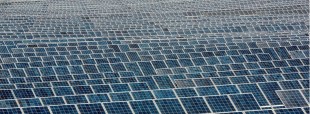
Objective: The objective of this assignment is to carry out a feasibility study for the development of up to three utility-scale solar PV plants with battery storage, combined or separate, with a total installed capacity of 20-30 MWp to provide additional lower-cost generation and improve grid stability. The feasibility study is the centerpiece of Phase I of a potential two-phased assignment composed of: Phase I – Feasibility study, and Phase II Project design and tendering. The consultant will provide the optimal portfolio of solar PV plants taking into account technical, solar resource, environmental and land constraints. The assessment will focus on the technical, commercial and institutional aspects required to develop a sustainable project, including potential sites around Bissau-city, interior and southern regions.
Continue reading
 Deadline: 03-Apr-2018 at 11:59:59 PM (Eastern Time – Washington D.C.)
 I
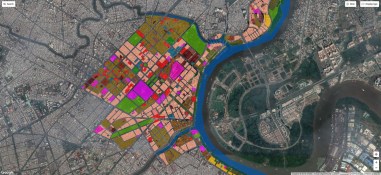
I expansion to climate change, disaster resilience, and social inclusion, are intimately tied to land and the way it is used. Addressing these challenges while also ensuring individuals and communities are able to make full use of their land depends on consistent, reliable, and accessible identification of land rights.



 We are excited to bring you the first 2018 edition of the
  When it comes to infrastructure projects, “unsolicited proposals” (USPs) represent an alternative to the traditional project initiation method where the private sector, rather than the government, takes the leading role in identifying and developing a project. In practice, many public authorities across the world resort to USPs motivated by the perspective of solving the challenges brought by their lack of capacity to identify and develop projects. However, many projects that originate as USPs experience challenges, including diverting public resources away from the strategic plans of the government, providing poor value for money, and leading to patronage and lack of transparency, particularly in developing countries. To ensure governments can mobilize the strengths of the private sector while protecting the public interest, USPs, when accepted, should be managed and used with caution as an exception to the public procurement method.

You must be logged in to post a comment.