
Downtown Yerevan. Gusty winds, frosty air. Inside a hotel in the town square, cocktails and canapés, speeches and signatures. On this evening in November 2016, representatives of the State Committee for Water Economy (the Armenian water authority) and Veolia (a large international water operator) gathered to celebrate the signing of a new partnership: a 15-year national lease to provide water and wastewater services for the whole country. The lease began in January 2017, thus marking the start of a “second generation” of water PPPs in Armenia. Solid gains had already been made under the “first generation” between 2000 and 2016. At this crucial juncture, a World Bank study reviewed Armenia’s experience so far and analyzed the way forward under the new national lease.


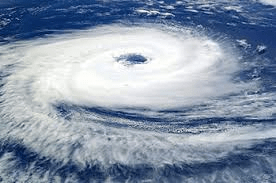 recorded in the Southern Hemisphere, impacting 62% of the Fiji population and caused F$2 Billion in damage (20% of GDP). It killed 44 people, injured hundreds and left 131,000 people homeless. The Category 5 storm first made landfall in Ra, leaving its communities completely devastated. Cyclone Winston was an example of new enemies facing communities. Enemies that are linked to climate change.

 Latin America, a consensus has emerged that the best approach is Community-Led Total Sanitation, which is widely credited with changing people’s behavior around the world to no longer defecate in the open, which has greatly improved global health.
 poverty, resulting in higher number of poor people than before. More specifically, Africa’s urban population is expected
  access to safely managed water and sanitation services by 2030 will require countries to spend $150 billion per year. A fourfold increase in water supply, sanitation, and hygiene (WASH) investments compared to what is spent today, this is out of reach for many countries, threatening progress on poverty eradication.
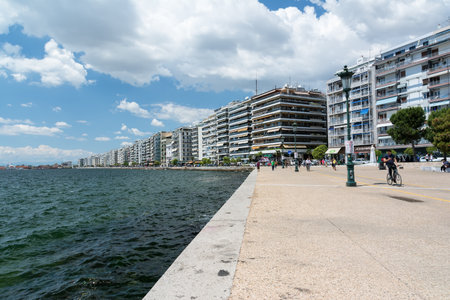 assets in the area, which already draw many international and local visitors, despite lack of uninterrupted pedestrian access, limited amenities and few retail and food and beverage options along the length of the waterfront. The City would like to catalyze the redevelopment of various vacant and/or underutilized sites along the waterfront as a means to achieve social, economic and fiscal benefits. This demonstration project will be used to illustrate how social, fiscal and economic outcomes can be maximized through more coordinated planning and effective investment program prioritization.
 Netherlands for the World Bank
You must be logged in to post a comment.