
Deadline: 15-Apr-2016 at 11:59:59 PM (Eastern Time – Washington D.C.)
SIB in conjunction with IFC is currently involved in a program of work to develop new 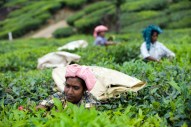
customer value propositions for the SME, Retail and Agriculture customer segments in India. As part of the approach, there is a need to understand the current perceptions and positioning of the SIB brand in the market generally and these segments specifically, and to develop insights on specific sub-segments of the SME, Retail and Agri markets.
Tag Archives: Agriculture
eConsultant2:Dairy Specialist
Deadline: 05-Apr-2016 at 11:59:59 PM (Eastern Time – Washington D.C.)
Objective/Purpose of Assignment:
The Project will look at limited access to finance for farmers/producers from 2 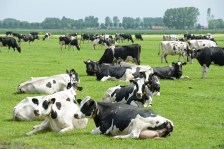 perspectives: lack of skills/knowledge (of risks in agriculture and availability of relevant tools) in FIs and low bankability of farmers/producers due to lack of capacity and lack of avenues to improve this capacity. To address this failure on the scale of the selected FIs and supply chains, the Project will work with both FIs and supply chains (aggregators, producers, other participants) to improve their capacity and created strong linkages between all.
eConsultant2: Texting for Nutrition: Impact evaluation
Deadline: 04-Mar-2016 at 11:59:59 PM (Eastern Time – Washington D.C.)
The Texting for Nutrition is an innovative intervention that uses mobile technology to  disseminate tailored messages to promote good nutrition practices among parents in rural and urban mostly poor households in Chimborazo, Ecuador. Caregivers of children between the ages of 0-3 registered for the program in the last quarter of 2014. Throughout 2015, registered caregivers received text messages sharing new information and encouraging behavior change along several key areas.
The Texting for Nutrition project is currently on-going and set to conclude in March 2016. The impact evaluation will estimate the effects of the Texting for Nutrition program on (i) knowledge of good health and nutrition practices, (ii) influencing parental behavior (iii) social customs & descriptive norms towards health/nutrition practices for their children and (iv) the nutritional status of the children.
eConsultant2:AIR AND WATER POLLUTION MANAGEMENT TECHNICAL ASSISTANCE PROGRAM
Deadline:03-Mar-2016 at 11:59:59 PM (Eastern Time – Washington D.C.)
In each of the key sectors which are the main contributors of air pollution in Gr eater Cairo and water pollution in the Nile Delta, an analysis will be undertaken to determine the key abatement and policy measures to adhere to good practice international standards. The key sectors of analysis are: (i) waste; (ii) agriculture: (iii) sanitation: (iv) energy; (vi) transport; and (vii) industry.
Tech 4 Agricultural Development
The article below discusses how technology can help agricultural development.
Tech Meets Agriculture at #Hack4Ag in Uganda
Original article posted January 21, 2016 on the World Bank website.
Kampala, Uganda— Cellphone usage is expanding in Sub-Saharan Africa, and paving the way for information and communication technologies (ICT) to modernize and boost productivity in the region’s agricultural sector. Apps like Kilimo Salama, which provides farmers with updated climate data, as well as Vet Africa, which helps diagnose livestock diseases, are already transforming farmers’ lives in Sub-Saharan Africa. Up to 90% of farmers polled by e-Learning Africa credit ICT with improving food security in their region.
eConsultant2: Agro-logistics in Rajasthan
Deadline: 04-Jan-2016 at 11:59:59 PM (Eastern Time – Washington D.C.)
The focus of this consultancy is on bottlenecks in agro-logistics. The goal 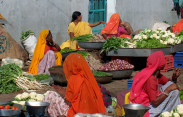 is to identify gaps and develop agro-logistics strategies for specific value chains in Rajasthan.
eConsultant2: Water for Agro-Pastoralist Livelihoods in Somaliland and Puntland
Deadline: 07-Jan-2016 at 11:59:59 PM (Eastern Time – Washington D.C.)
The World Bank’s Water and Sanitation Program (WSP) seeks qualified firms to identify wadis for development,  support the site selection for eight sites, and implement an impact assessment to improve the pastoral and agro-pastoral communities’ access to, and management of, small-scale water sources and to enhance the capacity of the government to implement small-scale water interventions in targeted arid lands of Somaliland and Puntland.
eConsultant2: The Animal Feeding Consultant
Deadline: 08-Dec-2015 at 11:59:59 PM (Eastern Time – Washington D.C.)
Feeding consultants overall responsibility will be to provide strategic support to the Project, from the design to implementation of the pilot dairy supply chain developm ent programs in specific regions of both countries (Kyrgyzstan and Uzbekistan) and provide recommendations regarding the improvements needed in order to increase the productivity, efficiency and sustainability of milk producers.
eConsultant2: The Veterinary and Artificial Insemination Consultant
Deadline: 08-Dec-2015 at 11:59:59 PM (Eastern Time – Washington D.C.)
Veterinary and Artificial Insemination consultants overall responsibility 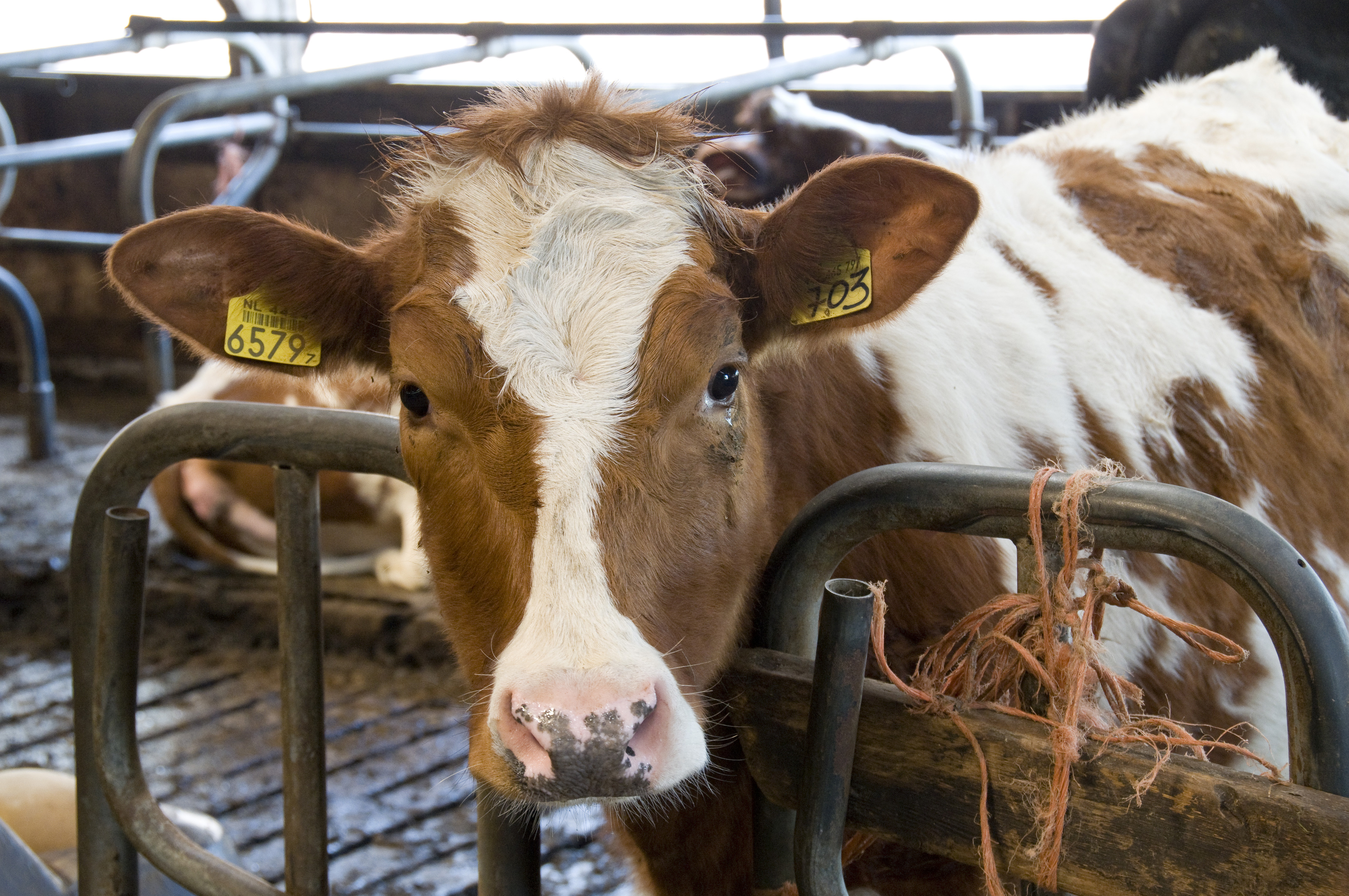 will be to provide strategic support to the Project, from the design to implementation of the pilot dairy supply chain development programs in specific regions of both countries (Kyrgyzstan and Uzbekistan) and provide recommendations regarding the improvements needed in order to increase the productivity, efficiency and sustainability of milk producers.
eConsultant2: Commercial Plantation Forestry Industry Investment Plan
Deadline: 10-Dec-2015 at 11:59:59 PM (Eastern Time – Washington D.C.)
The objective of each study is to provide recommendations for financially feasible options  for commercial plantation forestry industry cluster development. This would be for the optimal utilization of existing and potential plantation forestry wood resources in terms of wood product market requirements both domestic and export. Industry cluster development options should consider all possible impacting factors including available suitable wood and land resources, possible outgrowers, markets, infrastructure and workforce, communities, existing businesses, and possible SOE privatization/inclusions.


You must be logged in to post a comment.