Investing in agricultural risk management

By any measure, agriculture is risky senegal_sdgs_blogbusiness. It is also vital to ensuring food security and providing employment for 2.6 billion people worldwide, the vast majority of whom are subsistence farmers. Producing more than two-thirds of all food consumed worldwide on roughly half of the world’s arable land, these farmers are also the poorest, the most vulnerable, the most food insecure on earth.
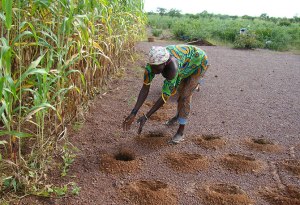
The World Bank is spearheading a global initiative to promote a better understanding of agricultural risks, as well as effective pathways to improved risk management. In addition to enabling agriculture risk knowledge sharing through the FARMD platform, the Bank has worked with nearly 20 countries to help agricultural stakeholders better comprehend the complexity of risks. This knowledge aids the selection of risk mitigation, transfer, and coping investments.

Based on this experience, the Bank has developed the Agricultural Sector Risk Assessment (ASRA), Continue reading

Building Resilience: Agribusiness Feeding the World Sustainably

Article originally published in the IFC’s Annual Report 2015.

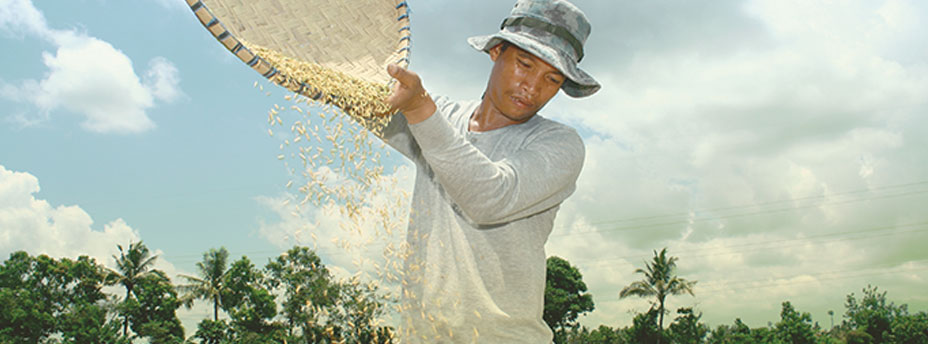
By 2050, the worldwide demand Agrabusiness-Story-Bannerfor food and crops will double. That poses a formidable challenge for the global community: how to feed the world’s expanding population without depleting its already scarce resources.

IFC is partnering with the private sector to address the challenge. Through our agribusiness investments, we aim to increase the supply of affordable and nutritious food, and ensure it is available to those who need it most.

In FY15, our agribusiness-related investments across the food supply chain totaled $3.2 billion, including funds mobilized from other investors. These investments in production, food processing, logistics, and distribution helped benefit 3.4 million farmers worldwide.

Continue reading

Ethiopia – Second Agricultural Growth Project signed

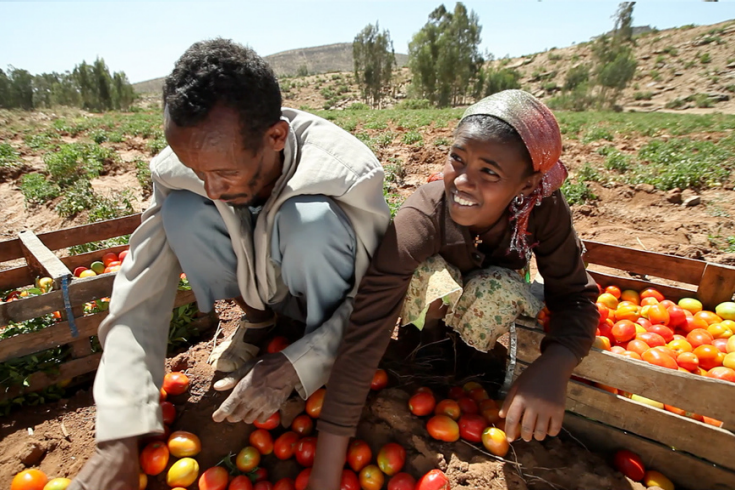
Ethiopia’s second agricultural growth Ethiopia agproject, which was adopted by the World Bank Board of Directors on March 31, 2015, has now been signed. The project involves a total of $365 million, of which $350 million is provided by the World Bank.

The development objective of the Second Agricultural Growth Project for Ethiopia is to increase agricultural productivity and commercialization of small holder farmers targeted by the project. The project comprises of five components: Continue reading

Resilient Supply Chains – A Strategic Dialogue (London, 19 October 2015)

Resilient Supply Chains – Farmers & Food Industry Tackle the Shared Challenge of Climate Change – A Strategic Dialogue (London, 19 October 2015)

Climate change brings significant, resilient supply chainsconcrete and near-term impacts for farmers and food companies’ bottom lines alike. The objective of this strategic dialogue is to bring leaders from both groups together to discuss their shared climate change challenges: Continue reading

eConsultant2: Policy framework commercial plantations in Colombia

The study Commercial Reforestation Potential in Colombia aims to support the Government of Colombias effort to define the most appropriate model for commercial reforestation in Colombia: these commercial planted forests should be developed in an economically-profitable, socially-inclusive and environmentally-friendly way.

colombia_111807_500_11705Assess the existing policy and institutional framework and evaluate the efficiency and efficacy as well as the interaction of policies, institutions and regulations related to commercial forest plantations in Colombia. Identify the main gaps and difficulties in operation/implementation/efficiency and make concrete recommendations duly supported in order to promote the development of commercial reforestation in the country in the short, medium and long term.

Continue reading

Cambodian Agriculture in Transition: Opportunities and Risks

Article originally posted on the World Bank website on August 19, 2015.

Highlights:

  • Four million people were lifted out of poverty due to positive developments in the Cambodian agriculture sector over the last decade.
  • Cambodian agriculture saw high growth rates but needs to find new pathways to drive future growth as global food prices decline and farmland diminishes.
  • The challenge is to move away from increasing production through land expansion to being more productive and competitive.

The last decade was golden for cambodia-riceCambodian agriculture. The annual agricultural sector growth of 5.3% between 2004 and 2012 was one of the highest in the world, according to a new World Bank report, Cambodian Agriculture in Transition: Opportunities and Risks , prepared with the support of the Australian government.

Continue reading

IFC & Dutch firm help Kenyan farming co-operatives get access to financing

Article originally published by Business Daily Africa on August 23, 2015.

A rating agency has come up with a formula that Printranks agriculture-focused co-operative societies and small-scale businesses in a move that will make it easier for them to access loans and social investor funds.

SCOPEInsight, the company supported by the Embassy of Netherlands and partnering with International Finance Corporation (IFC), has developed a rating system that identifies the strengths and weaknesses of co-operative societies. This will prepare them to get financial support. Continue reading

eConsultant2: Making the Business Case for Womens Private Sector Participation in Agribusiness

Capitalizing on IFCs experience, this project aims to substantiate the business case for improving working conditions and employment opportunities for women in agribusiness, and investigate where and how investments in improved working conditions for women can result in higher firm productivity.

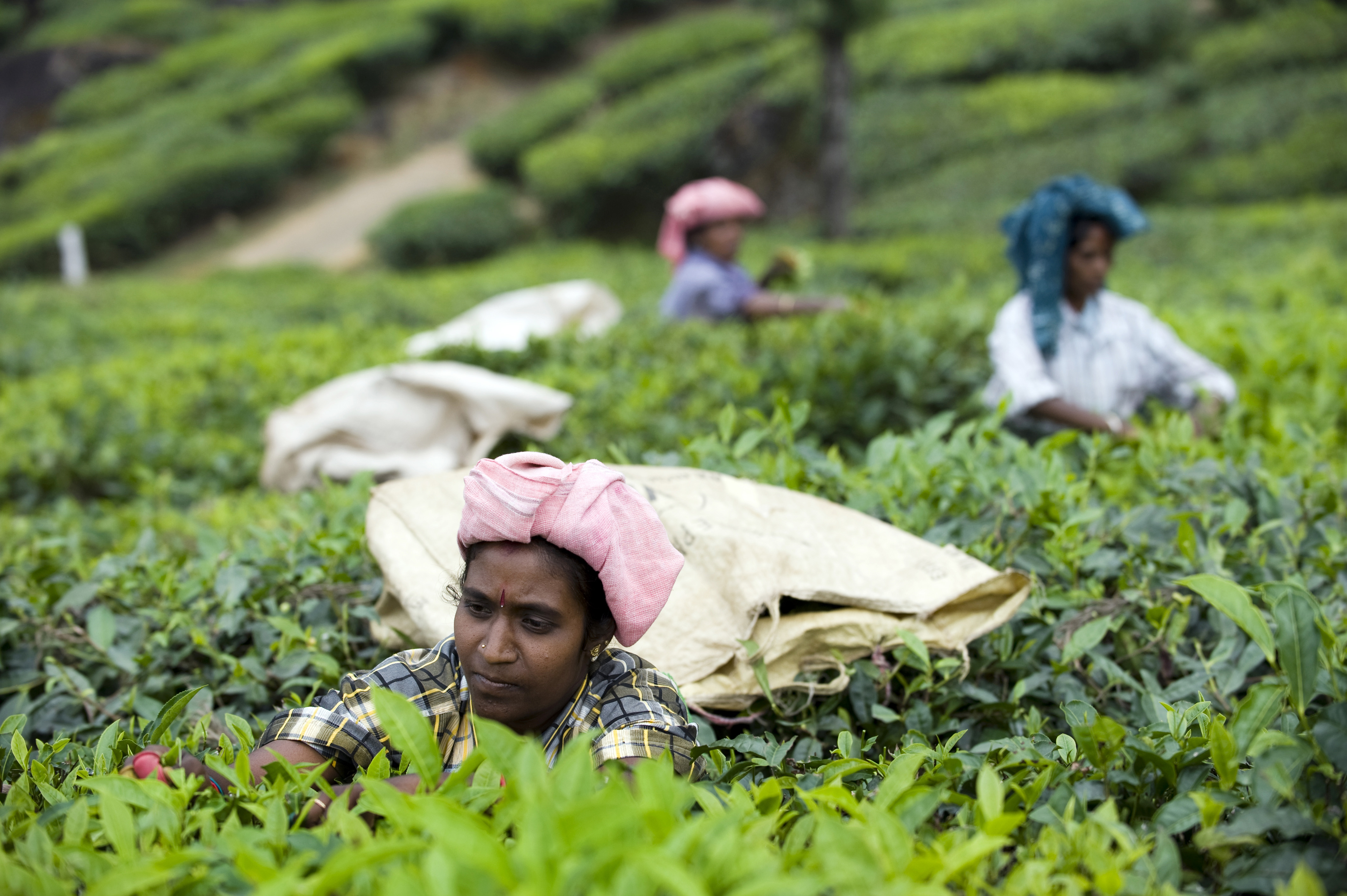
Focused on developing countries _DSC0993and culminating in a research report focused on the agribusiness sector, this work would identify actionable firm policies and practices that are potentially transferable across countries, regions and sectors.

Continue reading

IFC investment in Dutch Africa Improved Foods (Holding) (AIFH) in Rwanda

On July 7, 2015, the IFC and the AIFH have AIFHsigned an agreement for a $21.5 million loan and $4.5 million equity investment by IFC in AIFH. This loan comes with support from the Dutch-funded Global Agriculture Food Security Program (GAFSP), and is intended for the construction and operation of a 45,000 tons per year processing plant in Rwanda for fortified cereals to treat child malnutrition. Continue reading

IFC investment in Dutch Afriflora

Earlier this year the IFC proposed, and theAfriflora Board of Directors approved, an investment in the Dutch Afriflora Group. The agreement was signed on April 13, and the investment made a month later, on May 13, 2015. The investment consists of an IFC and MCPP senior secured €90 million (US$112 million equivalent) loan.

Afriflora is a family-run manufacturer and marketer of cut-rose products based in Ethiopia. Continue reading