Tech 4 Agricultural Development

The article below discusses how technology can help agricultural development.

Tech Meets Agriculture at #Hack4Ag in Uganda

Original article posted January 21, 2016 on the World Bank website.

Kampala, Uganda— Cellphone usage is expanding in Sub-Saharan Africa, and paving the way for information and communication technologies (ICT) to modernize and boost productivity in the region’s agricultural sector.   Apps like Kilimo Salama, which provides farmers with updated climate data, as well as Vet Africa, which helps diagnose livestock diseases, are already transforming farmers’ lives in Sub-Saharan Africa.  Up to 90% of farmers polled by e-Learning Africa credit ICT with improving food security in their region.
Continue reading

eConsultant2: Agro-logistics in Rajasthan

Deadline: 04-Jan-2016 at 11:59:59 PM (Eastern Time – Washington D.C.)

The focus of this consultancy is on bottlenecks in agro-logistics. The goal Rajasthanis to identify gaps and develop agro-logistics strategies for specific value chains in Rajasthan.
Continue reading

eConsultant2: Water for Agro-Pastoralist Livelihoods in Somaliland and Puntland

Deadline: 07-Jan-2016 at 11:59:59 PM (Eastern Time – Washington D.C.)

The World Bank’s Water and Sanitation Program (WSP) seeks qualified firms to identify wadis for development, Wadissupport the site selection for eight sites, and implement an impact assessment to improve the pastoral and agro-pastoral communities’ access to, and management of, small-scale water sources and to enhance the capacity of the government to implement small-scale water interventions in targeted arid lands of Somaliland and Puntland.
Continue reading

eConsultant2: The Animal Feeding Consultant

Deadline: 08-Dec-2015 at 11:59:59 PM (Eastern Time – Washington D.C.)

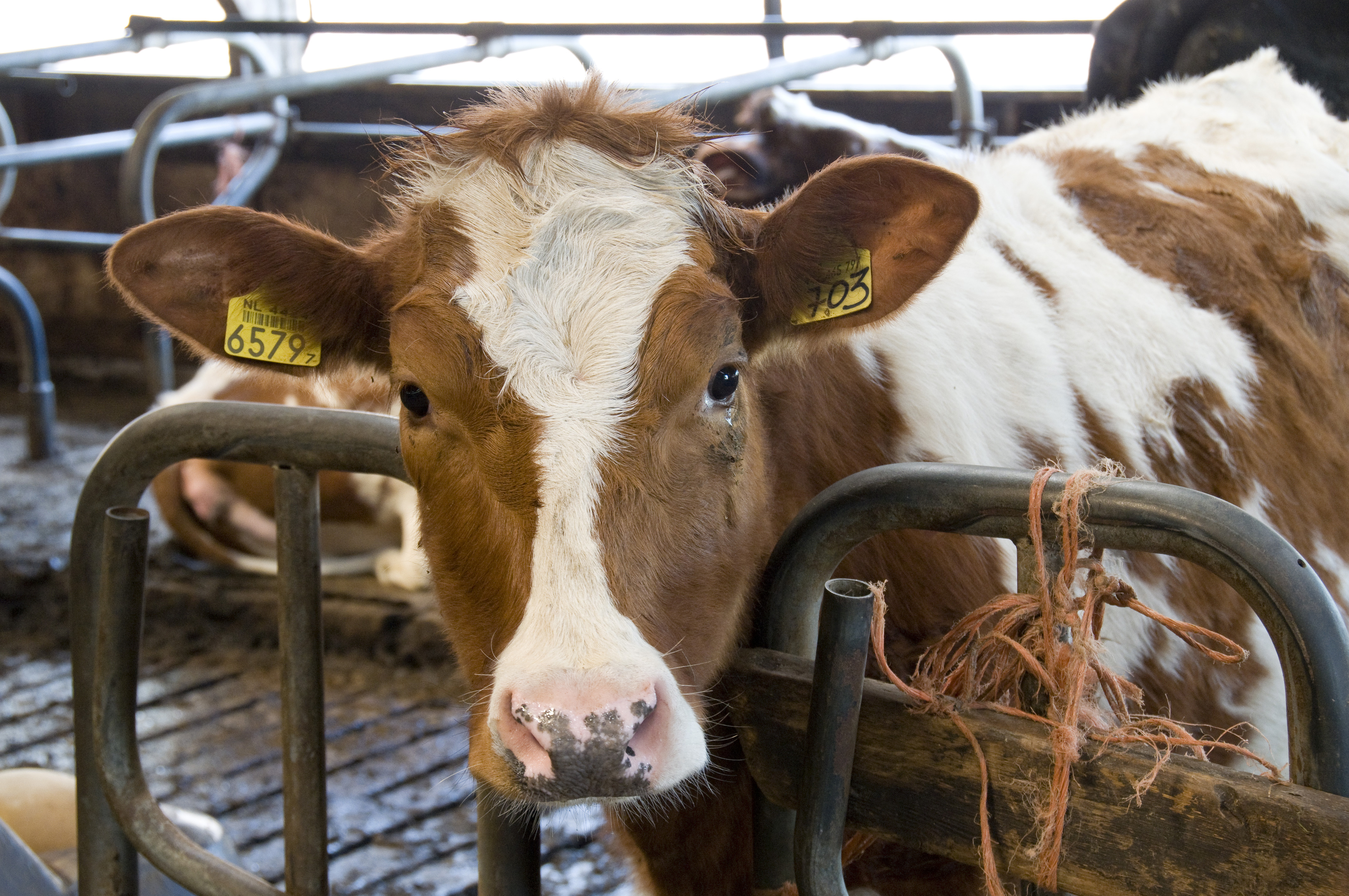
Feeding consultants overall responsibility will be to provide strategic support to the Project, from the design to implementation of the pilot dairy supply chain developmLammetjes en schaapent programs in specific regions of both countries (Kyrgyzstan and Uzbekistan) and provide  recommendations regarding the improvements needed in order to increase the productivity, efficiency and sustainability of milk producers.

Continue reading

eConsultant2: The Veterinary and Artificial Insemination Consultant

Deadline: 08-Dec-2015 at 11:59:59 PM (Eastern Time – Washington D.C.)

Veterinary and Artificial Insemination consultants overall responsibility Kalf in stalwill be to provide strategic support to the Project, from the design to implementation of the pilot dairy supply chain development programs in specific regions of both countries (Kyrgyzstan and Uzbekistan) and provide recommendations regarding the improvements needed in order to increase the productivity, efficiency and sustainability of milk producers.

Continue reading

eConsultant2: Commercial Plantation Forestry Industry Investment Plan

Deadline: 10-Dec-2015 at 11:59:59 PM (Eastern Time – Washington D.C.)

The objective of each study is to provide recommendations for financially feasible options Forestryfor commercial plantation forestry industry cluster development. This would be for the optimal utilization of existing and potential plantation forestry wood resources in terms of wood product market requirements both domestic and export. Industry cluster development options should consider all possible impacting factors including available suitable wood and land resources, possible outgrowers, markets, infrastructure and workforce, communities, existing businesses, and possible SOE privatization/inclusions.

Continue reading

Sustainable Agricultural Development

Technology Drives Sustainable Agricultural Development in China

Below an interesting and enlightening story about farmers in China who are able to raise their income through sustainable farming. The sustainable farming has been made possible by a World Bank project which is geared towards subsidizing certain purchases made by farmers.

_DSC8598

Read the full article here.

Investing in agricultural risk management

By any measure, agriculture is risky senegal_sdgs_blogbusiness. It is also vital to ensuring food security and providing employment for 2.6 billion people worldwide, the vast majority of whom are subsistence farmers. Producing more than two-thirds of all food consumed worldwide on roughly half of the world’s arable land, these farmers are also the poorest, the most vulnerable, the most food insecure on earth.

The World Bank is spearheading a global initiative to promote a better understanding of agricultural risks, as well as effective pathways to improved risk management. In addition to enabling agriculture risk knowledge sharing through the FARMD platform, the Bank has worked with nearly 20 countries to help agricultural stakeholders better comprehend the complexity of risks. This knowledge aids the selection of risk mitigation, transfer, and coping investments.

Based on this experience, the Bank has developed the Agricultural Sector Risk Assessment (ASRA), Continue reading

Building Resilience: Agribusiness Feeding the World Sustainably

Article originally published in the IFC’s Annual Report 2015.

By 2050, the worldwide demand Agrabusiness-Story-Bannerfor food and crops will double. That poses a formidable challenge for the global community: how to feed the world’s expanding population without depleting its already scarce resources.

IFC is partnering with the private sector to address the challenge. Through our agribusiness investments, we aim to increase the supply of affordable and nutritious food, and ensure it is available to those who need it most.

In FY15, our agribusiness-related investments across the food supply chain totaled $3.2 billion, including funds mobilized from other investors. These investments in production, food processing, logistics, and distribution helped benefit 3.4 million farmers worldwide.

Continue reading

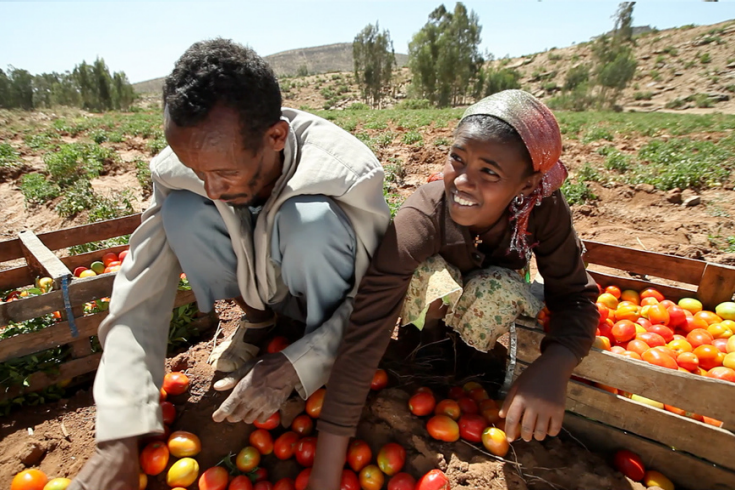
Ethiopia – Second Agricultural Growth Project signed

Ethiopia’s second agricultural growth Ethiopia agproject, which was adopted by the World Bank Board of Directors on March 31, 2015, has now been signed. The project involves a total of $365 million, of which $350 million is provided by the World Bank.

The development objective of the Second Agricultural Growth Project for Ethiopia is to increase agricultural productivity and commercialization of small holder farmers targeted by the project. The project comprises of five components: Continue reading