
DAKAR, February 10, 2026 – The Government of Senegal, in partnership with the World Bank Group, today announced the launch of the AgriConnect Senegal Compact. This strategic initiative aims to transform the country’s agri-food systems and improve food security for millions of Senegalese.
Continue readingTag Archives: Agriculture
The Economics of a Livable Planet: 5 Things Every Policymaker, CEO, and Development Practitioner Should Know

For decades, policymakers assumed that prosperity is driven by building infrastructure, mobilizing labor, and creating financial systems to spur investment – while nature has been treated as abundant and free. Yet economic progress always relied on Earth’s natural assets: fertile soils that feed civilizations, clean water that sustains health and productivity, and forests that supply materials. But what happens when natural resources and the services they provide are no longer abundant?
Continue readingReinventing Rice as Countries Cultivate Change
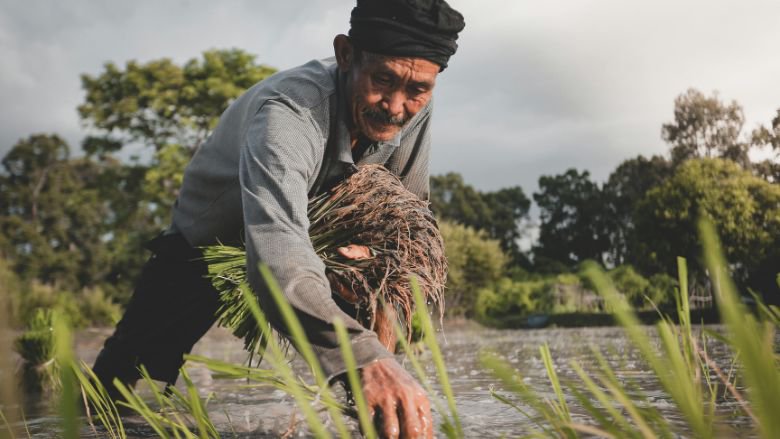
Rice feeds over half of the world’s population and sustains 144 million people—80 percent of them smallholder farmers. With a projected 30 percent surge in demand by 2050, the rice industry will only grow in importance. But the crop’s vulnerability to climate change and slowing productivity gains, its environmental footprint, and its limited nutritional value make it clear that business as usual is no longer an option.
Many rice-producing countries are already taking this challenge seriously—introducing reforms, innovations, and investments to bring the sector into a new era of higher returns, lower emissions, and better nutrition.
Continue reading4 key facts about forests and food: our experts weigh in
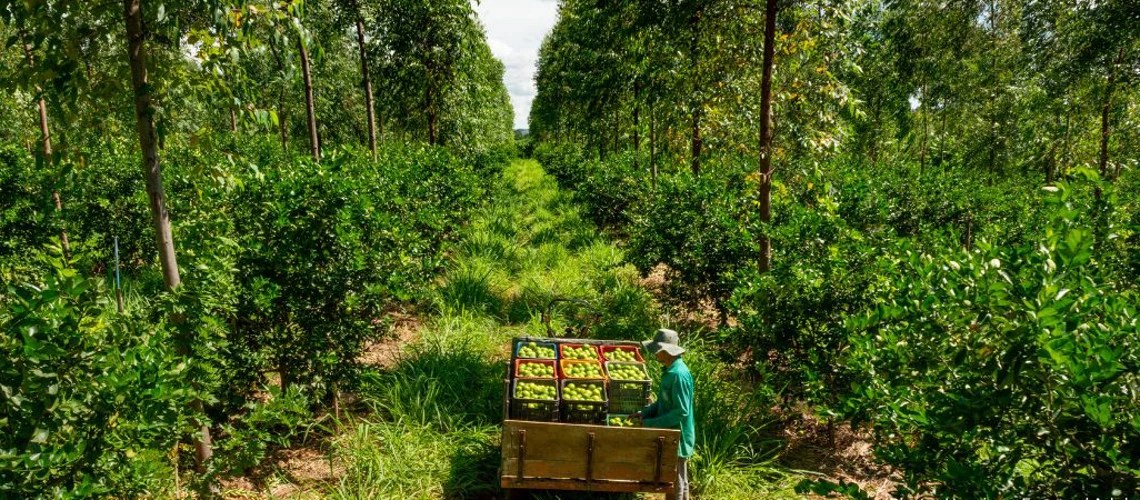
Forests and food are interconnected. As the world accelerates towards a food transition that delivers better, more sustainable outcomes for people and the planet, we must recognize that forests, woodlands, and landscapes are critical to this transition, but also to wider sustainable development goals. Investments in forests are investments in local communities, national economies, and our planet. We spoke to two of our forestry and agriculture experts on the topic.
Continue readingRethinking water security in a water-insecure world
“Every time disaster strikes, you rush to bring relief. Why don’t you do more to prevent it?”

The words came from a teenage girl standing amid the devastation of the Odisha Super Cyclone in Eastern India in 1999. At the time, I was a member of the Indian Administrative Service, coordinating relief efforts 48 hours after the storm. Her question cut through the chaos and would shape my life’s work. Relief was necessary, but the real solution lies in building strong, adaptive water systems.
Continue readingFive alarming statistics on global hunger

As we welcome 2025 and close the first quarter of the 21st century, it is a moment for reflection. We find ourselves at a pivotal midpoint—five years since the onset of the COVID-19 pandemic and five years away from the 2030 deadline for the Sustainable Development Goals (SDGs). Yet, food and nutrition insecurity remain pressing global challenges. Many countries continue to grapple with recurring crises fueled by climate change, high food prices, and conflict, all of which undermine access to the healthy, nutritious food that people need to thrive.
Replay annual meetings: Agriculture and Food
2024 Annual Meetings: Agriculture and Food
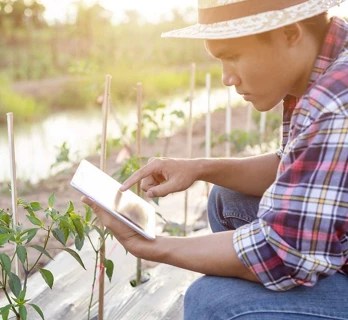
The global agriculture and food system can do more than just feed a growing population—it holds immense potential as a driver of growth and job creation. However, to unlock this potential for the long term, the agrifood system needs to prioritize nutrition, climate resilience, and halting environmental degradation.
This flagship event at the World Bank Annual Meetings 2024 will explore how governments and businesses can lead this transformation.
Have questions? Don’t wait—submit them below. Our experts will be responding live on October 23rd!
Food Security
Latest Update – December 19, 2022
Domestic food price inflation remains high around the world. Information between August to November 2022 shows high inflation in almost all low-income and middle-income countries; 88.2% of low-income countries, 90.7% of lower-middle-income countries, and 93% of upper-middle-income countries have seen inflation levels above 5%, with many experiencing double-digit inflation. The share of high-income countries with high food price inflation has risen to 81.8%. The countries affected most are in Africa, North America, Latin America, South Asia, Europe, and Central Asia.
Download the latest brief on rising food insecurity and World Bank responses
Empower HER to address food and nutrition security in Africa
Food price inflation exceeds  overall inflation in most countries, and at least 123 million people in Sub-Saharan Africa (SSA) will be in food crisis by the end of the year. This is partly due to lack of investments in domestic food production, exacerbated by climatic shocks, the COVID-19 crisis, and impacts of the war in Ukraine.
 Netherlands for the World Bank
You must be logged in to post a comment.