
 Deadline: 16-Jul-2018 at 11:59:59 PM (Eastern Time – Washington D.C.)
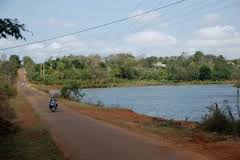
The International Finance Corporation (IFC) seeks to accelerate the development of Kenyan MSME road contractors to enable them to submit more qualified bids and win more contracts in public sector road construction, rehabilitation and maintenance. The Kenya SME Road Contractors project would like to scale up the business skills of MSMEs engaged in road construction activities, with the aim of increasing their opportunities in the sector.
The overall objective of the assignment is the delivery of a business management training Program which will target Kenyan road contractors registered with Kenya National Construction Authority (NCA) in the categories NCA3 NCA6 to enhance their business management skills and capabilities to strengthen the efficiency of their business operations. This will include training on practical bidding skills and project management.
 Deadline: 05-Jul-2018 at 11:59:59 PM (Eastern Time – Washington D.C.)
 In 2015, the world committed to Sustainable Development Goal (SDG) 4 to “ensure inclusive and equitable quality education and promote lifelong learning opportunities for all.” More than an inspirational target, SDG4 is integral to the well-being of our societies and economies – to the quality of life of all individuals.
 Deadline: 14-Jun-2018 at 11:59:59 PM (Eastern Time – Washington D.C.)
 Deadline: 12-Jun-2018 at 11:59:59 PM (Eastern Time – Washington D.C.)

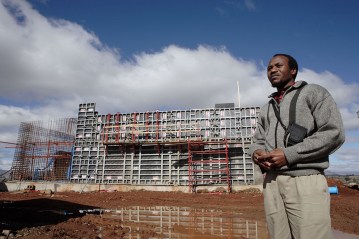 It is broadly understood that public-private partnerships (PPP) are a procurement tool that encompass design, financing, construction and long-term operation of a public infrastructure by the private sector. They can be cost-effective thanks to adequate risk transfer and performance criteria, and help bridge Africa’s large infrastructure gap in many sectors.
 regardless of your background? The ability to move up the income ladder, both in one’s lifetime and with respect to one’s parents, matters for fighting poverty, reducing inequality, and even for boosting growth. Yet, mobility has stalled in recent years in large parts of the world, with the prospects of too many people across the world still too closely tied to their parents’ social status rather than their own potential, according to the findings of a new World Bank report launched today. Mobility is also much lower, on the average, in developing economies than in high-income economies. The developing world accounts for 46 of the bottom 50 economies in terms of mobility in education from the bottom to the top.
 Deadline: 21-May-2018 at 11:59:59 PM (Eastern Time – Washington D.C.)

You must be logged in to post a comment.