The Global Sanitation Crisis: Pathways for Urgent Action

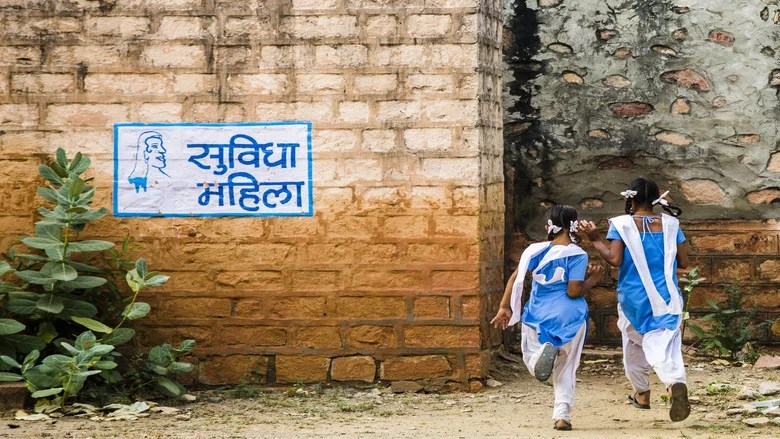
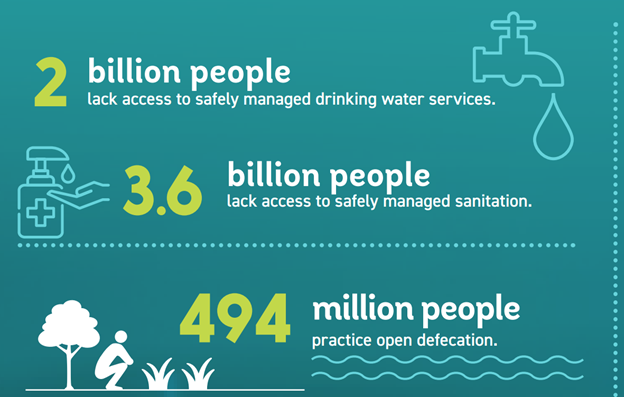
The Global Sanitation Crisis: Pathways for Urgent Action report examines the risks that poor sanitation poses to people, economic growth, and the environment. It outlines practical steps that cities and countries can take to accelerate progress toward universal access to resilient, safely managed sanitation—promoting healthy communities, sustainable environments and reduced greenhouse gas emissions, thriving economies, resilient cities, job creation, and greater human productivity.

Download Report | Overview

Continue reading

Rethinking water security in a water-insecure world

“Every time disaster strikes, you rush to bring relief. Why don’t you do more to prevent it?”

The words came from a teenage girl standing amid the devastation of the Odisha Super Cyclone in Eastern India in 1999. At the time, I was a member of the Indian Administrative Service, coordinating relief efforts 48 hours after the storm. Her question cut through the chaos and would shape my life’s work. Relief was necessary, but the real solution lies in building strong, adaptive water systems.

Continue reading

IFI Water Sector Fact Finding Mission

With pleasure we would like to tell you more about our upcoming mission: The Internationalwater_hero Financial Institutions (IFI) Water technology fact-finding mission to Washington D.C. 22-25 January 2024. This event is co-organized with the other private sector liaison officers of Austria, Germany, Spain, Canada, Switzerland and England.
Continue reading

Global Water Security & Sanitation Partnership: Five Years of Advancing a Water-Secure World for All

STORY HIGHLIGHTS GWSP-2022-AR-Feature-story

  • Over the past five years, climate considerations have become embedded in GWSP support, leading to a rising number of projects with climate co-benefits.
  • The World Bank Water Global Practice’s work in fragile, conflict and violence-affected areas has grown significantly, and Global Water Security and Sanitation Partnership now supports active engagement in 33 countries.
  • There is more social inclusion in the water sector. The average share of female engineers in 23 participating utilities in Ethiopia increased from 8 percent to 12 percent in just two years. Continue reading

Could investment in taps and toilets be the key to unlocking developing economies?

*This piece was originally published by the Financial Times as part of its Partner Content.wateraid-hero_pic

Investing in universal access to water, sanitation and hygiene could yield massive economic gains over the next two decades – but mobilizing finance is not easy

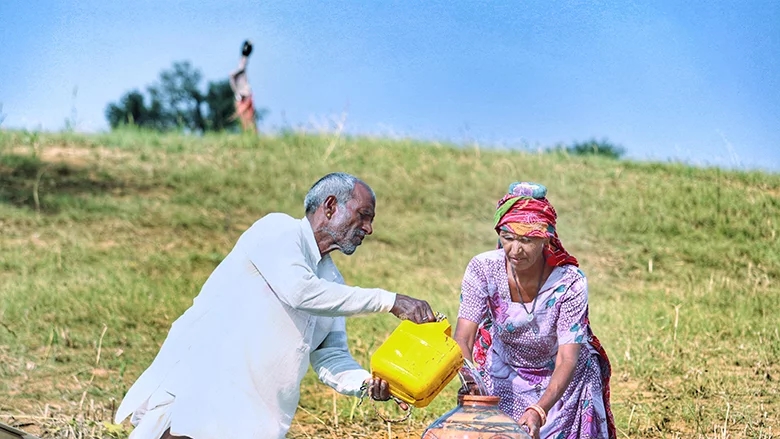
Global leaders seeking a way to rebuild battered economies could hold the key to prosperity in their bathrooms. Among the many infrastructure investments that could help create prosperity in the years to come, one of the most potent – and overlooked – is universal access to taps and toilets. Research by Vivid Economics for international NGO WaterAid has shown that each dollar invested in water, sanitation and hygiene (WASH) could generate up to a $21 return. The analysis showed that giving every home a toilet connected to a safely managed sewerage or off-mains system could generate $86bn in wealth a year.

Continue reading

eC2: Support Private Sector Participation in LGUs Water Supply and Sanitation Systems

Deadline:  28-Sep-2020 at 11:59:59 PM (Eastern Time – Washington D.C.) water

The objective of the assignment is to undertake the following: (i) support the province in preparation for the DBO/DBL through capacity building and perform collaborative activities with national government agencies through NEDA to ensure that WSS subprojects are in sync and within the implementation reforms that will be instituted under the currently approved PWSSMP, specifically the achievement on the KPIs and proper operationalization of the Unified Resource Allocation Framework (URAF); (ii) strengthen technical and economic analysis of the projects; (iii) assist in the market survey to ensure robust interests of the private sector; and (iv) support the preparation of an O&M plan .

Continue reading

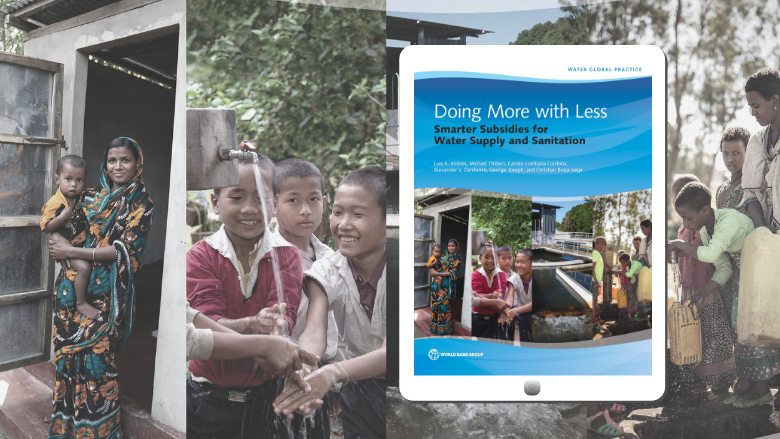
Doing More with Less – Smarter Subsidies for Water Supply and Sanitation

New World Bank research shows that governments across the world are pouring money Subsidies-780-439--1-into water and sanitation subsidies but all too often that funding doesn’t flow to those who need it most. However, subsidies can be powerful and progressive tools in delivering water and sanitation when they are designed in smart and targeted ways and implemented effectively.
Continue reading

eC2: PREPARING WATER SUPPLY, SANITATION AND HYGIENE (WASH) SECTOR DEVELOPMENT PROGRAM FOR GHANA

Deadline: 10-Mar-2020 at 11:59:59 PM (Eastern Time – Washington D.C.) waterkraan-nieuws-header

The main objective of the assignment is to: Update and consolidate the Water Sector Strategic Development Plan, the National Environmental Sanitation Strategy and Action Plan and other relevant WASH plans and prepare a National WASH Program Document with indicative cost break down and implementation framework for i) rural WASH; ii) urban WASH; iii) institutional development, iv) M&E and v) funding. It is expected that a WASH sector Institutional review will be conducted with considerable overlapping and its findings will inform the WASH program development. This will suggest that the program will have several phases with the first phase focusing on issues requiring immediate attention and the subsequent phases addressing the suggestions from the institutional review.

Continue reading