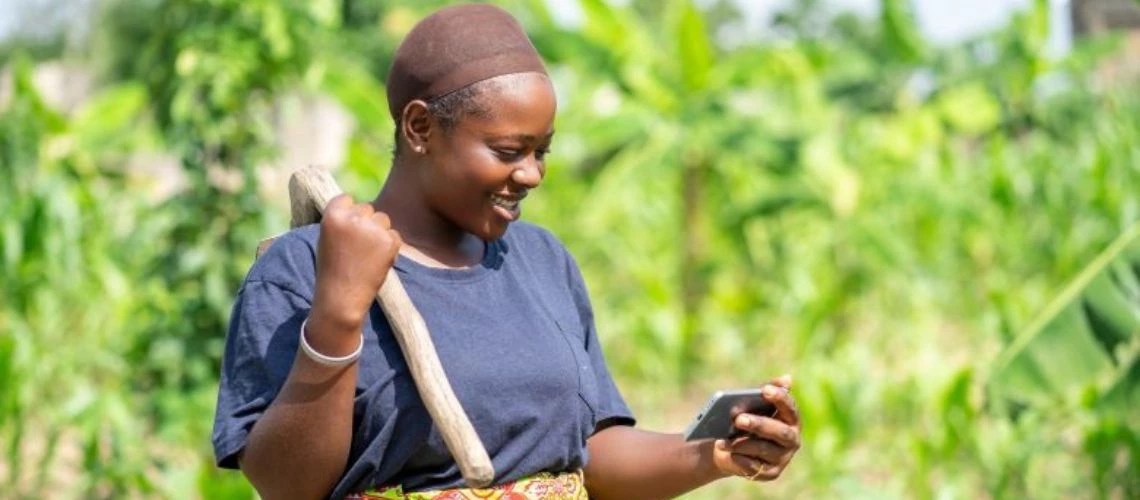
Dryland forests in the Sahel are remarkable ecosystems that embody resilience and adaptability. Stretching across the arid landscape, iconic tree species such as Acacia, Baobab, and Shea trees stand as symbols of endurance, providing vital resources like food, medicine, and shade for both communities and livestock. These tenacious forests are not only lifelines for biodiversity but also cornerstones of local livelihoods.
Continue readingTag Archives: IFC
4 key facts about forests and food: our experts weigh in
Forests and food are interconnected. As the world accelerates towards a food transition that delivers better, more sustainable outcomes for people and the planet, we must recognize that forests, woodlands, and landscapes are critical to this transition, but also to wider sustainable development goals. Investments in forests are investments in local communities, national economies, and our planet. We spoke to two of our forestry and agriculture experts on the topic.
Continue readingGlobal Digital Summit 2025 – Digital Pathways for All
In case you missed it, here is the event replay for Global Digital Summit 2025 – Digital Pathways for All which took place on March 18, 2025. The 2025 Global Digital Summit: ‘Digital Pathways for All’ has now concluded. Recordings of all public sessions are available in four languages on worldbank.org/live and on the World Bank Group social media channels. #WBGDigitalSummit If you like this content, make sure to sign up for our email updates! We hope to see you again soon, World Bank Live Development Events Brought to You Live REPLAY |
Is Artificial Intelligence the future of farming? Exploring opportunities and challenges in Sub-Saharan Africa
Across Sub-Saharan Africa, a quiet revolution is underway. Smallholder farmers are increasingly leveraging Artificial Intelligence (AI), once a futuristic concept, to transform agriculture. AI now plays a crucial role in addressing the region’s most pressing challenges: food insecurity, environmental degradation, and economic inequality.
Continue readingRethinking water security in a water-insecure world
“Every time disaster strikes, you rush to bring relief. Why don’t you do more to prevent it?”
The words came from a teenage girl standing amid the devastation of the Odisha Super Cyclone in Eastern India in 1999. At the time, I was a member of the Indian Administrative Service, coordinating relief efforts 48 hours after the storm. Her question cut through the chaos and would shape my life’s work. Relief was necessary, but the real solution lies in building strong, adaptive water systems.
Continue readingThe world is facing a looming jobs crisis. Cities can help
Over the next decade, an unprecedented 1.2 billion young people in the Global South will become working-age adults. However, the job market in these countries is projected to create only 420 million jobs, leaving nearly 800 million people without a clear path to prosperity.
That’s why the World Bank is doubling down on job creation and employment as not just the byproduct of our projects, but the explicit aim of them. Looking to the future, it is clear that urban development will play a key role in that process.
Continue readingWhat works for women at work
Across the globe, I’ve met countless men and women driven by the conviction that when policies work for women, societies move forward. Here is a world tour of policies that are opening the gates to greater economic empowerment of women. For the benefit of all.
Continue readingEmpowering Women Tech Entrepreneurs in Georgia Unleashes Innovation
STORY HIGHLIGHTS
- Women in Georgia’s technology sector face the same market challenges as men in launching startups but must also contend with preconceived notions of “acceptable” women’s work, and these biases can impact access to funding, mentorship, and networking.
- The World Bank has helped the country address this gap by providing training and mentorship opportunities to thousands of entrepreneurs, over half of them women.
- GENIE Program graduates—like Nato Toronjadze, founder and CEO of Bizon, and Ana Robakidze, founder and CEO of Theneo—despite the challenges, have turned their innovative ideas into successful ventures that are creating jobs and boosting growth.
Continue reading
Financing Shortfalls Hinder Road Safety Progress in Low- and Middle-Income Countries
MARRAKECH, February 18, 2025 – Road safety financing faces a critical shortfall, hindering progress toward halving global road traffic fatalities and injuries by 2030. Each year, road crashes claim an estimated 1.19 million lives, leave countless others with permanent disabilities, and impose significant economic costs.
Continue readingConsultations on the World Bank’s New Country Engagement Approach
As part of its Evolution Process, the World Bank Group is reviewing its country engagement approach to align it with its new vision and mission while becoming more efficient, outcome-focused, and more systematic in tapping into private sector solutions wherever possible.
To inform the new country engagement approach, we will hold formal consultations with external stakeholders. Online consultations opened on January 16, 2025, and consultation meetings will be held in all seven operational regions of the WBG starting February. The consultations will close on March 21, 2025. The meetings will follow a hybrid format, combining in-person and virtual participation. Rethinking the Approach to WBG Country Engagement will provide the basis for consultations. To see the consultations outreach plan, click here.
Note: The approach paper is now available in Arabic, Chinese, French, Portuguese, Russian, and Spanish.


You must be logged in to post a comment.