
Tag Archives: IFC
Unlocking Development through the Power of Co-financing
WASHINGTON, Feb. 11, 2026 — On February 11, the World Bank Group, together with the Moroccan Ministry of Economy and Finance and AFD Group, will convene a high-level forum — The Power of Co-Financing — to strengthen collaboration on co-financing among development partners and countries.
Continue readingStrengthening Health Systems in Sahel’s Fragile Communities
Results Highlights
Between 2018 and 2024, results achieved included:
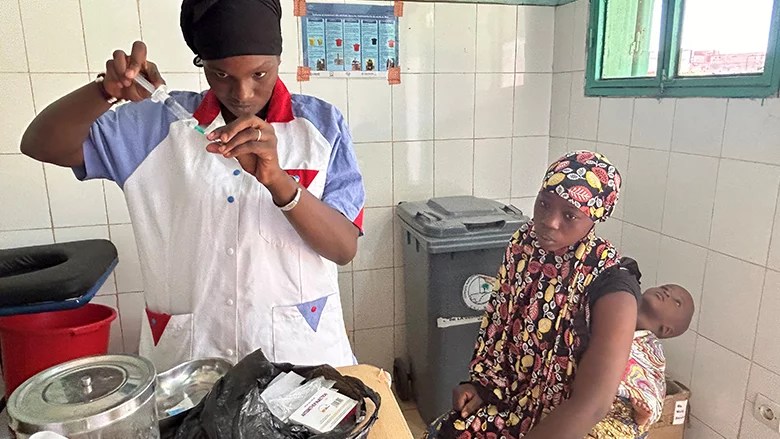
- Expanded and improved health services: Over 5 million people in Mali and Mauritania accessed basic health services, half of them women, far exceeding the original goal of 3.65 million. Health centers in targeted regions of both countries significantly improved quality through better equipment, staff training, and patient care.
From Risk to Resilience: Strengthening Preparedness for Wildfires and Earthquakes in Europe
STORY HIGHLIGHTS
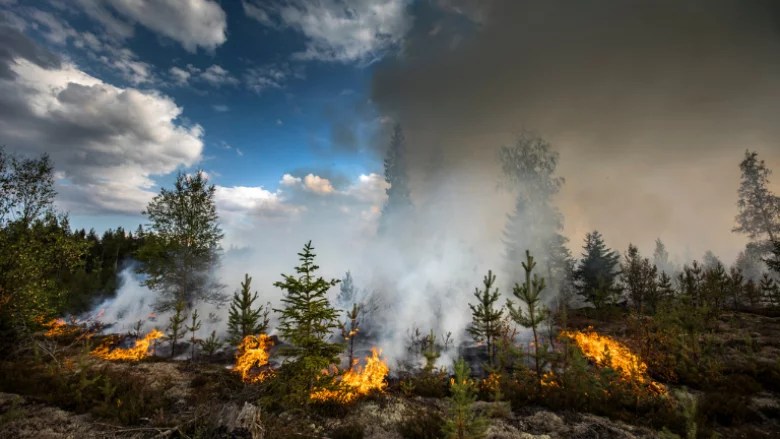
- Wildfires in Europe are becoming more frequent and severe, with record areas burnt in 2025. Spreading into regions once considered low risk, wildfires increasingly threaten lives, communities, and infrastructure.
- More than one-third of the EU population lives in seismic zones, yet awareness is dangerously low. Aging housing and vulnerable critical services leave people exposed, while secondary hazards such as landslides, soil liquification, and tsunamis can worsen earthquake impacts.
- Strategic investments in resilient infrastructure, early-warning systems, and recovery planning, including post-disaster financing, can help reduce risks, protect people, and strengthen preparedness.
Powering Prosperity: Unlocking East Asia’s Renewable Energy for Growth and Competitiveness
With vast, untapped renewable resources, East Asia can accelerate its clean energy transition—boosting competitiveness, creating millions of jobs, and strengthening energy security. A new World Bank report charts how.
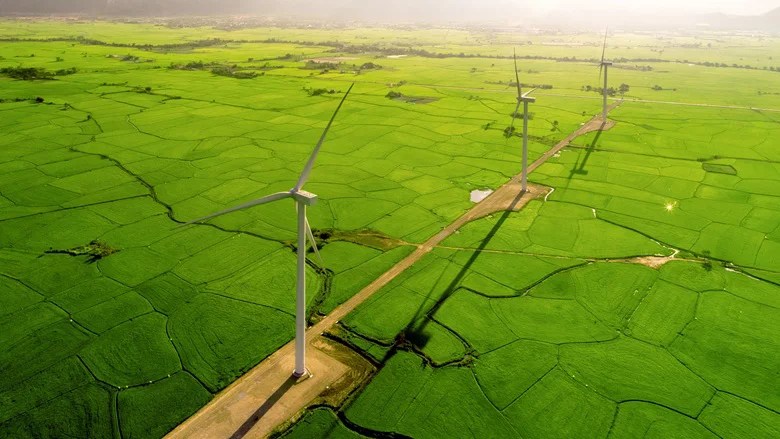
East Asia’s industrial rise has been powered by coal in recent decades – delivering rapid growth – but also making the region a major contributor to global greenhouse gas emissions. Today, the economics and the imperatives have shifted. A new World Bank Group report, Green Horizon: East Asia’s Sustainable Energy Future, finds that the region’s enormous, but largely untapped, renewable energy potential can fuel the next wave of growth, secure affordable energy, and enhance competitiveness.
Continue readingWomen, Business and the Law 2026
| You are receiving this email because you signed up for our World Bank Live Updates. We want to let you know that we have a new event coming up. February 24, 2026 <a href=”https://t.newsletterext.worldbank.org/r/?id=h2b2ee0f5,eee3225,ef2b99c&e=cDE9PGIgc3R5bGU9J2NvbG9yOg&s=zGT66GYPFF33l5dYVLcOjlfn37s7L0niNs2YVRGL9uE#004370;font-size:16px;’>Women, Business and the Law 2026—Benchmarking Laws for Jobs and Inclusive GrowthWomen, Business and the Law 2026—Benchmarking Laws for Jobs and Inclusive Growth Location: Online |
 |
| Advancing women’s economic participation is a key driver of growth and job creation. Estimates suggest that removing barriers to women’s economic participation could raise global output by 15–20 percent. Yet progress remains uneven, with many countries facing persistent gaps in legislation, implementing policies and institutions, and legal enforcement. Join us online or in person in the Preston Auditorium at the World Bank Group Headquarters in Washington, DC, for the global launch of Women, Business and the Law 2026,a flagship World Bank Group report that examines the legal and policy factors shaping women’s access to economic opportunities. Drawing on data from 190 economies, the report benchmarks progress across 10 dimensions of women’s economic life, including pay, assets, entrepreneurship, childcare, and workplace protections. This event will explore where gaps remain, which reforms have proven effective, and how legal and policy choices can support more inclusive and competitive economies. Policymakers, researchers, business leaders, and development practitioners will discuss the evidence behind women’s economic rights and their implications for growth and jobs. Welcome and Opening – Sumi Somaskanda, Chief Anchor, BBC News – Indermit Gill, Chief Economist and Senior VP of Development Economics, WBG – Paschal Donohoe, Managing Director and Chief Knowledge Officer, WBG Key Messages of Women, Business and the Law 2026 – Tea Trumbic, Manager, Women, Business and the Law, WBG Voice of an Entrepreneur – Lina Maria Useche Jaramillo Panel — Legal reforms and actions needed to accelerate inclusive growth – Gargee Ghosh, President of Global Policy and Advocacy, Gates Foundation – Norman Loayza, Director, Policy Indicators Group, WBG – H.E. Wafa Bani Mustafa, Minister of Social Development, Jordan – Moderated by: Sumi Somaskanda Closing Remarks |
| “Credit: World Bank Group. All rights reserved” |
Growing Waste Crisis in the Middle East and North Africa Costs US$7.2 billion a year, Threatens Growth and Tourism
New World Bank report calls for more investment in better waste management and circular economy
WASHINGTON, January 27, 2026 — The Middle East and North Africa region generates more waste per person than the global average and causes an estimated US$7.2 billion in environmental damage each year, according to a new World Bank report: Waste Management in the Middle East and North Africa.
Continue readingBuilding cyber resilience at national scale: Why strategy matters more than ever

In 2017, a ransomware spread across multiple countries, causing an estimated $10 billion in damage to businesses worldwide. More recently, in Costa Rica, a major incident in 2022 forced the government to declare a national state of emergency and resulted in losses up to 2.4% of GDP.
Digital technologies are reshaping economies and public services, but they also introduce new and persistent risks. Cyber incidents can disrupt essential services, undermine trust in public institutions, and erase development gains built over years.
Cybersecurity, therefore, is no longer a narrow technical concern. It is a foundational element of economic growth, national security, and inclusive digital development.
Continue readingWhat Works for Work: A Guidebook to Proven and Promising Employment Solutions
Highlights:
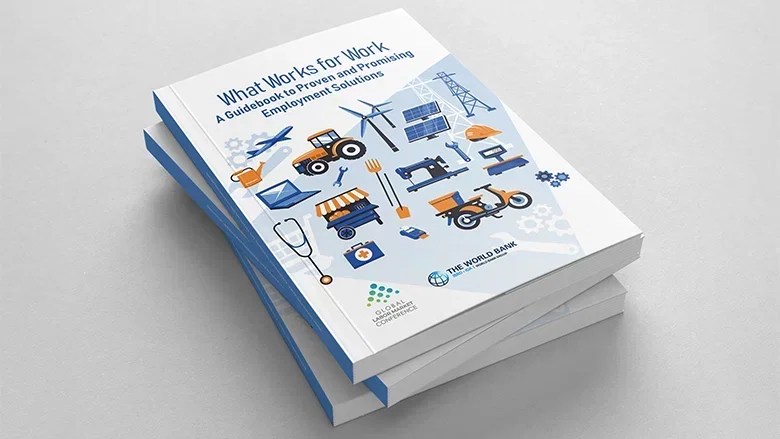
- New World Bank Group guidebook presents evidence-based strategies for designing effective labor programs, especially in low- and middle-income countries facing job creation challenges.
- The most effective labor programs in low- and middle-income countries deliver earnings and employment improvements four to five times greater than the average, at times providing up to ten years lasting benefits, and returns far exceeding the initial investments.
- Five core principles—contextual tailoring, comprehensive scope, incentive alignment, private sector engagement, and social protection integration—are key to creating lasting, inclusive impacts in the labor market.
‘Frontier Market’ Economies Haven’t Lived Up to Potential Since 2010
WASHINGTON, January 20, 2026—“Frontier market” economies—a cluster of mostly middle-income economies regarded as the proving ground for the next generation of economic superstars—have largely failed to live up to their potential in recent decades, a new World Bank study has found. On average, investment growth per person in the 2020s so far has been less than half the rate in the 2010s. Yet the experience of the top performers among frontier markets reveals lessons for the 56 economies currently in the cluster.
Continue reading Netherlands for the World Bank
You must be logged in to post a comment.