
Deadline: 03-Apr-2016 at 11:59:59 PM (Eastern Time – Washington D.C.)
The Program will contribute to the energy efficiency transformation of Moroccos Public  Lighting through the effective implementation of a carefully chosen and integrated mix of project components. This is intended to be achieved by identifying and developing appropriate mechanisms for addressing and removing several market and institutional barriers that are currently restricting the adoption and implementation of energy efficient technologies and practices in the public sector, such as the lack of awareness and incentives, insufficient implementation capacity, and limited access to financing.
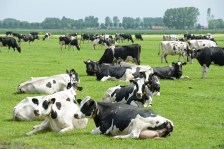 perspectives: lack of skills/knowledge (of risks in agriculture and availability of relevant tools) in FIs and low bankability of farmers/producers due to lack of capacity and lack of avenues to improve this capacity. To address this failure on the scale of the selected FIs and supply chains, the Project will work with both FIs and supply chains (aggregators, producers, other participants) to improve their capacity and created strong linkages between all.
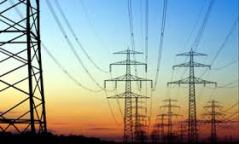 and implementing a National Electrification Strategy that enshrines the sustainable development of the energy sector. The consultant is intended to provide analysis and policy advice tailored to the specific needs of Mozambiques energy sector. The work is expected to describe the current institutional and operation model, identify its strengths and weaknesses and generate solid sector diagnostics and identify practicable action plans to consolidate and operationalize reforms and ultimately help achieving the fast while sustainable electricity access for the Mozambican people.
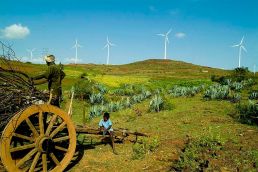 have a variety of power generation projects to drive its power sector development and take advantage of trading opportunities arising in the region. The GoM recognizes that its challenge is to maximize the net benefits to the country from power generation development by:
 PPP in order to advise the Ministry of Economy and Finance on the following matters: (a) support the adoption of a PPP legislation, (ii) support the establishment of an effective institutional framework, (iii) support the establishment of a PPP unit, (iv) develop training and capacity building courses, and (v) carry out detailed feasibility studies, and support the Government in identifying private partners and implementing one or several pilot PPP transactions.
 ing Armenia, Bosnia and Herzegovina, Bulgaria, Croatia, Cyprus, Former Yugoslav Republic of Macedonia, Georgia, Israel, Moldova, Montenegro, Netherlands, Romania, and Ukraine.
 contemplating a Dutch Water sector trade-mission to Ghana this year. The goal of the mission is to facilitate contacts between the Ghana and the Dutch Water sector.
 and describe the formal institutional frameworks and informal dynamics (actual practices) in the city and water sector political economy. This will describe the drivers, motivation and evolution of both the formal and informal rules and, identify the role of leaders (influencers) in facilitating progress or constraining reform.
 Netherlands for the World Bank
You must be logged in to post a comment.