The article below was published in Dutch in the Dutch paper ” de Volkskrant “.
‘Niemand wil de chaotische migratie die we nu zien’

Interview with Makhtar Diop (55), Afrika-chef van de Wereldbank
Artikel: Zeker, geweld en armoede jagen de migratiecijfers omhoog, zegt de Afrika-chef van de Wereldbank. Maar het kan anders.
Door: Wim Bossema 11 november 2015, 02:00
De economische vooruitgang is nog lang niet genoeg, zeker niet als je het per hoofd van de bevolking bekijkt.Hoe realistisch is de vrees dat in het voetspoor van de vluchtelingen uit Syrië, die nu Europa binnenkomen, een nieuwe stroom migranten uit Afrika zal volgen? De hoogste man bij de Wereldbank voor Afrika, de Senegalese oud-minister Makhtar Diop (55), begrijpt de angst wel, maar zegt toch: ‘De situatie in Syrië is heel anders. Het is daar zeer gewelddadig. Er zijn interventies van buitenaf. Een oorlog op die schaal is er nu niet in Afrika.’
Hij waarschuwt de Europese Unie ook voor al te grote nadruk op het tegenhouden van migranten uit Afrika. ‘Het moet niet zo zijn dat 90 procent van onze energie opgaat aan het sluiten van de grenzen. Crisismanagement moet niet in de plaats komen van het wegnemen van oorzaken.’
‘De jongeren in de bootjes zijn de risiconemers, de motor van je groei, die wil je niet kwijt’ – Makhtar Diop. ©
Diop was zaterdag de hoofdgast op de Afrikadag in het Tropeninstituut in Amsterdam. Migratie is geen kwestie waarover hij zijn antwoorden klaar heeft; hij denkt eerst een tijdje na. De vraag: waarom wagen nog zoveel Afrikanen de overtocht, terwijl het economisch in veel Afrikaanse landen behoorlijk goed gaat – ook de Wereldbank is daar graag optimistisch over. ‘Dat is lastig te zeggen, omdat de drie belangrijkste redenen zo uiteenlopend zijn: armoede, conflict en het zoeken naar vrijheid.’
De golfslag van geweld en ook politieke verwikkelingen valt moeilijk te voorspellen. Die verschillen van land tot land. Maar op economisch vlak is hij zekerder. ‘De economische vooruitgang is nog lang niet genoeg, zeker niet als je het per hoofd van de bevolking bekijkt, er is nog veel armoede en de inkomensverschillen zijn groot.’
Regionale initiatieven
Diop is er ook zeker van wat migratie kan tegengaan: ‘Investeringen kunnen het stoppen, in de landbouw, in de energiesector. En dat kan best snel. In de zonne-energie kun je binnen een jaar iets van de grond krijgen. Dat geeft de bevolking elektriciteit en werk.’ Hij geeft een voorbeeld: de Wereldbank is betrokken bij een zonne-energieproject bij het Tsjaadmeer, een gebied geteisterd door klimaatverandering en uitdroging en bovendien door de Nigeriaanse terreurgroep Boko Haram.
De Wereldbank heeft de afgelopen jaren meer aandacht voor de vluchtelingeproblematiek volgens Diop. Gerichte investeringen om migratie tegen te gaan zijn veel goedkoper en effectiever dan de maatregelen tegen de drama’s op zee en de opvang in Europa. De bank werkt steeds vaker nauw samen met de VN bij grootschalige regionale initiatieven die vluchtelingen binnen het continent de mogelijkheden bieden een nieuw bestaan op te bouwen.
‘Er zijn 16,4 miljoen vluchtelingen in Afrika, van wie ruim 12,5 miljoen binnen hun eigen land ontheemd zijn. Over hen wordt niet zo vaak gesproken.’
Hij ziet veel in het nieuwe Trustfund voor Afrika van de EU met 1,8 miljard euro. ‘We moeten hier echt snel mee aan de slag. We moeten assertiever aanpakken in de landbouw. Jongeren willen echter niet alleen werk: ook moderne voorzieningen, ze willen op de televisie internationaal voetbal kunnen kijken. Daarom moeten we ook plattelandssteden met entertainment stimuleren. Zo scheppen we de omstandigheden waardoor mensen níet wegtrekken.’
Dit vindt Diop het moment voor een terzijde: ‘Ik ben overigens niet tegen migratie op zich. Geen enkel land in de wereld heeft economisch kunnen groeien zonder immigranten. Migranten dragen veel bij aan de samenleving. Uit mijn eigen land, Senegal, trokken handelaren al eeuwen naar andere delen van Afrika. Maar niemand wil de chaotische migratie nu we nu zien. Die jongeren in de bootjes zijn de risiconemers, dat zijn de mensen die meestal de motor van de groei zijn, die wil je niet kwijt.’
De oorzaken waarom jongeren toch hun geluk in Europa zoeken, zijn ook in Europa zelf te vinden, zegt Diop. Dus daar zou de EU best iets aan kunnen doen. ‘Neem de visserij. Voor de kust bij ons in Senegal en in Mauretanië wordt dat niet op een duurzame manier gedaan door internationale visserijbedrijven. Kleine vissers in Senegal zijn de dupe en ze emigreren. De Wereldbank helpt bij het opzetten van een fonds waaruit de Afrikaanse vissers juridische bijstand kunnen krijgen bij de onderhandelingen over contracten.’

 Date: Thursday, November 19, 2015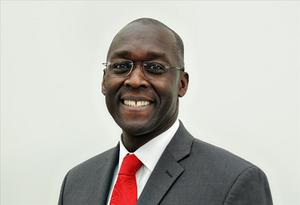


![medical-appointment-doctor-healthcare-clinic-health-hospital-medicine[7]](https://nl4worldbank.org/wp-content/uploads/2015/09/medical-appointment-doctor-healthcare-clinic-health-hospital-medicine7.jpg)

 Netherlands for the World Bank
You must be logged in to post a comment.