
Deadline: 29-Aug-2016 at 11:59:59 PM (Eastern Time – Washington D.C.)
Lighting Africa, a joint World Bank/IFC program aims at helping address the lighting  needs of consumers who rely predominantly on fuel-based kerosene lamps and candles by enabling them gain access to non-fossil fuel-based, low-cost, high-quality, safe, and reliable lighting products.
The Lighting Africa, Tanzania program has identified consumer education as a critical component in developing the market for off-grid lighting products in Tanzania. The consumer education initiatives will include an above-the-line campaign through a broad range of marketing and public awareness activities including TV, radio, print media, out-of-home, social media and mobile advertising etc designed to reach consumers and create behavioral change.
The consumer education initiatives will also include below-the-line consumer engagements such as consumer activations, stakeholder events, roadshows, direct marketing, and digital activation activities etc designed to reach consumers and create behavioral change.

 supplied with electricity through the creation of mini-grids. The projects objective is to develop and disseminate practical and timely information targeted for government officials, developers, investors and donors who wish to promote mini-grids, powered largely from renewable or hybrid generation sources, to scale-up electrification. The projects underlying goal is to provide information that will help to create connected or isolated mini-grids that are commercially sustainable.
 Surveys in access deficit countries to set a baseline to track progress towards Sustainable Energy for All (SE4All) goal and Sustainable Development Goal (SDG) number 7 on access to affordable, reliable and sustainable modern energy by 2030.
 components of the project by conducting in-depth research on consumer perceptions, preferences and willingness to pay for solar and other off-grid lighting/energy services in Myanmar. The results of this research will assist Lighting Myanmar companies in developing their market strategies and product offerings, and will also inform the design of a consumer education campaign to promote high-quality solar products
 Broad-Based Black Economic Empowerment Shareholder participation in the Renewable Energy Independent Power Producer Program (REIPPP) including by improving the accessibility and terms of financing for B-BBEE equity and increasing the ability of B-BBEE shareholders to realize the benefit of their investment. This should include an assessment of the enabling conditions for primary market participation and also the constraints affecting the sale of B-BBEE shareholdings in REIPP projects. The same analysis could also be applied to other (non-renewable) projects procured under the Independent Power Producers Programme of the Department of Energy to the extent the B-BBEE position is similar.
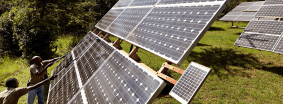 World Bank for the design of a World Bank-financed project component that aims to hybridize with PV and expand access to electricity in some of the existing micro-grids (centres isolés) operated by NIGELEC in throughout Niger.
 African countries to explain why independent power projects (IPPs) are crucial to help deliver electricity to the 600 million people without it in Sub-Saharan Africa. The report highlights the challenges policymakers face and factors that can lead to scaled-up and sustainable power sector investment.
 objectives, analyses, and design modifications needed to achieve climate resilience in hydropower projects. The document must reflect the input of the World Bank and external project steering committee, and reflect the results of multiple rounds of review and consensus-building among relevant internal and external components of the steering committee, with a special focus on stakeholder liasions with external stakeholders.
  Netherlands for the World Bank
You must be logged in to post a comment.