Rethinking water security in a water-insecure world

“Every time disaster strikes, you rush to bring relief. Why don’t you do more to prevent it?”

The words came from a teenage girl standing amid the devastation of the Odisha Super Cyclone in Eastern India in 1999. At the time, I was a member of the Indian Administrative Service, coordinating relief efforts 48 hours after the storm. Her question cut through the chaos and would shape my life’s work. Relief was necessary, but the real solution lies in building strong, adaptive water systems.

Continue reading

Financing Shortfalls Hinder Road Safety Progress in Low- and Middle-Income Countries

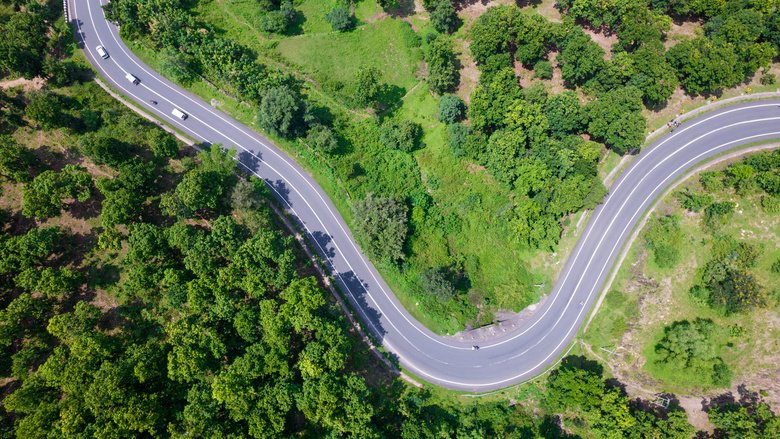
MARRAKECH, February 18, 2025 – Road safety financing faces a critical shortfall, hindering progress toward halving global road traffic fatalities and injuries by 2030. Each year, road crashes claim an estimated 1.19 million lives, leave countless others with permanent disabilities, and impose significant economic costs.

Continue reading

Why land is key to tackling climate change and infrastructure gaps

On the frontline of the climate crisis: Atoll nations and coastal communities with catastrophic threats to their homes and livelihoods also face serious legal implications

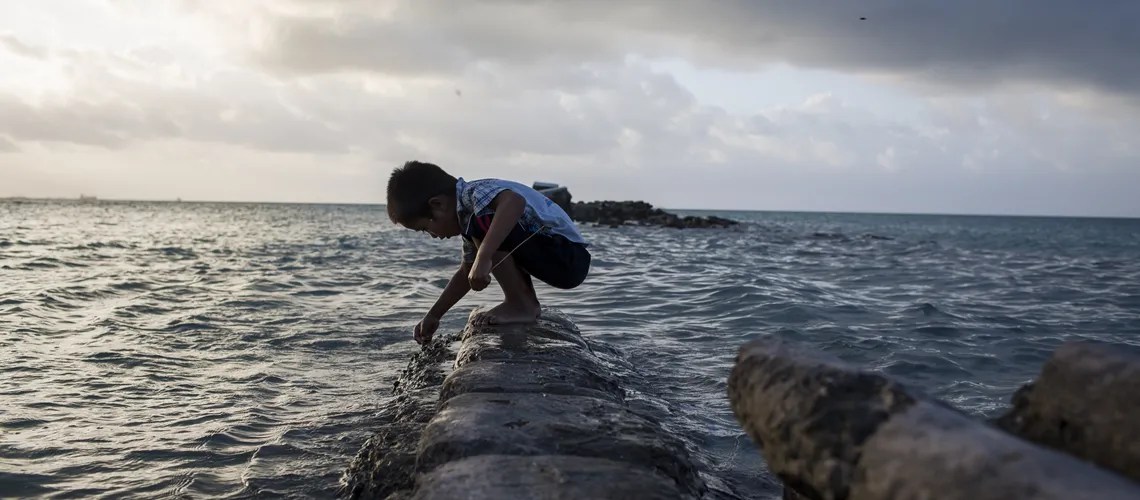
The Republic of the Marshall Islands is one of the world’s atoll nations particularly vulnerable20140607_conor_ashleigh_kiribati_5_blog.png to sea level rise, alongside Kiribati, Tuvalu, and The Maldives. While atoll islands are on the frontline, sea level rise impacts, such as increases in storm severity, decline in coastal ecosystem services and fishery resources, groundwater salinization, and heat waves, are a major threat to the survival of all low-lying coastal areas and cities, including Small Island Developing States (SIDS). 
Continue reading

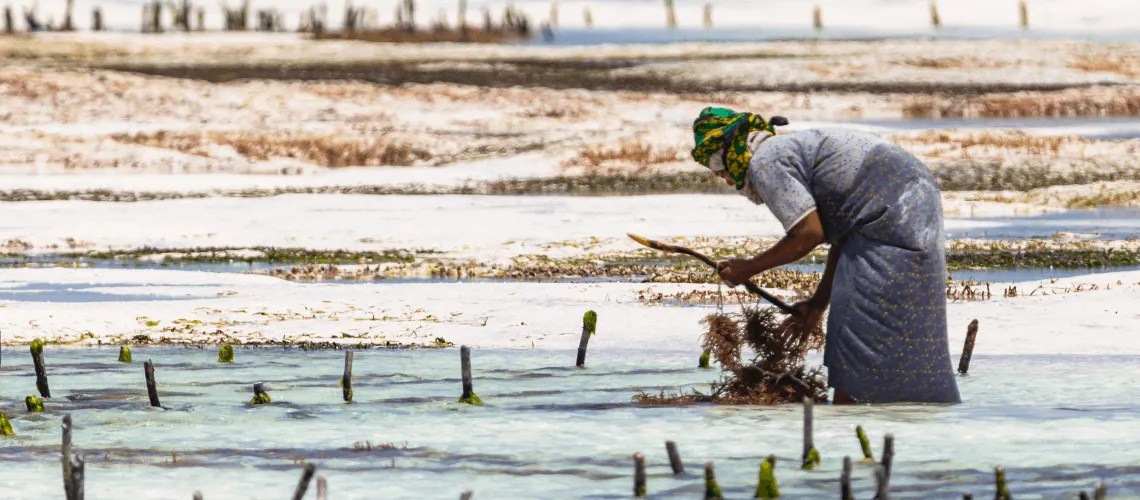
Unlocking the potential of the seaweed sector for sustainable growth

Unexploited frontiers in the natural world can restore environmental equilibrium whileseaweed_blog.png (1) spurring economic growth and providing opportunities for greater social equality. 
Take seaweed, for instance. 

For centuries, brown, green, and red algae growing naturally in salty coastal waters or strewn along shorelines has been gathered for consumption and sale –mostly by women – to support the nutritional and economic needs of rural families and communities. In more recent times, women have also dominated aquaculture production of seaweed.

Continue reading

Deliver the future: Catalyzing opportunities for women, children and adolescents

Drones Deliver Medicines to Distant Health Centers in Rural Meghalaya

HIGHLIGHTS

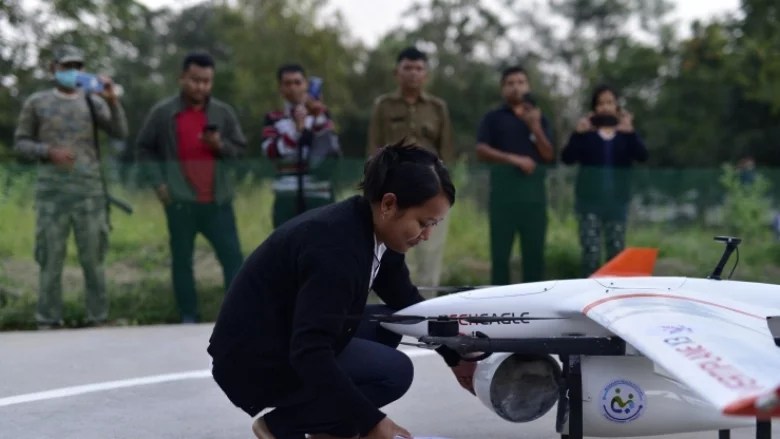
  • Supplying inexpensive quality healthcare to hard-to-reach areas has long been aGirl-Putting-Medicines-Onto-The-Drone challenge for Meghalaya. People living in rural areas find it difficult to access health services, especially during the rainy season between June and September.
  • A new drone service was introduced by the Government of Meghalaya under the World Bank financed Meghalaya Health Systems Development Project, essential injections and medicines are brought over once a week by a drone from Jengjal District Hospital over 100 kilometres away.
  • Since 2021, the Meghalya Health Systems Strengthening Project with World Bank support of $40 million has been helping the north-eastern state of Meghalaya strengthen its public health system where access to quality health services remains a challenge, particularly in rural areas. More than 3 million people across all 11 districts of the Meghalaya are expected to benefit from the project.

Continue reading

Water knows no borders: Transboundary cooperation is key to water security and avoiding conflict

As pressure mounts on the world’s freshwater resources, closer international cooperation is Albania_fishing_1140x500.jpgneeded to manage the world’s shared rivers, aquifers, and lakes. For decades, the World Bank Group has supported programs to foster cooperation over water as part of ensuring water security for all in support of sustainable development and job creation. Today, climate change and growing demand for scarce water resources are making proactive management of these transboundary waters both more complex and more urgent. 
Continue reading

The Interlocking Challenges of Climate Change and Poverty | The Development Podcast

FEATURING: Richard Damania, Chief Economist for Sustainable Development, World Climate-Explainer-Series-bannerBank / Roselyn Fosuah Adjei, Director of Climate Change for the Ghana Forestry Co

The World Bank Group is aligning its financing with the Paris Agreement goals on climate change. This is important, as it keeps us focused on containing the warming of the earth to well below 2 degrees, and preferably 1.5 degrees Celsius, while achieving sustainable development and ending poverty. What does this mean and what will it take to achieve it? We asked Jennifer Sara, Global Director of the World Bank’s Climate Change Group; and Stephane Guimbert, Director of Operations Policy & Country Services to explain.

Continue reading

World Bank Names 15 Leading CEOs and Chairs to Join the Private Sector Investment Lab

LONDON, July 10 2023 – The World Bank today announced the 15 Chief Executive Officers and Chairs who will make up the Private Sector Investment Lab. The founding members comprise a core group charged with developing solutions to address the barriers to private sector investment in emerging markets. The quality of their individual – and combined – expertise, leadership, and success in business and finance underscores the growing momentum, and level of commitment, for public and private collaboration to address global challenges and urgently scale development solutions.  

Continue reading