
With just over ten years until 2030, developing countries face important and complex  challenges around the Sustainable Development Goals (SDGs). Not least of which is how to finance the investments needed to achieve them.
Estimates suggest that developing countries face a $2.5 trillion annual financing gap to meet the SDGs. Other studies conclude that the challenge of meeting this annual financing gap is substantial in low-income countries, which would require additional annual spending of 15.5 percentage points of GDP in 2030, focused relatively evenly on infrastructure and education and health.

 biodiversity with Environment Ministers from the Group of Seven countries (Britain, Canada, France, Germany, Italy, Japan and the United States), along with delegations from countries such as Egypt, Fiji, India, Indonesia, Niger and Norway. Thanks to France’s leadership, the G7 meetings culminated in what is known as the
  “
“ football in a playground with his friends every afternoon in the AlTawahi District of Aden. Cristiano Ronaldo and Lionel Messi were his sporting heroes. He would run across the playground kicking the ball, imitating his heroes. Undoubtedly, it used to be the best part of his day. To play for Yemen’s national football team one day was his dream.
 productive environments to attract investments, increase economic efficiency, and create livable environments that prevent urban costs from rising with increased population densification. What are the central obstacles that prevent African cities and towns from becoming sustainable engines of economic growth and prosperity? Among the most critical factors that limit the growth and livability of urban areas are land markets, investments in public infrastructure and assets, and the institutions to enable both. To unleash the potential of African cities and towns for delivering services and employment in a livable and environmentally friendly environment, a sequenced approach is needed to reform institutions and policies and to target infrastructure investments. This book lays out three foundations that need fixing to guide cities and towns throughout Sub-Saharan Africa on their way to productivity and livability.
 as digital transaction accounts and payment services, which serve as the gateway to financial inclusion. Providers are now diversifying their products offerings to newer DFS, such as credit, insurance, and savings. A recent World Bank Group report examines DFS products geared toward longer-term savings.
  torrents of heavy rain and flooding major rivers. Records from a young monk who witnessed the floods describe a muddy wave destroying levees and sweeping through villages. As levees and rivers collapsed, floodwaters rose in Edo, Japan’s largest c


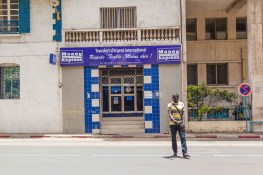 With this access, new products and services are being developed to facilitate convenient usage of these accounts. Taking this a step further, healthy financial inclusion incorporates customers’ ability to balance income and expenses, build and maintain reserves, and to manage and recover from financial shocks using a range of financial tools. The most useful financial services are those that provide customers with convenience, and support resilience through enhanced ability to weather shocks and pursue financial goals; effectively supporting the financial health of the user.
 Netherlands for the World Bank
You must be logged in to post a comment.