

Deadline: 31-Dec-2018 at 11:59:59 PM (Eastern Time – Washington D.C.)
To enhance connectivity and attract more public and private investments for
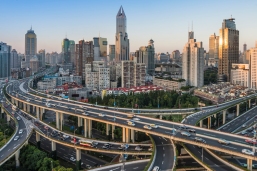 infrastructure in ASEAN, MPAC 2025 recommended the establishment of a rolling priority pipeline list of potential ASEAN infrastructure projects and sources of funds.
The Initial Pipeline consists of 16-20 projects submitted by the ASEAN Member States and selected and prioritized by the World Bank based on a screening and scoring process assessing key project factors such as strategic relevance, impact on regional connectivity, environmental and social impact, project feasibility, and the contracting agency’s implementation capacity.
In the next phase, the World Bank will undertake a financing options analysis of each of the projects in the Initial Pipeline to determine the best procurement option for the project i.e., to determine whether the project should be publicly funded, privately financed or funded/financed through a Public Private Partnership. Where a project already has a robust and recently conducted pre-feasibility or feasibility study, the information and data required to undertake such analysis should already be available. However, for those projects that do not have such a study available, it will be necessary to undertake the relevant studies and review.
 providing fresh and overwhelming evidence about the urgency of the climate situation. According to the agency’s
 Caribbean (LAC) region is “on track to achieve universal access by 2030,” according to the
  Democratic Republic of Ethiopia (FDRE) has considered among the pro poor sectors. With this understanding the World Bank is extending its support through different interventions. The World Bank Group is supporting the Federal Democratic Republic of Ethiopia to achieve its national targets set under GTP II through availing resources to different sectors and sub sectors.
 understanding and to increase the capacity of governments to take informed decisions on DRF based on sound financial analysis. The objective of the project will be achieved through four outcomes:
 sustainable investing in the capital markets. Today, the green bond model is being applied to bonds that are raising financing for all 17 Sustainable Development Goals.
 might be visiting, in a public toilet where you work, or on a comfortable water-flushed ‘loo’ at home, take a moment to think about those not as fortunate as yourself.
 recognizing water risks to their operations. In response, some have taken measures to ensure that all water is returned to its originating watershed while making sure that returned water is as clean or cleaner than it was before. But to keep the momentum going, we need to think about how we can encourage and motivate companies that will push them to collaborate more with governments, other companies, and civil society toward realizing the Sustainable Development Goals (SDGs). Equally as important, we need to bring forward those companies that unfortunately have yet to prioritize water.

You must be logged in to post a comment.