

Deadline: 09-Sep-2019 at 11:59:59 PM (Eastern Time – Washington D.C.)
The Government of Indonesia has prepared a national Disaster Risk Financing and Insurance (DRFI) strategy with the overarching mission to protect state finances and the population through sustainable and efficient risk financing mechanisms that meet disaster-related expenditures in a planned and timely manner, and that deliver well-targeted and transparent assistance following shocks.
 and more uncertain than previously thought and require urgent attention.
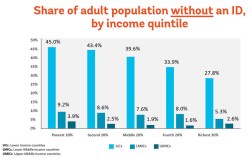 Peruvians, they left behind all of their possessions, including their IDs and other documents. Without an ID,

 Energy en Climate-Smart Energy solutions? Ga dan mee naar de Business Opportunities Fair op 29-31 oktober in Washington D.C.


You must be logged in to post a comment.