

Yemen’s high malnutrition rates have drawn global attention, highlighting the impact the
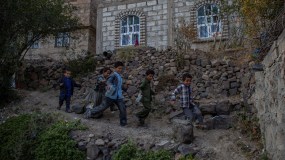
A group of Yemeni children playing in Al-Dhihla village, Anss District, Dhamar Governorate.
country’s five-and-half-year civil war has had on its population. About 20 million Yemenis—70% of the population—are facing hunger, a 13% increase from 2017.
Yemen is one of the most food insecure countries in the world. Long before the conflict began, child malnutrition was widespread. In 2013, 46.5% of children under five were stunted, or short and underweight for their age; 16.3% suffered from acute malnutrition.
 is happy; her new grandson was born just two days earlier. “A beautiful baby,” she said, “although I wish he weighed a little more.”
 to address the COVID-19 pandemic and other significant development challenges.
 : By Sam Fargher and
  maintain essential services and keep companies in business. It has also offered a glimpse of a brighter future, one in which gains in income and employment are driven by technologies such as artificial intelligence.
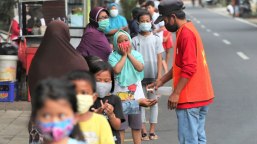 hard-won gains in health and education over the past decade, especially in the poorest countries, a new World Bank Group analysis finds. Investments in human capital—the knowledge, skills, and health that people accumulate over their lives—are key to unlocking a child’s potential and to improving economic growth in every country.
 Netherlands for the World Bank
You must be logged in to post a comment.