
The Team International Organizations (TIO) of RVO in the Hague helps Dutch companies  that are interested in projects financed by multilateral development banks and international organizations. TIO is focused solely on organizations in which the Netherlands is shareholder or member: ADB, AfDB, AIIB, EBRD, EU, EIB, IADB, UN, and World Bank Group.
TIO functions as the first point of contact for Dutch companies and advises on how the Banks work and how to be effective at doing business with these organizations. Companies can contact us with questions about procedures and priorities, and accompaniment in partner tracks. We also organize seminars and trade missions on current opportunities.
 Bank through the entire project cycle (works, technical assistance, etc), and organize and supervise all activities related to the project. If you know of any suitable candidate in your network, we’d much appreciate you forwarding the job posting to them.
 government to provide funds to help with the recovery. The Dutch government contributed 550 million euros of which EUR 470 million placed in a trust fund, managed by the World Bank Group, and EUR 80 million used for emergency aid and other activities needed to offer immediate relieve to the people of St. Maarten.
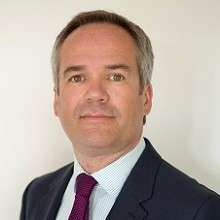 Bank Group. I am incredibly proud to represent the Netherlands and 12 other countries at this important global institution. I cannot think of a mission more important than ending extreme poverty, boosting shared prosperity and achieving the sustainable development goals. I have seen the World Bank achieve results all over the world, most recently when I worked in Mali.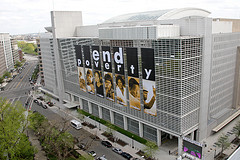

 providing fresh and overwhelming evidence about the urgency of the climate situation. According to the agency’s


You must be logged in to post a comment.