
How can we help the poorest countries deal with climate change? The challenge is huge. Globally, the last three years were the hottest on record. Emissions of carbon dioxide from fossil fuels and industry started rising again in 2017 after briefly leveling off. Many regions are experiencing more severe and frequent storms, floods, and drought. According to the latest Intergovernmental Panel on Climate Change report, the climate consequences of a 2°C warmer world are far greater than for a rise of 1.5°C, and we are not on track for either.
Recognizing the urgent need for more action, the World Bank Group announced new and ambitious targets for our climate work with developing countries at COP24, this month’s global climate change conference in Katowice, Poland.

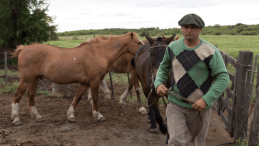 he introduced change in the management of his family’s land, he pulls out a picture of a giant dust storm that swept through the area of Patagones, about 1,000 km south of the city of Buenos Aires, in January 2010.
 positive results in the short term but somehow fail to be sustained over time. This is why the experience in Guatemala that we are about to describe is worth paying attention to. In short, it shows that behavioral insights can lead to lasting change.
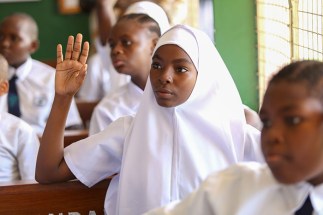 your school is preparing you for the work you may do in the future? What will classrooms and teachers of the future be like? Do you think there are better ways to learn? Do you have inspired and imaginative ideas to re-invent education? Are you between the ages of 16 and 19 and currently enrolled in high school or a secondary education institution?
 disease that causes inflammation and pain in the joints, eight years ago, she had a major revelation. She realized that what she was promoting as director of a primary health care facility in Chile was very different than what she actually needed as a patient.


You must be logged in to post a comment.