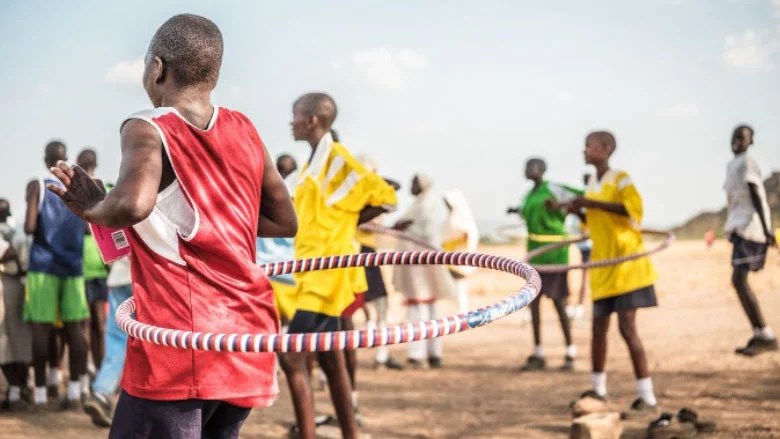
As Aid Shrinks, Jobs Become Central to Self-reliance for Host Communities and Refugees in Kenya

STORY HIGHLIGHTS

  • In Kenya, poverty and joblessness remain entrenched among host communities and refugees, especially in camps, while humanitarian assistance has declined.
  • Jobs are disappearing in labor markets shared by host communities and refugees: refugee employment has collapsed, while host communities face persistently weak job prospects.
  • The Shirika Plan is a historic opportunity, but self-reliance will remain out of reach without jobs. Success hinges on enabling work through enhanced mobility, private investment, and targeted, shock responsive support.
Continue reading

Toward a path to sustainable refugee return

In public debates, return is often regarded as the most natural solution for refugees: they are “out of place” and return seems the most sensible way to restore the natural order of things. But is it that simple?

Global Refugee Forum 2023

Continue reading

Refugee crisis: What the private sector can do

There are about 68.5 million forcibly displaced people in the world today, of which moreimg_3069 than 25 million are considered refugees. Almost 85 percent of them are hosted by low or middle countries with limited resources such as Jordan, Ethiopia, Uganda, Turkey, and Bangladesh. These countries face enormous challenges in meeting the needs of refugees while continuing to grow and develop themselves.

Continue reading

Envisioning the global financial system in a decade

World Bank Group Blogrefugees-gg.jpg

4 unprecedented disruptions to the global financial system

Climate change, migration, correspondent banking and cybercrime are putting unprecedented and unforeseen pressures on global financial markets.

They aren’t just disrupting the global financial system, but also affect how we approach international development work.

Continue reading