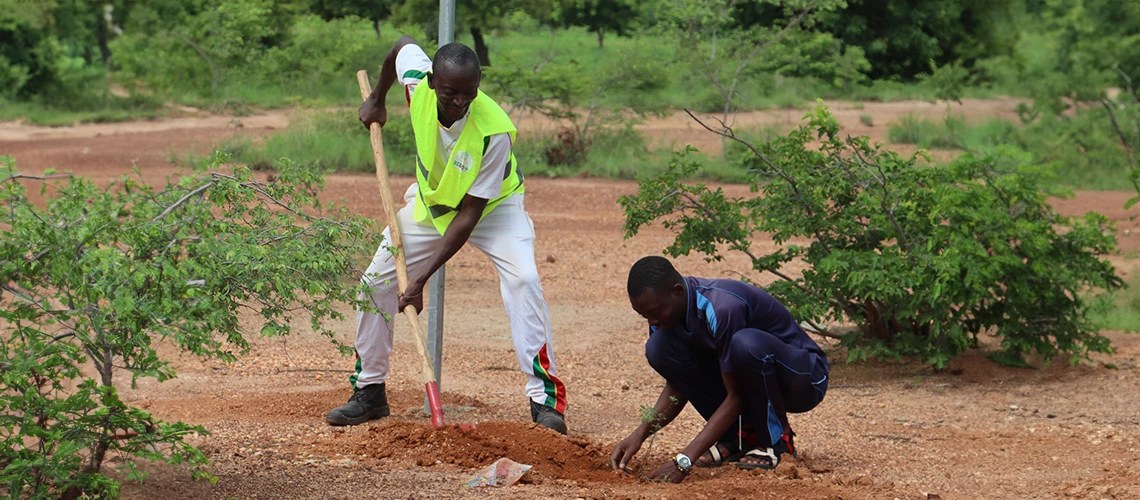
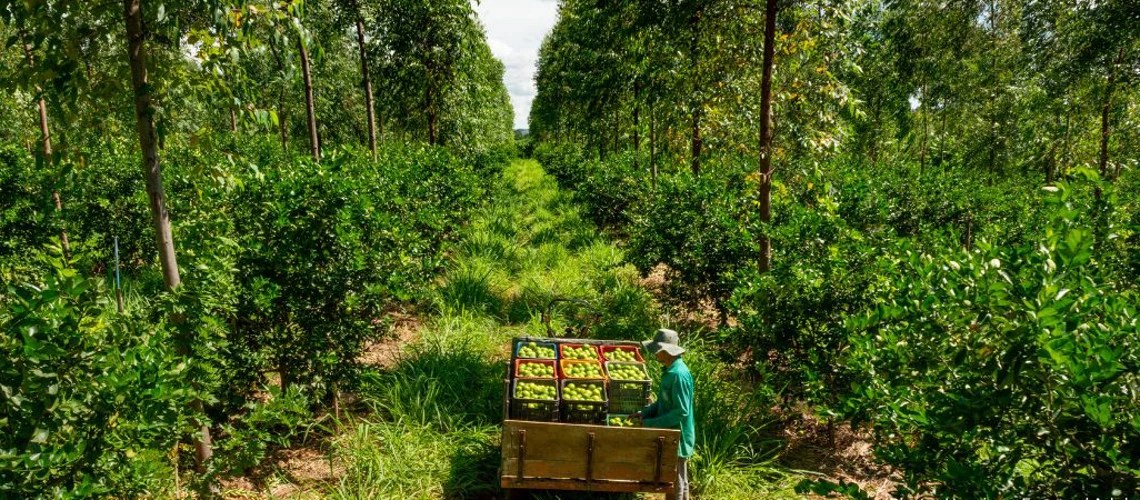
Dryland forests in the Sahel are remarkable ecosystems that embody resilience and adaptability. Stretching across the arid landscape, iconic tree species such as Acacia, Baobab, and Shea trees stand as symbols of endurance, providing vital resources like food, medicine, and shade for both communities and livestock. These tenacious forests are not only lifelines for biodiversity but also cornerstones of local livelihoods.
Continue readingTag Archives: RVO
4 key facts about forests and food: our experts weigh in
Forests and food are interconnected. As the world accelerates towards a food transition that delivers better, more sustainable outcomes for people and the planet, we must recognize that forests, woodlands, and landscapes are critical to this transition, but also to wider sustainable development goals. Investments in forests are investments in local communities, national economies, and our planet. We spoke to two of our forestry and agriculture experts on the topic.
Continue readingEmpowering Women Tech Entrepreneurs in Georgia Unleashes Innovation
STORY HIGHLIGHTS
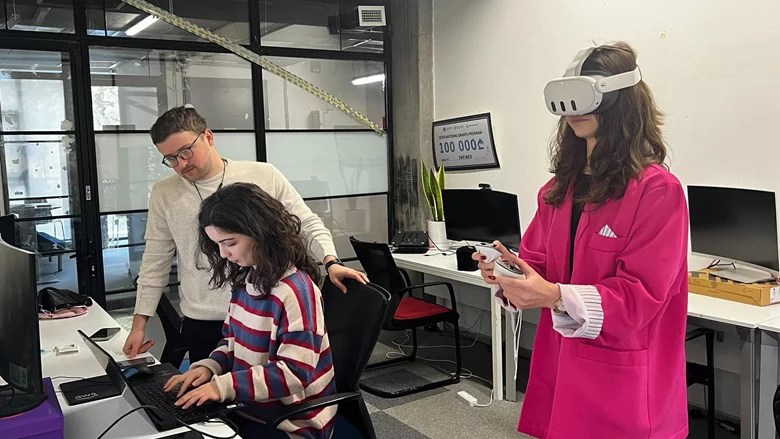
- Women in Georgia’s technology sector face the same market challenges as men in launching startups but must also contend with preconceived notions of “acceptable” women’s work, and these biases can impact access to funding, mentorship, and networking.
- The World Bank has helped the country address this gap by providing training and mentorship opportunities to thousands of entrepreneurs, over half of them women.
- GENIE Program graduates—like Nato Toronjadze, founder and CEO of Bizon, and Ana Robakidze, founder and CEO of Theneo—despite the challenges, have turned their innovative ideas into successful ventures that are creating jobs and boosting growth.
Continue reading
Securing water in an uncertain world: The power of multi-stakeholder action
The most pressing global risks over the next decade are environmental—and all closely linked to water. Extreme weather, biodiversity loss, critical changes to Earth’s systems, and natural resource shortages top the list of concerns, according to the World Economic Forum Global Risk Report 2025. These risks underscore the need for long-term strategies to safeguard ecosystems, secure resources, and build resilience.
Yet, these risks do not exist in isolation. Misinformation and disinformation rank among the most pressing short-term risks, eroding trust in governance and complicating efforts to address shared crises. Water management is no exception—securing water is not just about scarcity, pollution, or infrastructure, but about governance and cooperation. The challenge lies not only in ensuring water access but in aligning efforts across users, providers, and regulators, to manage it effectively.
Continue readingConsultations on the World Bank’s New Country Engagement Approach
As part of its Evolution Process, the World Bank Group is reviewing its country engagement approach to align it with its new vision and mission while becoming more efficient, outcome-focused, and more systematic in tapping into private sector solutions wherever possible.
To inform the new country engagement approach, we will hold formal consultations with external stakeholders. Online consultations opened on January 16, 2025, and consultation meetings will be held in all seven operational regions of the WBG starting February. The consultations will close on March 21, 2025. The meetings will follow a hybrid format, combining in-person and virtual participation. Rethinking the Approach to WBG Country Engagement will provide the basis for consultations. To see the consultations outreach plan, click here.
Note: The approach paper is now available in Arabic, Chinese, French, Portuguese, Russian, and Spanish.
ONLINE CONSULTATIONS
MENA is open to work: Tackling the jobs deficit
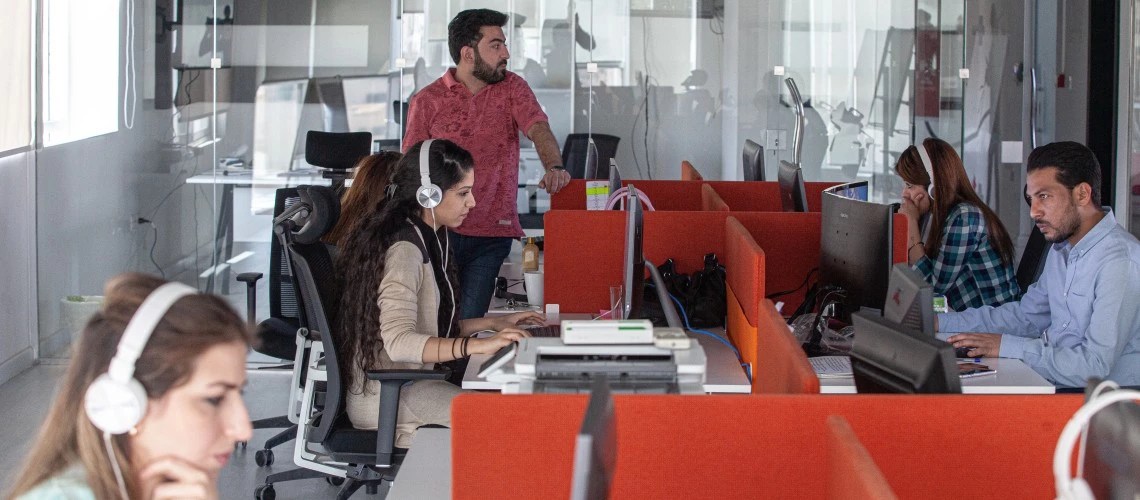
The Middle East and North Africa (MENA) has a large reservoir of untapped human resources, with the world’s highest unemployment rate among youth and the lowest participation of females in the labor force. Desirable jobs, defined as high-paying or formal jobs, are few, and private employment is overwhelmingly of low added value.
Continue readingUnleashing opportunities for women in Africa with access to energy
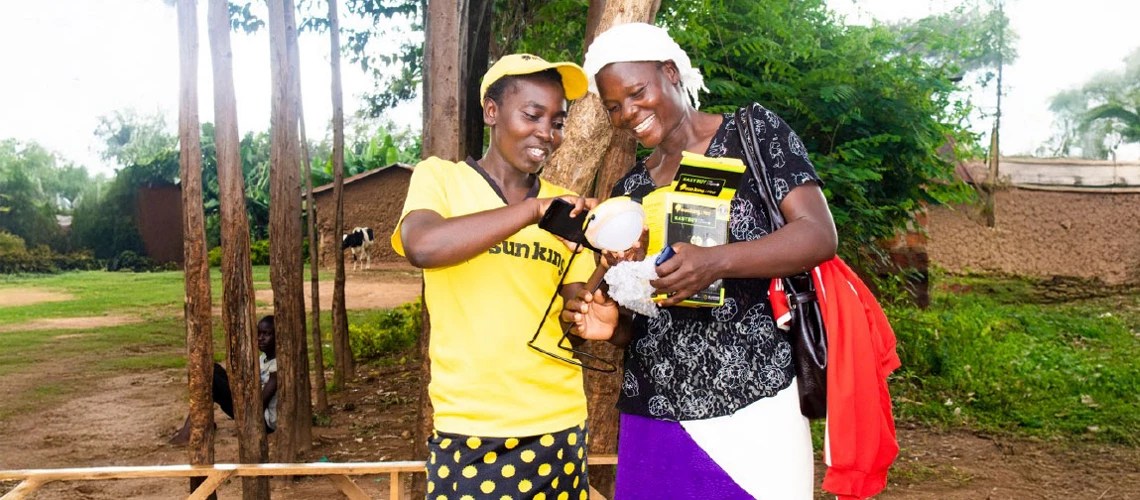
The extraordinary lack of energy in Africa–affecting about 300 million women-has profound effects on women’s economic opportunities. Women are already disproportionately affected by energy poverty, especially in rural areas. On average, women and girls spend 50 hours a week just fetching firewood, cooking, and collecting water. That’s 50 hours spent on subsistence, not on growing a business, pursuing education, or improving their health. In fact, 900 million African women and girls who lack access to clean cooking technology suffer from smoke inhalation-related diseases. That’s a huge barrier to their health, education, and economic potential.
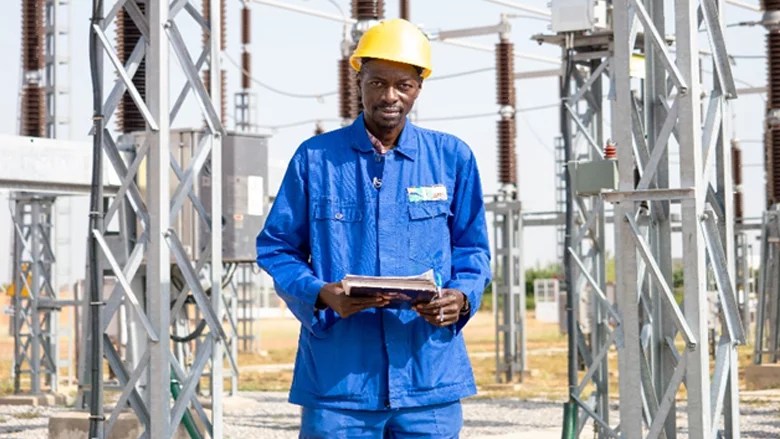
Continue readingPowering Africa: The Transformational Impact of Regional Energy Projects in West Africa
Results Highlights
- The construction of a 1,303 km 225 Kilovolt (kV) transmission line connecting the electricity grids of Côte d’Ivoire, Guinea, Liberia, and Sierra Leone (CLSG) has facilitated cross-border electricity trade and delivered affordable, renewable, and abundant electricity to approximately 2.8 million people across Guinea, Liberia, and Sierra Leone. This initiative has also contributed to a reduction in greenhouse gas emissions, amounting to about 13.8 million tons of CO2.
- A newly built 228 km 225 kV transmission line connecting Kayes in Mali and Tambacounda in Senegal has significantly improved electricity supply and access for 404,000 people in Mali, Mauritania, and Senegal.
- The Gambia River Development Organization (OMVG) Interconnection has helped improve access to clean, lower-cost, and more reliable electricity service for more than 2.5 million households and businesses, equivalent to 15 million beneficiaries in Guinea, Guinea-Bissau, Senegal and The Gambia.
- The construction of a 913 km 330/225 kV transmission line connecting Benin, Burkina Faso, Niger, and Nigeria under the North Core Interconnection project is expected to successfully deliver 600 MW of affordable, renewable, and abundant electricity to Niger, Burkina Faso, Benin, and Togo, and provide rural electrification to approximately 1.2 million people across Niger and Burkina Faso.
A strong foundation: Ensuring Türkiye’s resilient recovery and reconstruction
Two years ago, Türkiye was shaken by a series of devastating earthquakes, which claimed over 50,000 lives and caused direct damages exceeding $34 billion and associated reconstruction costs estimated at $ 81.5 billion. Entire neighborhoods were reduced to rubble, with thousands of homes, schools, hospitals, and transportation networks destroyed. More than 1.5 million people were displaced, and millions face an uncertain future in the wake of the immense loss and disruption.
Continue readingBringing Light and Life to Rural Health Centers in Madagascar
A rural health center in Mateliona Betafo, Madagascar, has transformed healthcare delivery with solar-powered electricity through the World Bank-supported LEAD Project. For nearly seven years, midwives like Lovatiana Rasoarinjanahary worked under unsafe, dim conditions, relying on candles or dying phone batteries. Since June 2024, the center – one of 500 electrified by LEAD – now provides safe, well-lit care, benefiting vulnerable populations. The project improves lighting, refrigeration, and sterilization, enhancing maternal and child healthcare while supporting Madagascar’s goal to double electricity access through cost-effective, off-grid solutions. Lives and communities are brighter and safer with this innovation.
Continue reading


You must be logged in to post a comment.