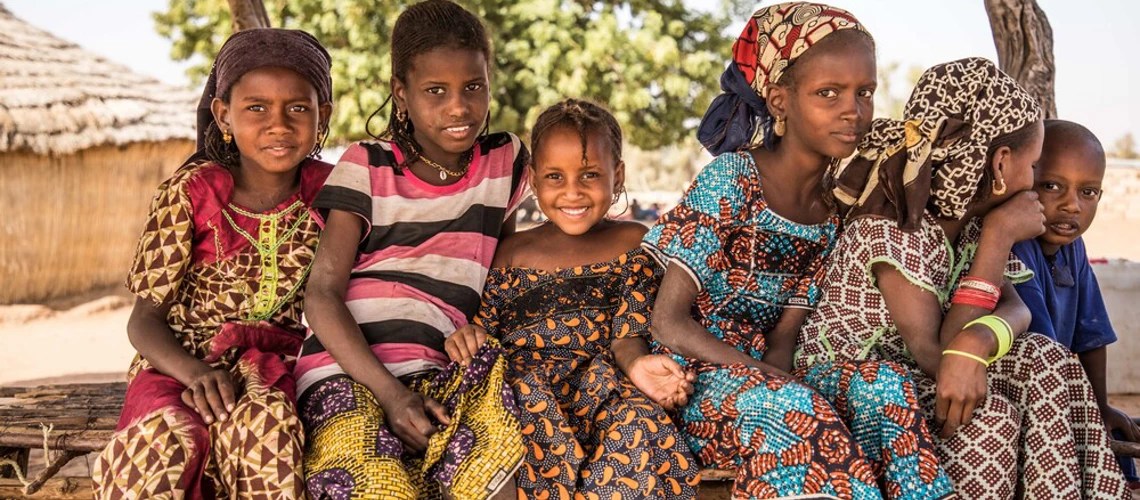
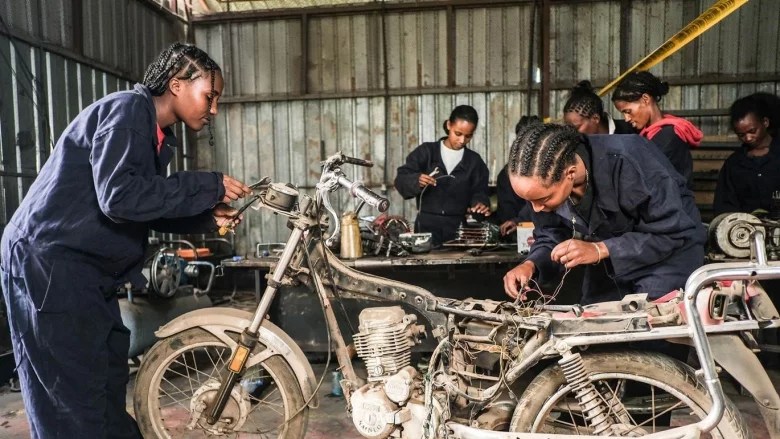
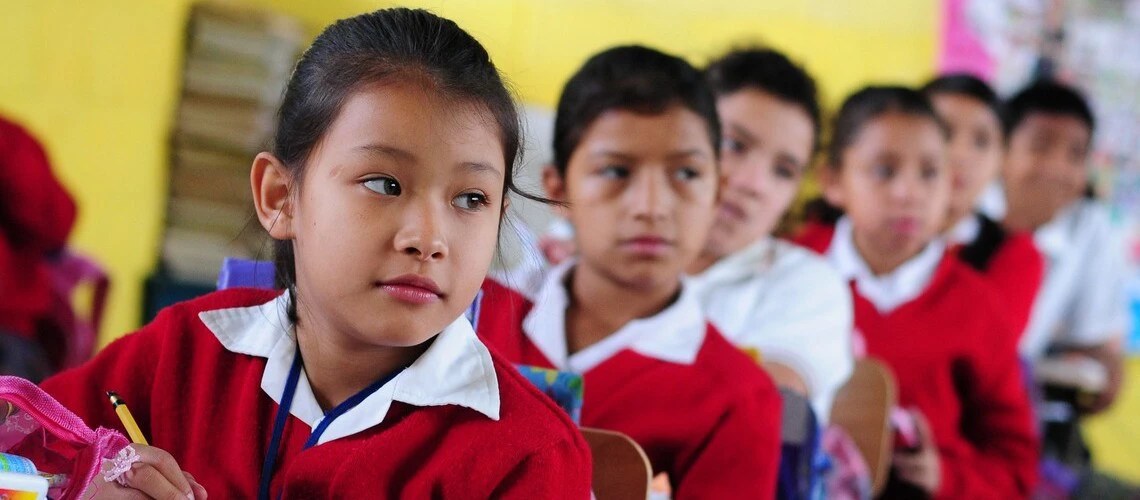
Jobs are the main driver of poverty reduction. They help build more resilient and self-sufficient societies, reduce the need for humanitarian aid, and address the root causes of unrest and migration. Jobs were the key to fighting poverty in Latin America during its last period of sustained poverty reduction (2009-2014): strong employment creation and wage growth drove two-thirds of the decrease in poverty rates. After this prosperous timeframe, both poverty and labor market conditions have remained largely stagnant across the region (COVID-19 aside).
Continue readingTag Archives: RVO
Seizing the Moment: Four Priorities to Unlock Job Creation in South Africa
Originally published in South Africa’s Sunday Times
Governments do not create many jobs—globally, they employ about 10%, and in South Africa only 6-8%, of the workforce. Instead, governments’ role is to create an environment where the private sector can drive employment. However, it is fair to say that South Africa has struggled to create such an environment over the past 15 years, with limited economic growth and job opportunities for its expanding labor force. With unemployment over 30% (excluding discouraged work seekers) and two-thirds of young workers jobless, improving conditions for private sector growth is more urgent than ever. These challenges have kept poverty and inequality entrenched, with nearly 39 million people surviving on less than R127 a day, equivalent to the $6.85 poverty line for upper-middle income countries.
Continue readingFurther strengthening how we measure global poverty
For 35 years, the World Bank Group has measured global poverty to track progress toward eradicating what is considered the most severe deprivation of basic human needs—extreme poverty. This goal is at the very heart of our organization’s mission.
Continue readingPoised to thrive: Empowering women with skills and jobs in South Asia
Sangay Choden, in her own words, displayed much Tha Dhantse—a Bhutanese concept of having the courage to do the right thing with integrity and loyalty. Choden was the first female science graduate in her family and now handles complex power projects with ease as the manager with the Bhutan Power Corporation Limited. She has climbed mountains, both literally and metaphorically, she says.
Continue readingHow the World Bank is tackling the growing global waste crisis
Every year, the world produces over two billion tonnes of municipal waste, a figure expected to rise by 73 percent to nearly four billion tonnes by 2050. Managing this surge will be a major investment and policy challenge for cities in low- and middle-income countries.
Continue readingImproving Transport Connectivity for Food Security in Africa
Download Now
Despite increasing food production over the past three decades, 58% of Africans remain food insecure. Transport is an often-overlooked contributor to this challenge. Poor transport connectivity, failures at critical ports and border crossings, and high trade costs create long food supply chains that fail to reliably get staple products to people.
Continue readingA new approach to debt-for-development swaps
The idea behind debt-for-development swaps is straightforward: A country exchanges its expensive debt for cheaper debt, often supported by a credit enhancement like a guarantee, and then redirects the savings into development spending.
Continue readingHow Electricity is Powering Value Addition in Tanzania’s Villages
STORY HIGHLIGHTS
- Where villagers once struggled with basic tools and meager earnings, they now use modern electric machinery to create valuable finished products.
- From increased rice production and reduced transportation costs, to booming sunflower oil businesses, access to reliable power is boosting local economies.
- Tanzania is bringing its vision of universal electrification to reality with support from a $550 million International Development Association investment.
The hidden jobs engine: unleashing the potential of agriculture in sub-Saharan Africa
A common misunderstanding persists about job creation in Africa. Many envision cities as the epicenters of economic opportunity. Yet for millions in Sub-Saharan Africa, the path to decent work still winds through agriculture. With youth unemployment rising and cities unable to absorb the growing labor force, agriculture—still the region’s largest employer—must be transformed into a more productive, appealing, and innovative sector.
Continue readingLet There be Light: In Tanzania, More Electricity Brings Better Education and Health
STORY HIGHLIGHTS
- The World Bank is supporting the expansion of energy access through initiatives like the Tanzania Rural Electrification Expansion Program.
- Rural electrification is helping bridge the gap between urban and rural access to essential services.
- Lighting for evening study and regular access to academic assessment are improving student performance.


You must be logged in to post a comment.